
 Schedule a Consultation!
There are several types of hard-surface commercial flooring to choose from, each with its own advantages and disadvantages. Here is a summary of some of the most popular options for flooring:
Ceramic Tile
-
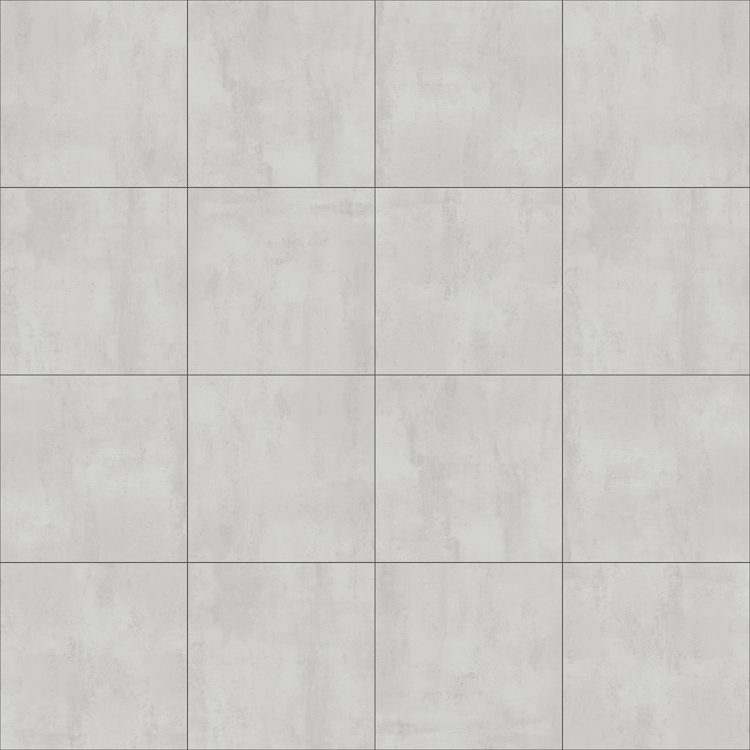
Ceramic tile is a durable and long-lasting option that is resistant to stains and moisture. It is easy to clean and maintain, and it can withstand heavy foot traffic. However, it can be cold and hard underfoot, and it can be expensive to install.
Linoleum
-
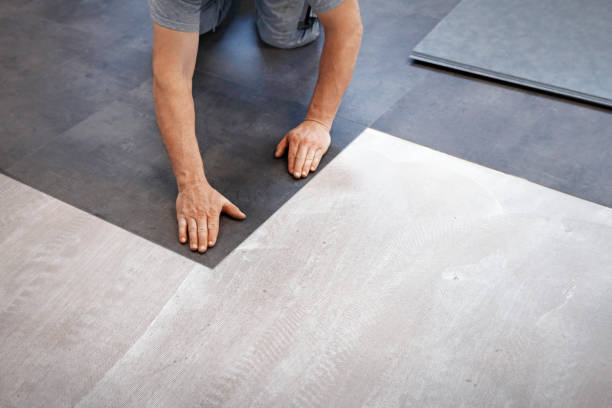
Linoleum is a natural, biodegradable flooring material made from linseed oil, cork dust, and wood flour. It is soft and warm underfoot, and it is relatively inexpensive to install. However, it is not as durable as some other options and it can be prone to fading and discoloration over time.
Vinyl
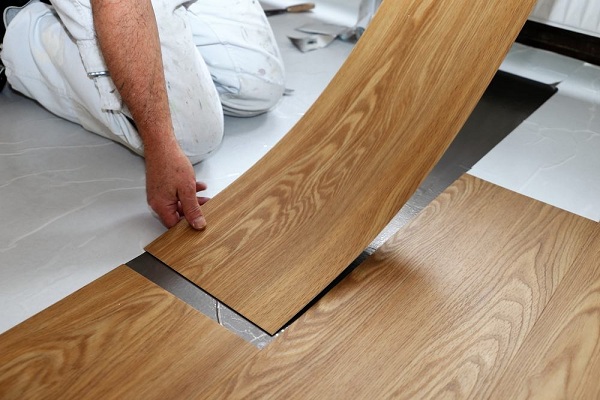
- Vinyl flooring is a synthetic material that is available in a wide range of styles and colors. It is easy to install, and it is relatively inexpensive compared to other options. It is also moisture-resistant and easy to clean. However, it is not as durable as some other options and it may require frequent replacement.
Rubber

- Rubber flooring is a durable and slip-resistant option that is ideal for areas with heavy foot traffic. It is soft and cushiony underfoot, which makes it comfortable to stand on for long periods of time. It is also resistant to stains and moisture. However, it can be expensive to install and it may not be as aesthetically pleasing as some other options.
Concrete
-
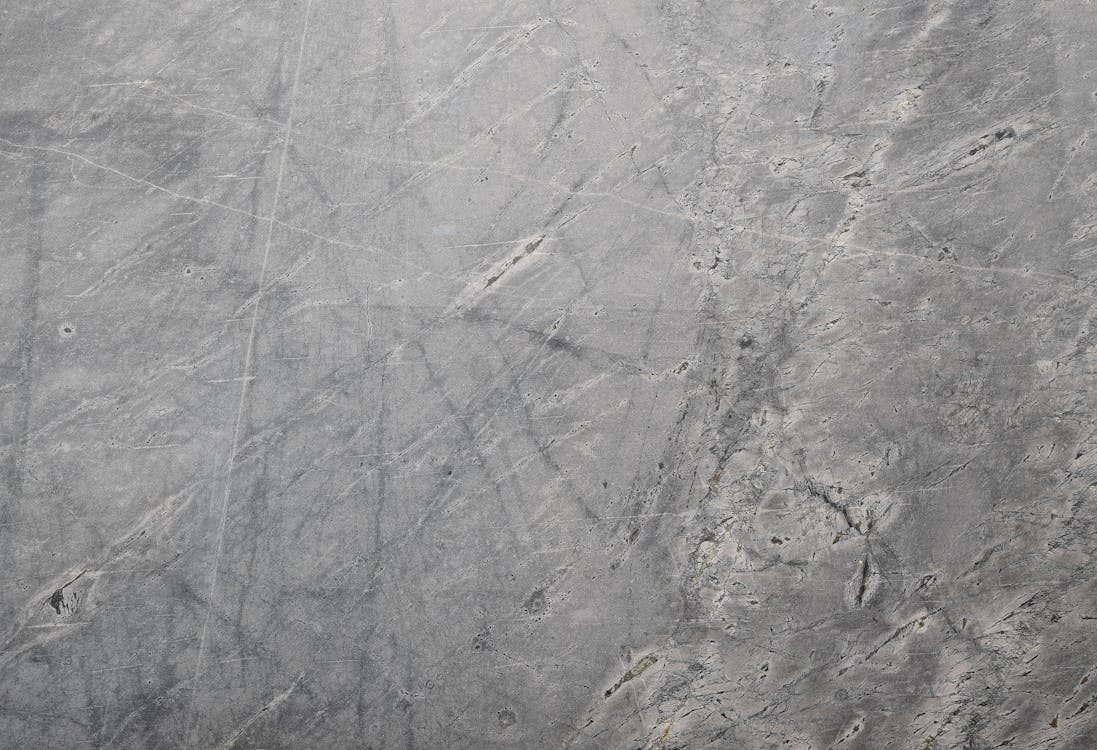
Concrete is a durable and long-lasting flooring option that is resistant to moisture and stains. It is relatively inexpensive to install, and it is easy to maintain. However, it can be cold and hard underfoot, and it may require the use of area rugs or other types of floor covering to make it more comfortable.
Wood
-
Wood flooring is a classic and elegant option that adds warmth and character to a space. It is durable and easy to clean, and it can be refinished to extend its life. However, it is prone to scratching and fading, and it can be expensive to install and maintain.
In conclusion, the type of hard-surface commercial flooring that is best for your business will depend on your needs and budget. Consider factors such as durability, maintenance requirements, cost, and aesthetics when making your decision.
Frequently Asked Questions About Commercial Flooring Types
What are the most common types of commercial flooring?
Common types of commercial flooring include ceramic tile, vinyl, linoleum, rubber, concrete, and wood. Each option has its own advantages and disadvantages depending on the building type, traffic level, maintenance requirements, moisture exposure, budget, and design goals.
What is the best flooring for commercial buildings?
The best commercial flooring depends on how the space is used. High-traffic areas often need durable, low-maintenance surfaces such as tile, concrete, rubber, or commercial-grade vinyl. Restrooms, locker rooms, kitchens, healthcare spaces, and education facilities may require flooring that is moisture-resistant, cleanable, slip-resistant, and able to withstand frequent sanitation.
Is ceramic tile good for commercial floors?
Yes. Ceramic tile is a durable and long-lasting flooring option that can perform well in commercial environments. It is resistant to moisture, stains, and heavy foot traffic. However, tile floors also depend heavily on the condition of the grout. If grout becomes stained, cracked, porous, or deteriorated, the floor can become harder to clean and maintain.
What are the disadvantages of ceramic tile flooring?
Ceramic tile can be hard and cold underfoot, and installation can be more expensive than some other flooring options. Grout lines can also become a maintenance issue over time if they absorb moisture, soils, bacteria, cleaning chemicals, or odors. In many cases, tile and grout restoration can extend the life of the existing floor without full replacement.
Is vinyl flooring a good option for commercial spaces?
Vinyl flooring is popular in commercial spaces because it is relatively affordable, available in many styles, moisture-resistant, and easy to clean. It can be a practical option for many facilities, but it may not last as long as harder surface materials in demanding environments. Heavy traffic, rolling loads, moisture intrusion, and wear can lead to more frequent replacement.
What are the pros and cons of linoleum flooring?
Linoleum is a natural flooring material that can be softer and warmer underfoot than tile or concrete. It is often valued for being biodegradable and relatively affordable. However, linoleum may be more prone to fading, discoloration, and wear compared to some other commercial flooring options, especially in high-traffic or heavily maintained areas.
Is rubber flooring good for commercial facilities?
Rubber flooring is a strong option for areas where comfort, impact absorption, and slip resistance are important. It is commonly used in gyms, fitness centers, schools, healthcare spaces, and high-traffic areas. The disadvantages are that rubber flooring can be more expensive to install and may not provide the same appearance as tile, stone, wood, or polished concrete.
Is concrete flooring good for commercial buildings?
Concrete is durable, long-lasting, and relatively easy to maintain when properly finished or protected. It can be a good option for industrial spaces, warehouses, retail areas, and modern commercial interiors. However, concrete can be hard and cold underfoot, and unprotected concrete may stain, dust, absorb contaminants, or require coatings or sealers to improve performance.
Is wood flooring practical for commercial spaces?
Wood flooring can provide a warm, high-end appearance and may be appropriate for offices, hospitality spaces, retail environments, and certain public areas. However, wood can scratch, fade, dent, and react to moisture. It may also require refinishing and more specialized maintenance than tile, concrete, or rubber flooring.
What commercial flooring is easiest to maintain?
The easiest flooring to maintain is usually a surface that is durable, non-porous, moisture-resistant, and compatible with the facility’s cleaning program. Porcelain or ceramic tile, sealed concrete, rubber, and certain resilient flooring products can all be easy to maintain when properly installed and protected. For tile floors, maintaining or restoring the grout is critical to long-term cleanability.
Which commercial flooring lasts the longest?
Tile, terrazzo, concrete, and properly maintained wood can last for decades in the right environment. However, the actual lifespan depends on installation quality, traffic levels, moisture exposure, cleaning practices, and whether the surface is restored or protected before deterioration becomes severe.
How do I choose the right flooring for a commercial facility?
Choosing the right commercial flooring requires looking at traffic level, safety needs, moisture exposure, sanitation requirements, appearance, installation cost, downtime, maintenance cost, and expected service life. A floor that is inexpensive upfront may cost more over time if it requires frequent replacement, intensive cleaning, or recurring repairs.
Should commercial flooring be replaced or restored?
Commercial flooring does not always need to be replaced when it looks worn or outdated. If the existing surface is structurally sound, restoration may be a faster and more cost-effective option. Tile, grout, concrete, partitions, showers, restrooms, and other hard surfaces can often be restored, recolored, sealed, or protected instead of demolished and replaced.
How can SaniGLAZE help with commercial flooring?
SaniGLAZE helps commercial facilities restore, protect, and extend the life of existing hard surfaces. Instead of removing and replacing structurally sound tile, grout, concrete, and other surfaces, SaniGLAZE service providers can improve appearance, cleanability, sanitation, and long-term performance with professional restoration and coating systems.
What commercial spaces benefit most from floor restoration?
Floor restoration is especially valuable in schools, universities, healthcare facilities, restrooms, locker rooms, showers, hotels, commercial kitchens, government buildings, fitness centers, and other high-traffic facilities. These spaces often need durable, cleanable surfaces with minimal downtime and a lower total cost than full replacement.
Why is long-term maintenance important when selecting commercial flooring?
Long-term maintenance determines how a floor looks, performs, and costs over time. A floor that is easy to clean, resistant to moisture, and compatible with restoration or protective treatments can often provide better lifecycle value than a floor that requires frequent replacement. Factoring in maintenance from the beginning helps facilities make better flooring decisions.