
 Schedule a Consultation!
When it comes to tile installation, one of the most important decisions you'll make is selecting the right grout color. Not only does grout play a critical role in keeping your tiles in place and protecting them from moisture, but it also plays a big role in the overall aesthetic of your space. A grout color that compliments your tile and enhances the overall design of your space can make all the difference. Here are some tips on how to choose the right grout color for your tile installation.

First and foremost, consider the overall design aesthetic of your space. If you're going for a sleek, modern look, a crisp, white grout might be a perfect choice. On the other hand, if you're going for a more traditional or rustic look, a darker grout color might be more appropriate. Think about the style of your tile, too. If your tile is a neutral color, a grout color that is similar in tone will make the tile look bigger and flow seamlessly. If the tile is more colorful or patterned, a contrasting grout color can create a bold, dramatic effect that draws attention to the tile.
Another important factor to consider is the function of the room. In high-traffic areas, such as the kitchen or bathroom, grout that is resistant to stains and easy to clean is crucial. Darker grout colors tend to show less dirt, so they can be a good option for these areas. However, if you're installing tile in a low-traffic area such as a bedroom, you may have more flexibility in your grout color choice.
Next, think about the natural light in the room. A room with a lot of natural light will typically require a grout color that is not too dark so that the tile installation doesn't look too heavy. In a room with little natural light, a darker grout color can help create visual depth and interest.
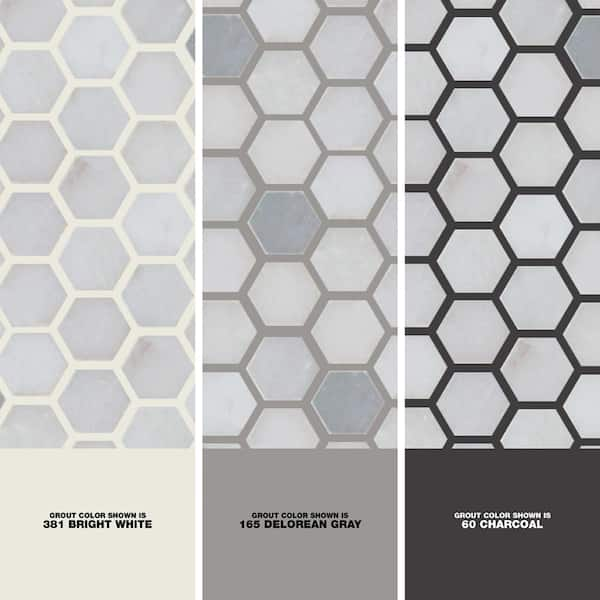
Consider the size of the tile and the width of the grout lines, too. A small tile with thin grout lines will typically require a grout color that is similar in color to the tile to minimize the visibility of the grout. With larger tiles and wider grout lines, you can afford to be more adventurous with your grout color choices.
It's also a good idea to take a sample of your tile and grout color to the room to see how it looks in the space before making a final decision. Lighting can have a big impact on how colors appear, and you'll want to make sure the grout color you choose looks just as great in the room as it did in the store or online.
Lastly, it's important to consider the longevity of the grout color you choose. If you think you may want to change the tile or the décor in the future, opt for a neutral grout color that will match well with a variety of tile and design styles.
In conclusion, choosing the right grout color is an important decision that can have a big impact on the overall aesthetic and function of your space. By considering the design aesthetic, function of the room, natural light, tile size, and grout lines, and taking a sample to the room before making a final decision, you'll be able to choose a grout color that is perfect for your tile installation.
Frequently Asked Questions About Choosing the Right Grout Color for Tile
Why does grout color matter?
Grout color matters because it affects the overall appearance, style, and visual flow of a tile installation. The right grout color can make tile look cleaner, larger, more seamless, more dramatic, or more decorative depending on the design goal.
Should grout match the tile or contrast with it?
It depends on the look you want. Matching grout creates a more seamless appearance and helps tile blend together. Contrasting grout makes each tile stand out and can create a bold, patterned, or more dramatic design effect.
What grout color is best for a modern design?
For a sleek, modern design, lighter grout colors such as white, light gray, or neutral tones often work well. These colors can create a clean, simple, and streamlined appearance, especially with neutral or minimalist tile.
What grout color works best for traditional or rustic spaces?
Darker grout colors can work well in traditional, rustic, industrial, or high-character spaces. Darker grout can add depth, contrast, and definition while also helping hide everyday dirt in high-use areas.
Is light grout harder to maintain?
Light grout can show dirt, staining, and discoloration more quickly than darker grout, especially in restrooms, kitchens, locker rooms, corridors, and other high-traffic commercial spaces. Light grout can still be used successfully, but it usually requires stronger maintenance practices and protective sealing.
Is dark grout better for high-traffic areas?
Dark grout can be a practical choice for high-traffic areas because it tends to show less dirt and surface discoloration. However, performance depends on the grout type, installation quality, cleaning routine, moisture exposure, and whether the grout is properly protected.
How does room function affect grout color selection?
Room function matters because different areas experience different levels of traffic, moisture, cleaning, and staining. Kitchens, bathrooms, restrooms, locker rooms, showers, and commercial spaces usually need grout colors and protection systems that are easier to clean and maintain.
How does natural light affect grout color?
Natural light can change how grout color appears. In bright rooms, very dark grout may look heavier or more dramatic. In rooms with less natural light, darker grout can create depth and contrast, while lighter grout can help the space feel brighter.
How does tile size affect grout color choice?
Smaller tiles usually have more grout lines, so grout color becomes more visually important. Matching grout can help small tile installations look smoother and less busy. Larger tiles have fewer grout lines, so there may be more flexibility to use contrast or accent colors.
How does grout-line width affect the final look?
Wider grout lines make the grout color more noticeable, so the color choice has a stronger visual impact. Narrow grout lines are less dominant, especially when the grout color is close to the tile color.
Should I test grout samples before choosing a color?
Yes. Grout color should be tested with the actual tile in the actual space whenever possible. Lighting, surrounding finishes, wall color, flooring, fixtures, and natural light can all change how grout appears after installation.
What grout color is best for patterned tile?
For patterned or colorful tile, a contrasting grout color can highlight the pattern and create a bold design. A matching or neutral grout color can soften the look and keep the focus on the tile itself instead of the grout lines.
What grout color makes tile look bigger?
A grout color that closely matches the tile can make the installation look larger and more seamless. This works especially well with neutral tile, large-format tile, and spaces where the goal is a clean, continuous appearance.
What grout color is best for commercial restrooms?
Commercial restrooms often benefit from grout colors that balance appearance and maintenance. Medium gray, charcoal, beige, or other neutral tones can help reduce the appearance of daily soil while still looking professional and clean.
Can grout color be changed after installation?
Yes. In many cases, grout color can be changed through grout color sealing, grout restoration, or surface restoration processes. SaniGLAZE offers restoration solutions that can help renew or recolor grout without full tile replacement when the existing surface is structurally sound.
How does SaniGLAZE help with grout color problems?
SaniGLAZE can help restore stained, discolored, or difficult-to-maintain grout by cleaning, restoring, recoloring, and protecting the surface. This can improve appearance, make grout easier to maintain, and help facilities avoid unnecessary replacement.
Is grout color only a design decision?
No. Grout color is both a design and maintenance decision. The color affects how the space looks, but it also influences how visible dirt, stains, moisture, and wear appear over time.
What grout color is the most versatile?
Neutral grout colors such as light gray, medium gray, beige, taupe, or warm gray are often the most versatile. They work with many tile styles and are less likely to clash with future design updates.
When should I choose a neutral grout color?
Choose a neutral grout color when you want long-term flexibility, a timeless appearance, or the ability to update surrounding décor in the future. Neutral grout is often a safe choice for commercial facilities, schools, healthcare spaces, and public-facing environments.
How do I know which grout color is right for my facility?
Start by considering the tile color, room function, traffic level, lighting, grout-line width, maintenance expectations, and long-term design goals. For existing tile and grout, a SaniGLAZE Service Provider can evaluate the surface and recommend restoration or grout color options that fit the facility’s appearance, budget, and maintenance needs.