
 Schedule a Consultation!
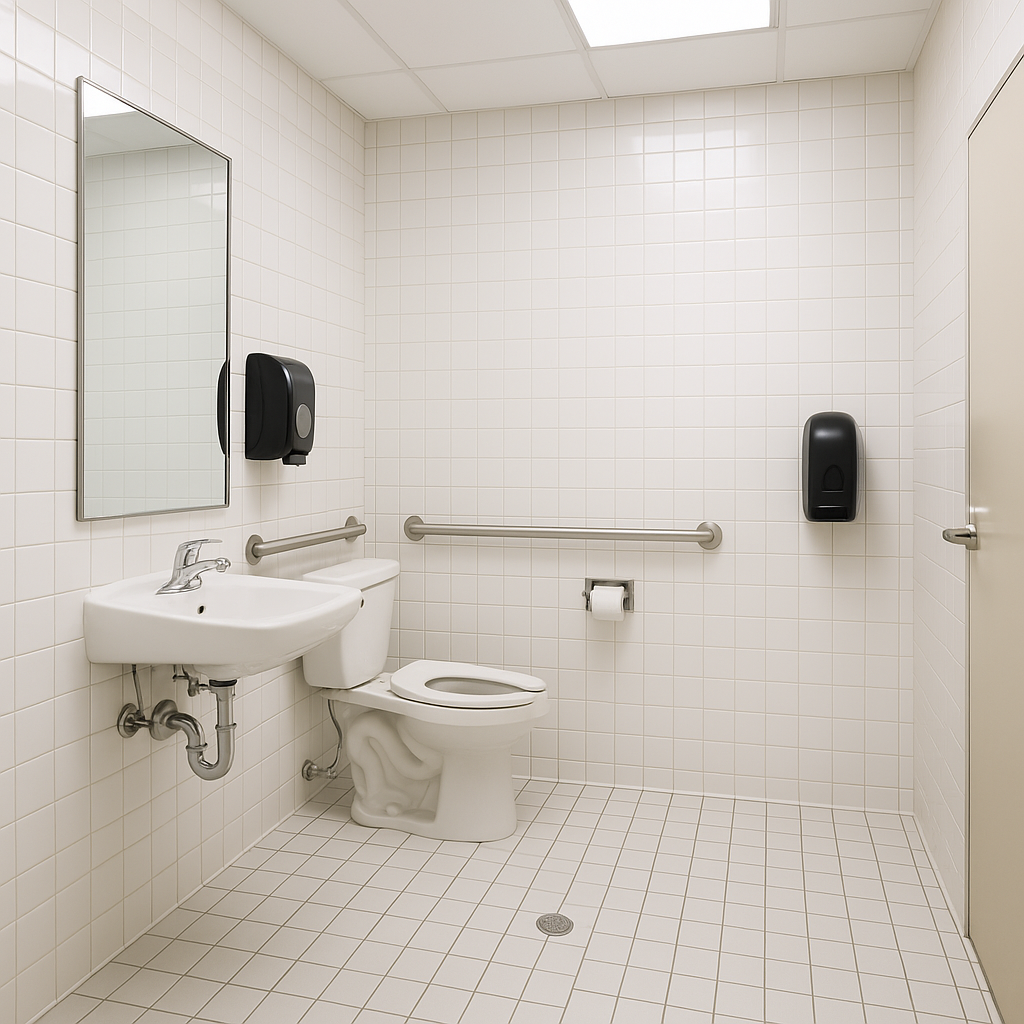
Healthcare facilities demand superior hygiene standards while managing tight budgets—discover systematic restoration strategies that extend surface life, maintain infection control compliance, and eliminate costly replacement without disrupting patient care.
Understanding the True Cost of Surface Replacement in Healthcare Facilities
Healthcare facilities face a critical operational dilemma when aging tile and grout surfaces in patient rooms, bathrooms, showers, and corridors begin to show signs of deterioration. Damaged, stained, or porous surfaces create maintenance challenges and compromise the professional appearance facilities work hard to maintain. Traditional replacement involves substantial costs that extend far beyond the price of new materials.
The true cost of surface replacement includes extended room downtime that impacts patient capacity and revenue generation. Demolition generates substantial waste requiring disposal. Patient rooms taken out of service for multi-day replacement projects reduce available beds during periods when healthcare facilities cannot afford capacity constraints. Environmental services teams face disruption to normal cleaning schedules while construction crews occupy spaces.
Hospitals often delay necessary tile and grout replacement specifically because patient rooms cannot be taken out of service for the extended periods traditional replacement requires. This delay allows surface deterioration to progress, creating surfaces that become increasingly difficult to clean and maintain. Cracked grout lines and porous tile absorb contaminants, making routine custodial maintenance less effective and requiring more aggressive cleaning protocols.
Facility managers, EVS leaders, infection prevention teams, plant operations directors, and healthcare administrators recognize that aging surfaces impact both appearance and operational efficiency. The challenge lies in identifying alternatives to full replacement that deliver lasting results without the extended downtime and substantial capital expenditure traditional methods demand..jpg?width=2396&height=1076&name=ChromaGLAZE%20-%20Hospital%20Bathroom%20(1).jpg)
Restoration Processes That Meet CDC and Joint Commission Standards
SaniGLAZE provides healthcare facilities with systematic restoration processes designed specifically for the demanding standards healthcare environments require. Rather than tearing out and replacing existing tile and grout, SaniGLAZE restores surfaces to a like-new condition while extending their usable life. This approach addresses the core challenges healthcare facilities face: maintaining professional appearance, supporting infection control standards, and managing capital budgets effectively.
The restoration process begins with systematic surface preparation using XcelKLEEN, a multi-step extraction system that removes embedded contaminants, mineral deposits, and years of accumulated soil from tile and grout surfaces. This deep-cleaning foundation ensures optimal adhesion for protective coatings applied in subsequent steps. Surface preparation creates the clean substrate essential for long-term coating performance.
Following preparation, facilities can select from multiple restoration processes tailored to specific needs and surface conditions. EnduraGLAZE serves as the flagship restoration process, applying proprietary coatings that seal porous grout lines and restore tile surfaces. GroutGLAZE targets grout lines specifically, creating a permanent barrier that resists moisture penetration and simplifies ongoing maintenance. ChromaGLAZE offers color transformation for facilities seeking to update appearance while protecting surfaces.
Each restoration process creates a non-porous surface that resists staining and moisture intrusion. By sealing grout at the molecular level, these processes eliminate the porous pathways that allow contaminants to penetrate deep into grout lines. The result is a smooth, sealed surface that supports routine custodial cleaning protocols and maintains appearance over extended service life.
Healthcare facilities maintain responsibility for infection control practices and environmental cleaning protocols. SaniGLAZE restoration processes support these efforts by creating surfaces that are easier to clean and maintain. The sealed, non-porous finish allows standard cleaning agents to work more effectively on surface contaminants rather than fighting embedded soil within porous grout structures.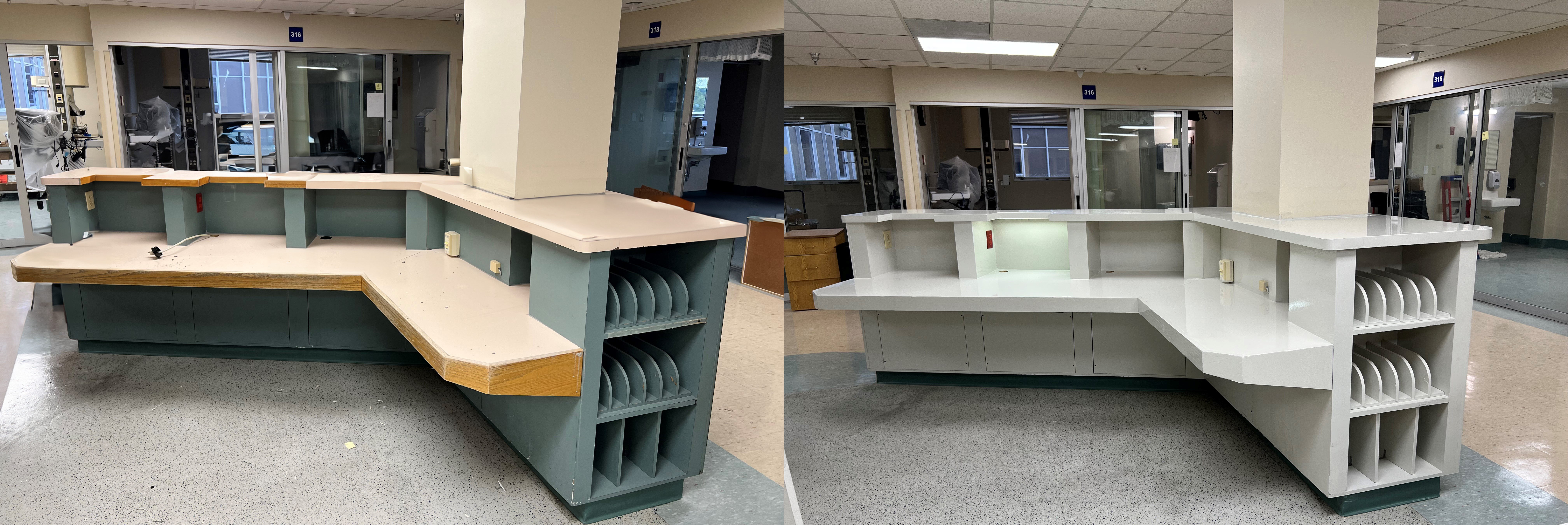
Minimizing Downtime While Maximizing Surface Protection
Restoration delivers substantial time advantages compared to demolition and replacement. Traditional tile replacement requires multi-day room closures for demolition, debris removal, substrate preparation, installation, grouting, and curing. Each phase extends the period patient rooms or clinical spaces remain unavailable for normal operations.
SaniGLAZE restoration processes reduce disruption by working with existing surfaces rather than replacing them. The systematic application process allows many projects to be completed within compressed timeframes that minimize impact on facility operations. Patient bathrooms, showers, restrooms, corridors, exam rooms, and nurse stations can return to service faster, supporting the operational capacity healthcare facilities require.
This reduced downtime carries direct financial implications. Patient rooms returned to service more quickly generate revenue sooner. Environmental services teams can resume normal cleaning schedules without extended disruption. Clinical staff access spaces needed for patient care without prolonged interruption. The operational continuity restoration provides helps healthcare facilities maintain the service levels their communities depend on.
The restoration approach also eliminates the mess and debris associated with demolition. No jackhammers removing tile. No dust containment systems required to protect adjacent spaces. No dumpsters filled with demolished materials requiring disposal. The process respects the functioning healthcare environment, allowing restoration work to proceed without the construction zone atmosphere traditional replacement creates.
For facilities managing multiple buildings or campuses, the ability to restore surfaces with minimal downtime enables more aggressive facility improvement schedules. Rather than limiting projects to extended maintenance windows or scheduling room closures months in advance, restoration processes provide the flexibility to address surface deterioration as it occurs across the facility portfolio.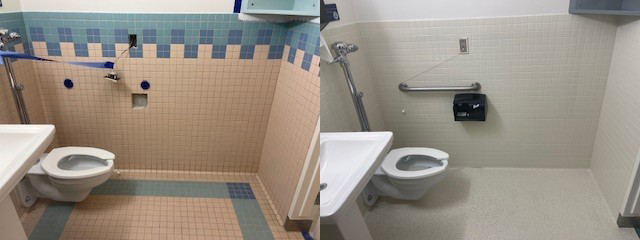
Sustainable Solutions That Reduce Waste and Extend Asset Life
Healthcare facilities increasingly prioritize sustainability initiatives that reduce environmental impact while delivering financial benefits. Surface restoration aligns with these goals by extending the life of existing tile and grout installations rather than generating waste through demolition and disposal.
Traditional replacement sends substantial material volume to landfills. Demolished tile, grout, mortar, and substrate materials accumulate quickly across patient bathrooms, shower rooms, and corridor projects. This waste stream carries both environmental and financial costs as facilities pay for dumpster services and disposal fees in addition to new materials and installation labor.
Restoration eliminates this waste by preserving existing surfaces. The tile and grout substrate installed during original construction continues serving the facility for years beyond its expected replacement timeline. This lifecycle extension represents true sustainability—maximizing the value and service life of capital assets already in place.
The reduced material consumption extends beyond avoided demolition waste. Restoration processes require substantially less raw material than full replacement. Rather than sourcing new tile, grout, mortar, and substrate materials, facilities invest in restoration coatings that protect and extend existing surfaces. This material efficiency reduces the environmental footprint associated with manufacturing, transportation, and installation of replacement materials.
For healthcare facilities tracking sustainability metrics or pursuing green building certifications, surface restoration provides quantifiable benefits. Facilities can document waste diversion, reduced material consumption, and extended asset life as measurable contributions to environmental stewardship goals. These metrics support broader organizational commitments to sustainability while delivering the financial and operational benefits restoration provides.
The combination of waste reduction, material conservation, and asset life extension positions restoration as an alternative to replacement that serves both financial and environmental objectives. Healthcare administrators seeking to balance capital budget management with sustainability commitments find restoration processes provide a systematic approach that addresses both priorities simultaneously.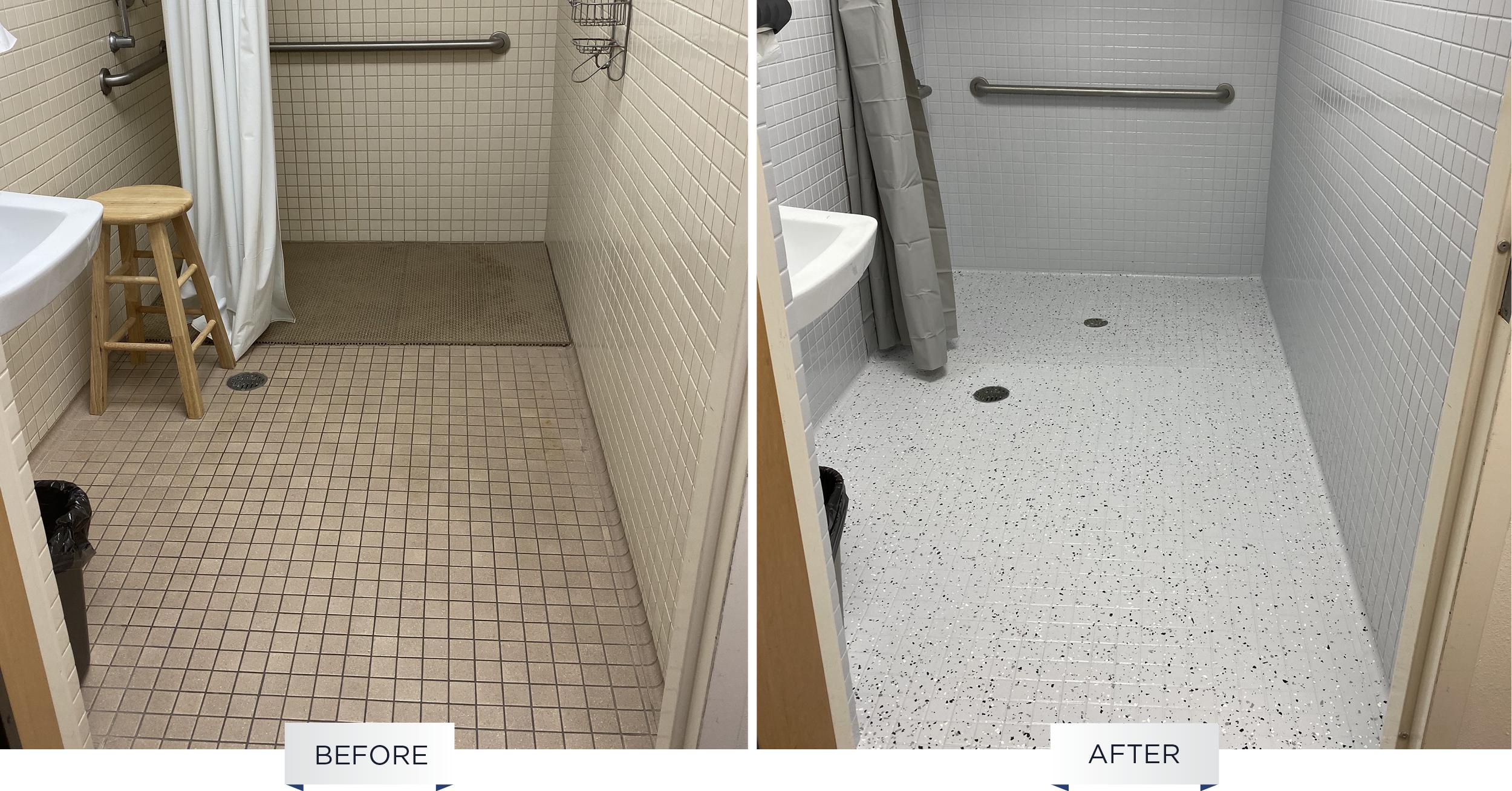
Long-Term Cost Savings Through Systematic Surface Restoration
The financial advantages of restoration extend across multiple dimensions that impact healthcare facility budgets. Initial project costs represent only the beginning of the value restoration delivers. Long-term savings accumulate through avoided replacement expenses, reduced maintenance labor, extended asset life, and improved operational efficiency.
Restoration eliminates the substantial capital expenditure traditional replacement requires. Facilities avoid costs for demolition labor, debris disposal, new tile and grout materials, substrate preparation, installation labor, and extended room downtime. The cost differential between restoration and replacement typically ranges from sixty to eighty percent, freeing capital for other facility priorities while addressing surface deterioration.
Beyond initial project savings, restored surfaces reduce ongoing maintenance costs. The sealed, non-porous finish SaniGLAZE processes create allows routine cleaning to proceed more efficiently. Environmental services staff spend less time scrubbing grout lines and fighting embedded stains. Cleaning agents work on surface contaminants rather than penetrating deep into porous grout structures. This efficiency reduces both labor hours and cleaning chemical consumption.
The protective coatings applied during restoration shield surfaces from the wear patterns that typically drive replacement decisions. Grout sealed against moisture intrusion resists the cracking and deterioration that develops when water penetrates and degrades grout structure. Tile protected by durable topcoats maintains appearance despite heavy foot traffic and repeated cleaning cycles. This protection extends the interval between restoration projects, further reducing lifecycle costs.
Healthcare facilities managing tight capital budgets find restoration processes provide a strategic alternative for addressing surface deterioration across multiple locations. Rather than deferring necessary improvements due to budget constraints, facilities can restore patient bathrooms, showers, exam rooms, and other tiled spaces within available funding. This capability helps facilities maintain the professional appearance and cleanliness standards healthcare environments require.
For facility managers and directors presenting capital project recommendations to CFOs and administrators, restoration provides compelling financial justification. The combination of lower initial cost, reduced downtime impact, avoided replacement expense, and long-term maintenance savings creates a strong business case. Facilities can address more locations within budget constraints while extending the useful life of existing surface investments.
The systematic approach to surface restoration enables healthcare facilities to develop multi-year facility improvement plans that address aging tile and grout across entire campuses. Rather than limiting projects to the most severely deteriorated areas budget allows replacing each year, facilities can restore larger surface areas within the same capital allocation. This expanded scope accelerates facility improvements while protecting capital budgets.
SaniGLAZE restoration processes help hospitals save money by avoiding unnecessary replacement, reducing downtime that impacts operational capacity, and protecting existing flooring and wall investments. The combination of immediate cost savings and long-term financial benefits positions restoration as a cost-effective strategy for healthcare facilities managing facility infrastructure within constrained budgets.
Healthcare administrators seeking to optimize capital allocation while maintaining facility standards should consider scheduling a facility assessment with SaniGLAZE. A comprehensive evaluation of tile and grout conditions across patient rooms, patient bathrooms, showers, corridors, exam rooms, nurse stations, and other tiled spaces provides the foundation for informed decisions about restoration versus replacement. This assessment process helps facilities understand where restoration delivers optimal value and where other interventions may be appropriate.
The restoration consultation process examines surface conditions, discusses facility priorities and constraints, and develops restoration recommendations tailored to specific needs. Facility managers, EVS leaders, infection prevention specialists, plant operations directors, and healthcare administrators gain clear understanding of restoration options, project timelines, and expected outcomes. This information supports capital planning decisions and helps facilities develop systematic approaches to surface restoration across their portfolios.
Contact SaniGLAZE to schedule a facility assessment or restoration consultation. Discover how systematic surface restoration can help your healthcare facility extend asset life, maintain infection control compliance, and eliminate costly replacement without disrupting patient care..jpg?width=2400&height=1256&name=EnduraGLAZE-Hospital-No%20Logo%20(2).jpg)
Frequently Asked Questions
Can SaniGLAZE restore tile and grout in hospital patient rooms?
Yes. SaniGLAZE restoration processes are designed for commercial and healthcare environments, including patient rooms, patient bathrooms, showers, restrooms, corridors, exam rooms, and other tiled spaces.
Instead of removing existing tile and grout, SaniGLAZE restores the surfaces already in place. This helps improve appearance, address worn or stained grout lines, and create surfaces that are easier for facility and EVS teams to maintain.
How does restoration compare to full tile replacement in healthcare facilities?
Full tile replacement often requires demolition, debris removal, installation, curing time, and extended room closures. In a hospital, that can create major disruption for patient care areas and adjacent spaces.
SaniGLAZE restoration works with the existing tile and grout, helping facilities avoid unnecessary demolition. For many healthcare spaces, restoration can provide a faster, less disruptive, and more cost-effective alternative to replacement.
Can SaniGLAZE help reduce patient room downtime?
Yes. One of the biggest advantages of restoration is reduced downtime compared to traditional replacement.
Because SaniGLAZE restores existing surfaces rather than tearing them out, patient rooms and bathrooms can often return to service faster. Exact timelines depend on the condition of the surfaces, the size of the project, and the specific restoration process recommended.
A facility assessment can help determine the expected project timeline for each area.
What healthcare areas can SaniGLAZE restore?
SaniGLAZE can restore tile and grout surfaces throughout healthcare facilities, including patient bathrooms, patient showers, restrooms, corridors, exam rooms, nurse stations, cafeterias, locker rooms, and other tiled floors and walls.
The process can be used on many ceramic tile, porcelain tile, and grout surfaces commonly found in healthcare facilities.
Does SaniGLAZE remove the need for demolition?
In many cases, yes. SaniGLAZE restoration is designed to preserve and restore existing tile and grout instead of removing and replacing it.
That means facilities can avoid much of the mess, noise, dust, debris, and waste associated with demolition. For active healthcare environments, this can be a major benefit because projects can often be completed with less disruption to surrounding spaces.
How can restored tile and grout help with ongoing maintenance?
Aging grout can become stained, worn, porous, and difficult to clean. This creates extra work for EVS and facility maintenance teams.
SaniGLAZE restoration helps improve the surface condition of existing tile and grout, making routine cleaning and maintenance more efficient. Restored surfaces can help reduce the visual impact of stained grout lines and support a cleaner, more consistent appearance throughout patient care areas.
How can a hospital know if restoration is better than replacement?
The best way to determine whether restoration is the right option is to schedule a facility assessment.
During the assessment, SaniGLAZE evaluates the condition of the tile and grout, identifies areas of concern, discusses facility priorities, and recommends the most appropriate restoration approach. This helps facility managers and healthcare administrators compare restoration against replacement based on cost, downtime, surface condition, and long-term maintenance goals.