
 Schedule a Consultation!
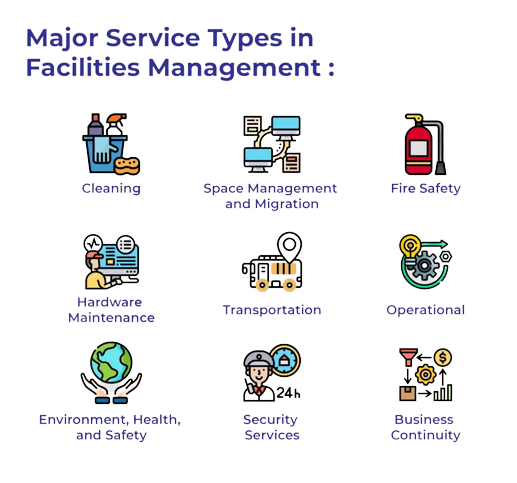
Many confuse facilities management and custodial duties or what's known in the industry as "environmental services." We'll detail the work of these two separate but distinct areas within a well-maintained and high-functioning commercial or government facility.
What is Facilities Management?
Facilities management refers to the organization and coordination of the resources and services that support the operation of a physical facility, such as a building or complex of buildings.
Facilities management responsibilities include:
- Maintenance
- Repair
- Upkeep of the physical structure
- Maintaining systems and management for utilities and security
- Other resources are needed for the facility to function effectively
Facilities management is concerned most with the physical structure. We'll see how environmental services take a different route next.
What are Environmental Services?
Environmental services, also known as housekeeping or custodial services, is a department within facilities management responsible for maintaining cleanliness and hygiene. Think of checklist items such as trash removal, liner laundering, and cleaning surfaces and restrooms.
Environmental services may also be responsible for properly disposing of hazardous materials, such as medical waste, and may work closely with other departments to ensure that the facility complies with relevant environmental regulations.
Facilities Management vs. Environmental Services
While facilities management and environmental services may be closely related, they are distinct departments with different responsibilities. Facilities management is concerned with the overall operation and maintenance of a facility, while environmental services focus on maintaining cleanliness and hygiene.
Coordination is Key in Larger Commercial Facilities
In more extensive facilities, such as hospitals or universities, facilities management may also include departments such as grounds maintenance, engineering, and energy management. These departments work together to ensure the facility is well-maintained and operates efficiently.
Overall, the main difference between facilities management and environmental services is the scope of their responsibilities. Facilities management is responsible for the overall operation and maintenance of a facility, while environmental services focus on maintaining cleanliness and hygiene. While the two departments may work closely together, they have distinct roles and responsibilities.
Want Tile & Surfaces That Are Stronger, More Durable, and Easier to Clean?
SaniGLAZE has engineered proprietary products and services that transform tile and hard surfaces within your facility. High-traffic areas can wear down quickly, leaving many to consider replacement altogether. However, the cost savings of restoration speak for themselves by delivering a wholly reinvigorated tile or hard surface with less expense and downtime.
Our process goes deep within to restore surfaces to better-than-new condition, making them stronger, more durable, and easier to maintain. That long-term win for your budget makes this a strategy that keeps producing returns for years. Schedule a consultation with our team to see if SaniGLAZE is best suited for your facility.
Frequently Asked Questions About Facilities Management and Environmental Services
What is facilities management?
Facilities management is the organization and coordination of the people, systems, services, and resources needed to keep a physical facility operating properly. It includes building maintenance, repairs, upkeep, utilities, security systems, infrastructure, vendor coordination, and long-term facility planning.
What are environmental services?
Environmental services, often called EVS, housekeeping, or custodial services, focuses on maintaining cleanliness, hygiene, sanitation, and order within a facility. This may include cleaning surfaces, restrooms, floors, patient rooms, public areas, trash removal, supply restocking, and safe handling of certain waste materials.
What is the main difference between facilities management and environmental services?
The main difference is scope. Facilities management is responsible for the overall operation and maintenance of the building, while environmental services is focused on cleanliness, hygiene, and sanitation within the building.
Are environmental services part of facilities management?
In many organizations, environmental services may operate under or alongside the facilities management department. However, the two functions have different responsibilities. Facilities management focuses on the building and its systems, while environmental services focuses on clean, sanitary, and usable spaces.
Why do people confuse facilities management and environmental services?
People often confuse the two because both departments support the condition, safety, and daily operation of a facility. They may also work in the same spaces and respond to similar concerns, such as restrooms, floors, odors, safety issues, and occupant complaints.
What responsibilities fall under facilities management?
Facilities management may include building repairs, preventive maintenance, HVAC systems, electrical systems, plumbing, utilities, security systems, grounds maintenance, energy management, equipment coordination, vendor management, space planning, and capital improvement projects.
What responsibilities fall under environmental services?
Environmental services may include restroom cleaning, floor care, trash removal, surface disinfection, supply restocking, odor control, laundering liners, cleaning common areas, maintaining hygiene standards, and disposing of certain regulated or hazardous materials depending on the facility type.
How do facilities management and environmental services work together?
Facilities management and environmental services work together by coordinating maintenance needs, cleaning schedules, safety concerns, repairs, inspections, and long-term facility improvements. For example, EVS may identify recurring restroom odor or grout issues, while facilities management may coordinate restoration, repair, or capital maintenance solutions.
Why is coordination important in larger facilities?
Coordination is important because large facilities such as hospitals, universities, government buildings, and commercial campuses have many moving parts. Grounds, engineering, energy management, custodial teams, maintenance teams, safety personnel, and outside vendors must work together to keep the facility safe, clean, efficient, and operational.
How does facilities management affect occupant experience?
Facilities management affects occupant experience by ensuring the building is safe, functional, comfortable, well-maintained, properly lit, climate-controlled, secure, and operational. When facility systems fail or maintenance is neglected, occupants notice quickly.
How does environmental services affect occupant experience?
Environmental services affects occupant experience by keeping spaces clean, sanitary, odor-free, stocked, and presentable. Clean restrooms, floors, lobbies, locker rooms, and common areas help create a positive impression and support health, safety, and comfort.
Which department is responsible for restroom conditions?
Both departments may share responsibility for restroom conditions. Environmental services usually handles daily cleaning, disinfection, stocking, and odor control. Facilities management may handle plumbing, ventilation, fixtures, tile, grout, repairs, restoration, and long-term surface performance.
Which department is responsible for floor care?
Floor care can involve both teams. Environmental services may handle routine mopping, scrubbing, burnishing, and cleaning. Facilities management may coordinate deeper restoration, repair, replacement, sealing, safety improvements, and lifecycle planning for flooring systems.
Why do tile and grout issues involve both facilities management and environmental services?
Tile and grout issues often involve both departments because they affect cleaning, appearance, sanitation, odor control, safety, and long-term maintenance. EVS teams may struggle to keep porous grout clean, while facilities teams may need to evaluate whether restoration or replacement is required.
How can SaniGLAZE support facilities management teams?
SaniGLAZE supports facilities management teams by restoring and protecting tile, grout, and hard surfaces in high-traffic areas. This can help extend surface life, reduce replacement costs, improve appearance, and reduce operational disruption compared to full demolition and replacement.
How can SaniGLAZE support environmental services teams?
SaniGLAZE supports environmental services teams by making restored surfaces easier to clean and maintain. When tile and grout are restored and protected, contaminants are less likely to penetrate into porous grout, which can help reduce recurring stains, odors, and repeated aggressive cleaning.
Why are high-traffic surfaces difficult for EVS teams to maintain?
High-traffic surfaces are difficult to maintain because they are exposed to constant foot traffic, moisture, spills, cleaning chemicals, dirt, bacteria, and wear. Over time, porous grout and worn hard surfaces can trap contaminants below the surface, making routine cleaning less effective.
When should a facility consider restoration instead of routine cleaning?
A facility should consider restoration when surfaces remain stained, smelly, slippery, worn, or difficult to clean even after routine janitorial work. Persistent grout discoloration, restroom odors, recurring complaints, moisture absorption, and deteriorated surfaces are signs that cleaning alone may not be enough.
When is replacement still necessary?
Replacement may be necessary when tile is loose, the substrate is failing, severe moisture damage is present, or the surface is structurally compromised. A professional evaluation can determine whether restoration or replacement is the better long-term option.
What is the best first step for improving facility cleanliness and surface performance?
The best first step is coordination between facilities management and environmental services. Identify recurring problem areas, document cleaning and maintenance challenges, and schedule a professional surface evaluation to determine whether cleaning, repair, restoration, sealing, or replacement is needed.