
 Schedule a Consultation!
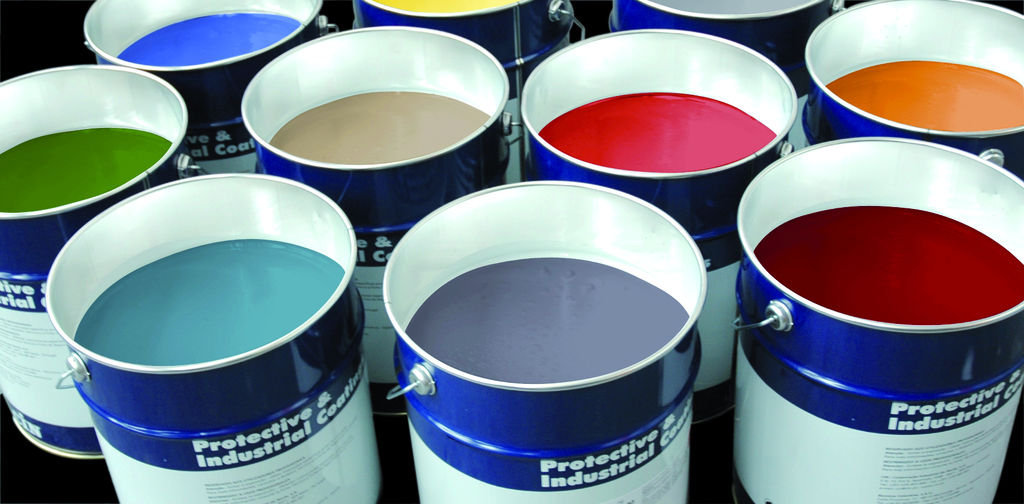
High-performance coatings and paint are both products that are used to protect and decorate surfaces, but there are some significant differences between the two.
One of the main differences between high-performance coatings and paint is their durability and longevity. High-performance coatings are formulated to be more durable and long-lasting than paint and are often used in industrial and commercial settings where the surface is subjected to heavy use or harsh conditions. High-performance coatings are typically more resistant to wear, UV radiation, moisture, and other factors that can cause paint to deteriorate over time.
Another difference between high-performance coatings and paint is their performance characteristics. High-performance coatings are often designed to provide specific benefits, such as improved slip resistance, chemical resistance, or fire resistance. Paint, on the other hand, is generally used for decorative purposes and may not provide the same level of protection or specialized performance as high-performance coatings.
There are also differences in the application process for high-performance coatings and paint. High-performance coatings are typically applied using specialized equipment, such as sprayers or rollers, and may require more time and effort to apply properly. Paint, on the other hand, can typically be applied with a brush or roller and is generally easier to apply.
Another difference between high-performance coatings and paint is the cost. High-performance coatings tend to be more expensive than paint due to their specialized formulations and the additional time and effort required to apply them. However, the longer lifespan and improved performance of high-performance coatings can often make them a more cost-effective choice in the long run.
Overall, high-performance coatings and paint are both useful products that can be used to protect and decorate surfaces. High-performance coatings are typically more durable and specialized than paint, but are also more expensive and may require more time and effort to apply. The best choice for a particular project will depend on the specific needs and requirements of the surface being coated.
Frequently Asked Questions About High-Performance Coatings and Paints
What is the difference between paint and a high-performance coating?
Paint is typically used to decorate or refresh the appearance of a surface, while a high-performance coating is engineered to protect the surface under more demanding conditions. High-performance coatings are often designed for durability, chemical resistance, moisture resistance, abrasion resistance, slip resistance, or other specific performance needs.
Are high-performance coatings more durable than paint?
Yes. High-performance coatings are generally formulated to last longer than standard paint, especially in commercial, industrial, institutional, or high-traffic environments. They are designed to resist wear, moisture, UV exposure, cleaning chemicals, and other conditions that can cause ordinary paint to deteriorate more quickly.
When should you use a high-performance coating instead of paint?
A high-performance coating is usually the better choice when the surface must withstand heavy use, frequent cleaning, moisture, chemical exposure, abrasion, or safety requirements. Common applications include commercial floors, restrooms, locker rooms, showers, kitchens, healthcare facilities, schools, industrial areas, and other spaces where appearance alone is not enough.
Is paint ever the right choice?
Yes. Paint can be a good option for surfaces where the primary goal is appearance and the surface is not exposed to heavy wear, moisture, chemicals, or demanding cleaning conditions. For low-traffic decorative applications, paint may be a practical and cost-effective solution.
Why do high-performance coatings cost more than paint?
High-performance coatings often cost more because they use specialized formulations and may require more surface preparation, professional application, curing time, and technical expertise. However, the longer service life and improved performance can make them more cost-effective over time, especially in commercial environments.
Are high-performance coatings harder to apply than paint?
In many cases, yes. Paint is commonly applied with brushes or rollers and may require less technical preparation. High-performance coatings often require proper surface profiling, cleaning, priming, mixing, application tools, cure-time management, and trained installers to ensure adhesion and long-term performance.
Can high-performance coatings be used on floors?
Yes. High-performance coatings are commonly used on commercial and industrial floors because they can provide durability, cleanability, chemical resistance, moisture protection, and improved appearance. Depending on the system, coatings may also include slip-resistant texture or decorative finishes.
Are high-performance coatings only for industrial buildings?
No. While high-performance coatings are common in industrial settings, they are also used in healthcare facilities, schools, universities, hotels, restaurants, fitness centers, government buildings, and other commercial properties. Any facility with high traffic, moisture exposure, sanitation requirements, or long-term maintenance concerns may benefit from a coating system.
Do high-performance coatings help with cleaning and maintenance?
Yes. A properly selected and installed high-performance coating can create a more durable and cleanable surface. This can help reduce staining, moisture intrusion, surface deterioration, and the buildup of contaminants. In facilities where sanitation and appearance matter, this can be a major advantage over standard paint.
Are high-performance coatings slip-resistant?
Some high-performance coatings can be installed with slip-resistant additives or textured finishes. Slip resistance depends on the coating system, surface profile, environment, and maintenance practices. For wet areas such as restrooms, locker rooms, showers, kitchens, or entryways, slip resistance should be considered during system selection.
How long do high-performance coatings last?
The lifespan of a high-performance coating depends on the surface, coating type, traffic level, preparation quality, exposure conditions, and maintenance program. In demanding environments, a properly installed coating system can often last significantly longer than standard paint.
Can high-performance coatings be applied over tile or concrete?
Yes, certain high-performance coating systems can be applied over properly prepared tile, grout, concrete, and other hard surfaces. The existing surface must be evaluated for adhesion, moisture, contamination, cracks, loose material, and overall structural condition before coating.
What happens if the surface is not prepared correctly?
Poor preparation can lead to coating failure, including peeling, bubbling, delamination, uneven finish, or reduced service life. Surface preparation is one of the most important steps in any coating project and should be handled by trained professionals who understand the specific system being installed.
How does SaniGLAZE use high-performance coating technology?
SaniGLAZE uses professional restoration and coating systems to renew, protect, and extend the life of existing tile, grout, concrete, and other hard surfaces. Depending on the project, SaniGLAZE service providers can improve appearance, cleanability, durability, and long-term surface performance without the disruption and cost of full replacement.
Is a high-performance coating better than replacing the surface?
In many cases, yes. If the existing surface is structurally sound, restoration and coating can be a faster, less disruptive, and more cost-effective alternative to demolition and replacement. Replacement may still be necessary when the substrate is failing, the surface is severely damaged, or moisture issues cannot be resolved through restoration alone.