
 Schedule a Consultation!
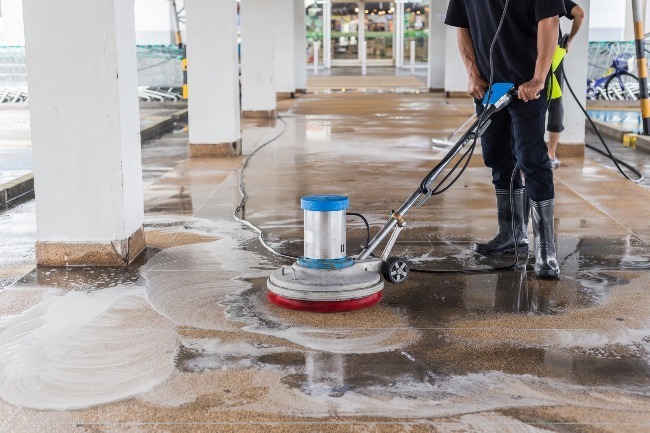
Floor restoration is the process of rejuvenating an existing floor without the need for costly and time-consuming replacement. It involves a series of steps, such as cleaning, grinding, filling, polishing, and sealing, that can restore the appearance, durability, and safety of a floor. Unlike floor replacement, floor restoration can be done quickly, with minimal disruption to daily operations, and at a fraction of the cost.
Reducing Operational Downtime
One of the main benefits of floor restoration is that it reduces operational downtime. When a floor needs to be replaced, the entire area must be closed off, causing significant disruption to business operations. This can lead to lost revenue, delays, and additional expenses.
Floor restoration, on the other hand, can be done in sections or during non-business hours, minimizing the impact on operations. This means that businesses can continue to operate as normal, without the need to shut down or relocate.
Save Money vs. Replacement
Another benefit of floor restoration is that it can save money compared to floor replacement. Replacing a floor is an expensive and labor-intensive process that requires the removal of the old floor, preparing the surface, and installing the new floor. This can cost thousands of dollars, and in some cases, even more.
Floor restoration, on the other hand, involves much less labor and materials, making it a more cost-effective option. In addition, restored floors often have a longer lifespan, reducing the need for frequent replacement, which means even more savings in the long run.
A Better-Than-New Finished Product
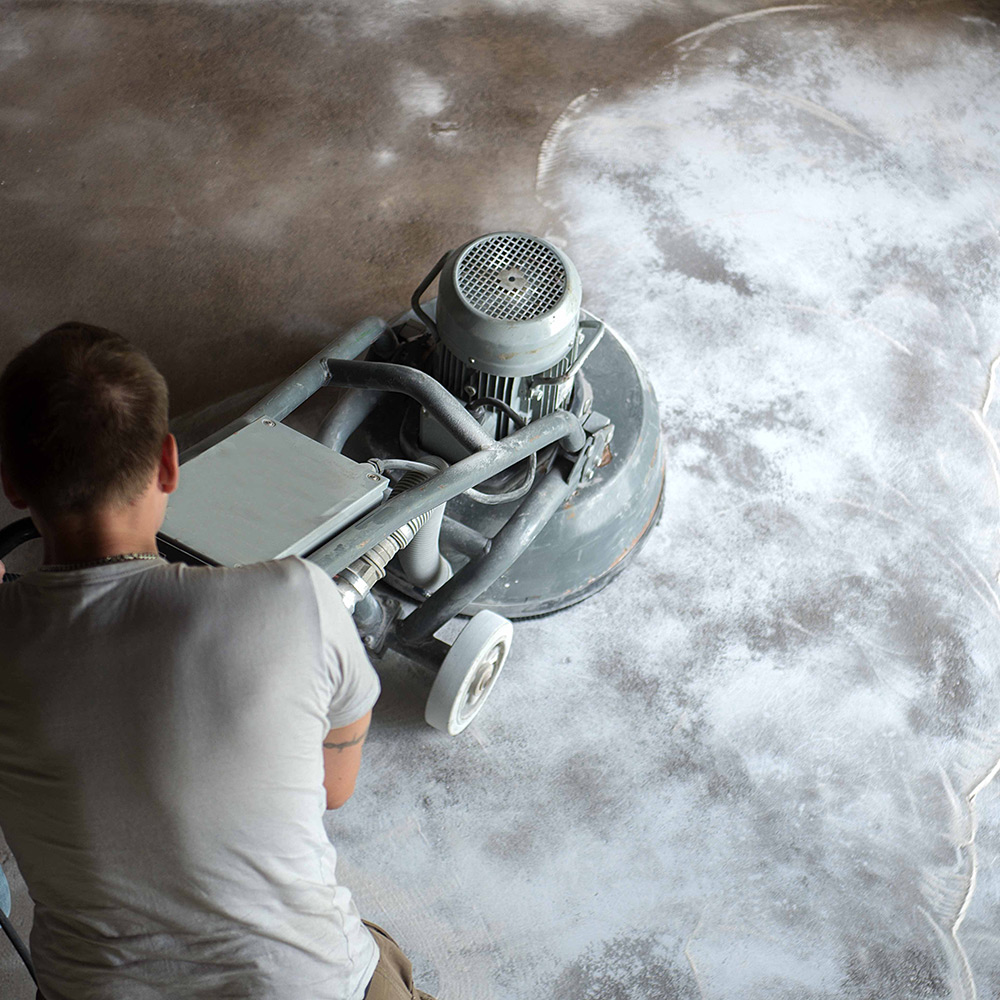
Furthermore, floor restoration can help to improve the overall appearance and safety of a floor. Dirt, grime, and wear and tear can make a floor look unsightly and unsafe, creating a negative impression on customers and employees. Through floor restoration, a floor can be cleaned, polished, and sealed, restoring its shine and making it safer to walk on. This will create a positive impression and it will also improve the overall aesthetic of a business, which can help to attract customers and improve employee morale.
More Eco-Friendly
Moreover, floor restoration can also benefit the environment. Replacing a floor requires the removal of the old floor and the disposal of the materials, which can be harmful to the environment. Floor restoration, on the other hand, involves minimal waste and is often more sustainable.
Restoring Tile and Hard Surfaces the Right Way
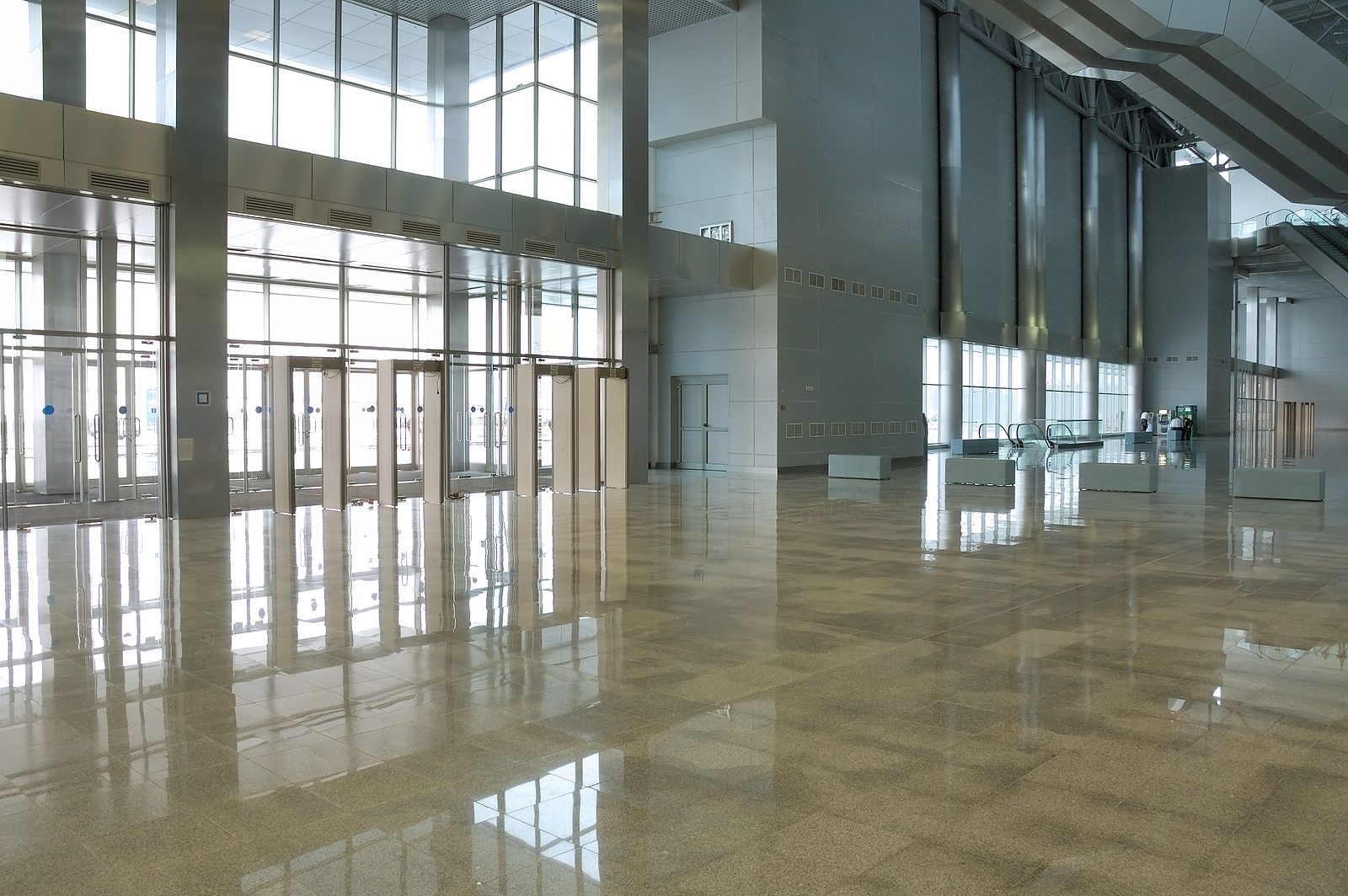
Finally, it's worth mentioning that, because of the wide variety of surfaces that exist, there are different techniques and methods of restoration available, which can vary depending on the type of surface you want to restore. Choosing the proper technique is crucial to restoring the floor properly.
At SaniGLAZE, our certified technicians are true professionals trained and experienced in the many types of commercial flooring used in hospitals, schools, commercial buildings, government facilities, and more. After you schedule a consultation, our team will assess your area and help you choose the best restoration method for your facility.
Bring it All Home: The Benefits of Floor Restoration
Floor restoration is an effective and cost-efficient way to rejuvenate an existing floor. It can reduce operational downtime, save money compared to floor replacement, improve the overall appearance and safety of a floor and be more sustainable than replacing a floor.
By choosing floor restoration, businesses can save money and improve the overall appearance of their premises.
Have Questions About Restoring Tile or Hard Surfaces?
Considering replacement over restoration in your facility? The cost savings of restoration speak fairly well for themselves with a beautiful finished product that’s super tough with less expense and downtime over replacement.
However, if you still have questions and want to talk things over with a friendly and knowledgeable floor and tile restoration specialist, please contact our team however is most convenient for you.
Frequently Asked Questions About Floor Restoration vs. Replacement
What is floor restoration?
Floor restoration is the process of rejuvenating an existing floor without removing and replacing the entire surface. Depending on the floor type and condition, restoration may include cleaning, grinding, filling, polishing, sealing, coating, or other surface-specific treatments designed to improve appearance, durability, cleanability, and safety.
How is floor restoration different from floor replacement?
Floor restoration improves the existing floor, while floor replacement removes the old floor and installs a new one. Replacement usually requires demolition, disposal, surface preparation, new materials, installation labor, and longer shutdowns. Restoration is often faster, less disruptive, and more cost-effective when the existing floor is structurally sound.
How does floor restoration reduce downtime?
Floor restoration can often be completed in sections, phases, or during non-business hours. This helps facilities avoid shutting down an entire area for an extended period. In many commercial environments, restoration allows normal operations to continue with less disruption than full replacement.
Why does floor replacement create more operational disruption?
Floor replacement often requires closing off the entire area, removing the old floor, preparing the substrate, installing new materials, allowing cure or set times, and coordinating multiple trades. This can disrupt business operations, create delays, and result in lost revenue or temporary relocation costs.
Is floor restoration less expensive than replacement?
Yes, floor restoration is often less expensive than replacement because it typically requires less labor, fewer materials, less demolition, and less disposal. When the existing surface can be restored, facilities may avoid many of the major costs associated with tearing out and replacing a floor.
Can restored floors last a long time?
Yes. A properly restored floor can extend the useful life of an existing surface and reduce the need for frequent replacement. Long-term performance depends on the surface type, restoration method, traffic levels, moisture exposure, cleaning practices, and ongoing maintenance plan.
Does floor restoration improve appearance?
Yes. Floor restoration can remove embedded soil, stains, dullness, surface wear, and discoloration. Depending on the system used, restoration can restore shine, improve color consistency, refresh grout lines, update the look of a surface, and make the facility feel cleaner and better maintained.
Can floor restoration improve safety?
Yes. Restoring a worn floor can help improve surface condition and reduce certain safety concerns. Depending on the floor and restoration method, the process may address surface wear, grime buildup, uneven appearance, deteriorated grout, slippery contaminants, and other issues that affect how the floor performs under daily use.
Is floor restoration more sustainable than replacement?
Yes. Floor restoration is often more sustainable because it keeps existing materials in place and reduces demolition waste. Replacement usually creates debris and requires new materials, transportation, disposal, and installation resources. Restoration can help facilities reduce waste while extending the life of existing surfaces.
What types of commercial floors can be restored?
Many commercial floors can be restored, including tile, grout, concrete, terrazzo, stone, and other hard surfaces. The correct restoration method depends on the surface type, condition, traffic exposure, moisture concerns, and facility goals.
Why is choosing the right restoration method important?
Different surfaces require different restoration techniques. A method that works well for one material may not be appropriate for another. Choosing the right process helps protect the floor, improve performance, avoid unnecessary damage, and achieve a longer-lasting result.
How does SaniGLAZE determine the right restoration method?
SaniGLAZE technicians evaluate the floor type, surface condition, traffic level, stains, grout condition, moisture exposure, safety concerns, and maintenance challenges. After the assessment, they can recommend the restoration method that best fits the facility’s needs, schedule, and budget.
Is restoration a good option for hospitals, schools, and government facilities?
Yes. Floor restoration can be a strong option for hospitals, schools, commercial buildings, government facilities, and other high-use environments because it can reduce downtime, preserve existing surfaces, improve appearance, and avoid the disruption of full replacement.
When is replacement better than restoration?
Replacement may be necessary when the floor is structurally unsound, the substrate is failing, tiles are loose, moisture damage is severe, or the surface is beyond practical repair. A professional evaluation can determine whether restoration or replacement is the better long-term option.
Can floor restoration be done after hours?
Yes. Many restoration projects can be scheduled during evenings, weekends, holidays, shutdown windows, or other low-traffic periods. This allows businesses and facilities to keep operations running while still improving the condition of their floors.
How does restoration help reduce long-term expenses?
Restoration can reduce long-term expenses by extending the life of existing floors, reducing the need for replacement, improving cleanability, lowering recurring maintenance problems, and helping facilities avoid major demolition and installation costs.
Does floor restoration eliminate the need for regular cleaning?
No. Restored floors still require routine cleaning and maintenance. However, a properly restored and protected surface is usually easier to maintain because dirt, moisture, and contaminants are less likely to penetrate into worn or porous areas.
How do I know if my floor should be restored or replaced?
Start with a professional assessment. If the existing floor is structurally sound but worn, stained, dull, dirty, or difficult to maintain, restoration may be the better option. If the floor has major structural failure, widespread loose material, or severe moisture damage, replacement may be necessary.