
 Schedule a Consultation!
Facility managers across commercial spaces like schools, hospitals, offices, and public facilities, face the challenge of stretching limited maintenance budgets while maintaining high standards of cleanliness, safety, and appearance. Once surfaces become discolored, damaged, or unresponsive to cleaning, costly replacement may seem like the only option.
SaniGLAZE helps commercial facilities maximize their budgets by restoring existing surfaces to like-new condition—delivering measurable ROI, reducing downtime, and avoiding unnecessary capital spending.
Restoration vs. Replacement
Replacing tile is one of the most expensive and disruptive maintenance decisions a facility manager can make. Between demolition, material costs, labor, and downtime, a full replacement can stretch budgets and delay operations.
Restoration, on the other hand, eliminates the need for demolition. SaniGLAZE processes are designed to extend the life of existing surfaces by removing deep contaminants, repairing problem areas, and sealing surfaces for long-term protection. The result? Surfaces that look and perform like new without the cost or complications of full replacement.
A Better ROI Starts with a Better Strategy
SaniGLAZE restoration solutions don’t just deep clean; they protect, seal, and preserve. That means less frequent deep cleaning, fewer repairs, and a longer usable life for existing surfaces.
Many facilities that choose restoration see:
- Up to 60% cost savings compared to replacement
- Extended surface life by 5–10 years
- A smoother maintenance routine
- Increased facility appeal for staff, visitors, and occupants
By making strategic use of lower-traffic periods (such as summer breaks or scheduled shutdowns) facility managers can have restoration performed with minimal disruption and maximum return.
Tailored Solutions for Commercial Spaces
SaniGLAZE solutions are built for the demands of commercial environments. Whether you're managing a school, hospital, gym, office building, or public facility, our processes are tailored to the realities of your space. We address common issues like:
- Deteriorating grout and stained tile in restrooms
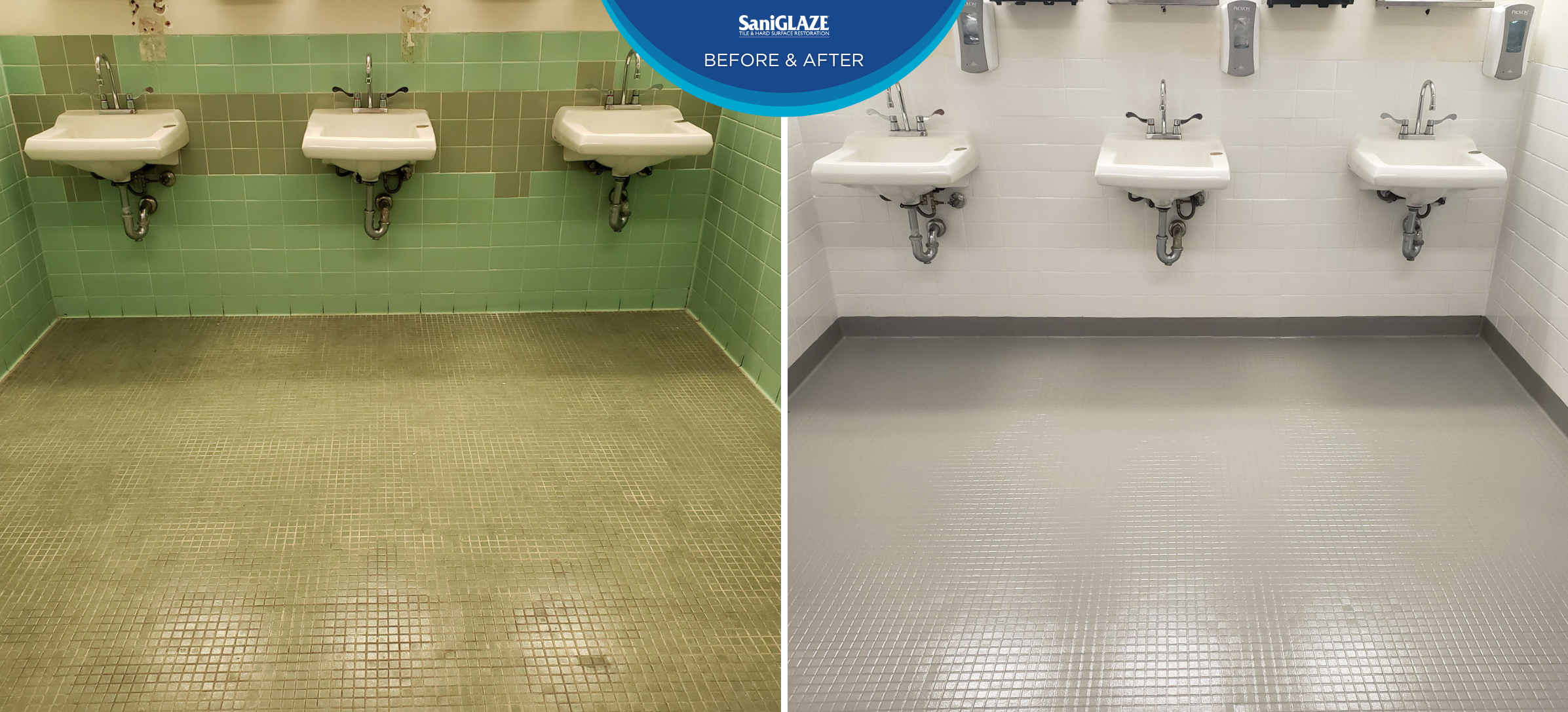
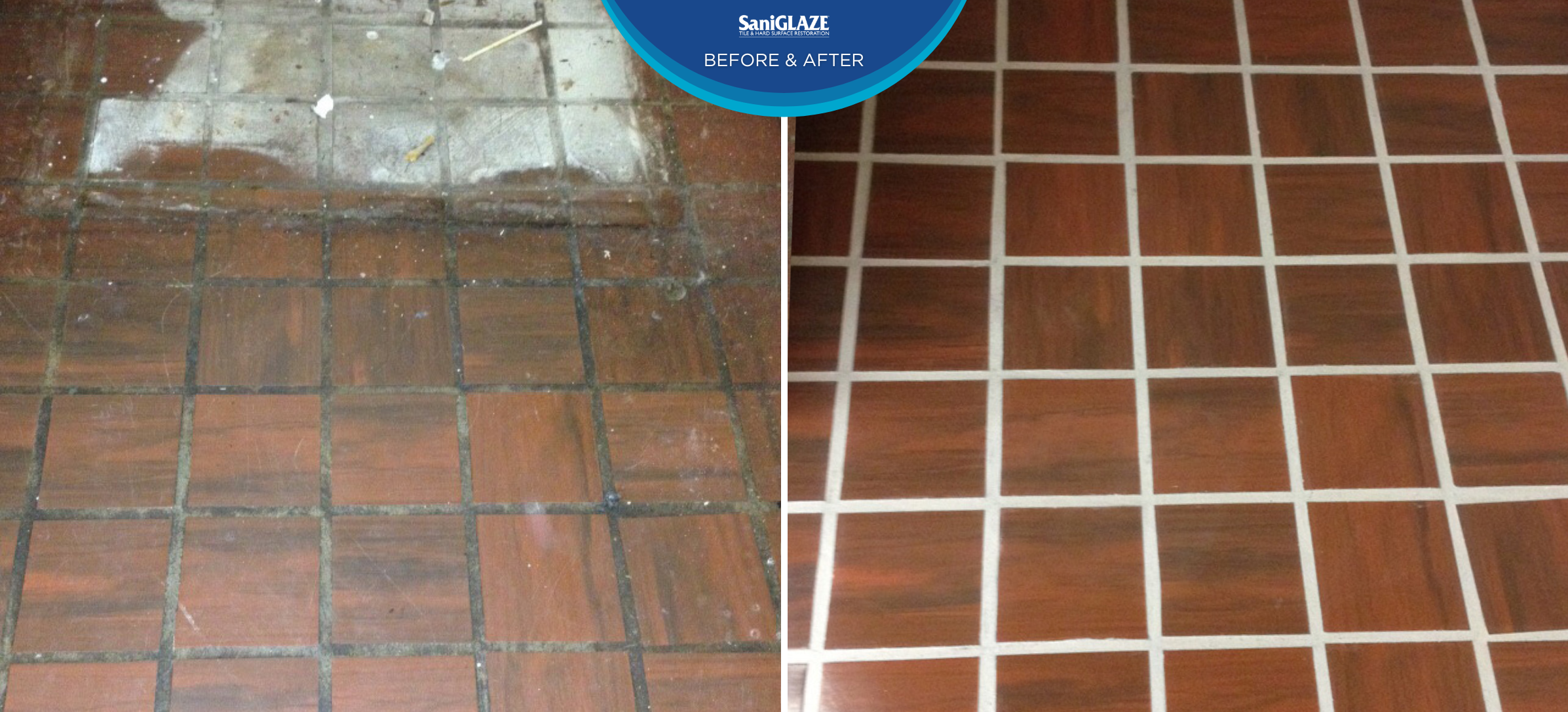
- High-traffic flooring in hallways, cafeterias, and breakrooms
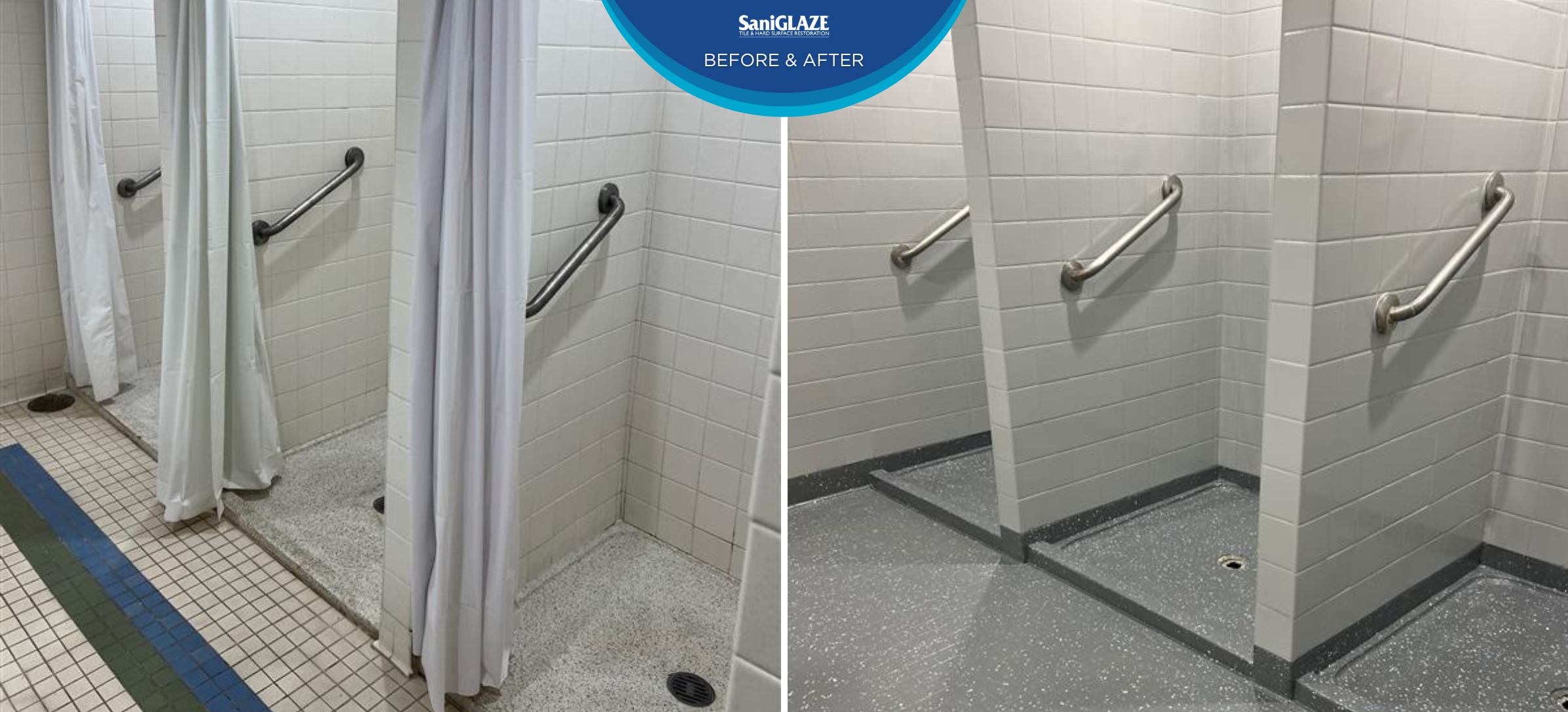
- Slippery surfaces and odor-prone areas in locker rooms and staff showers
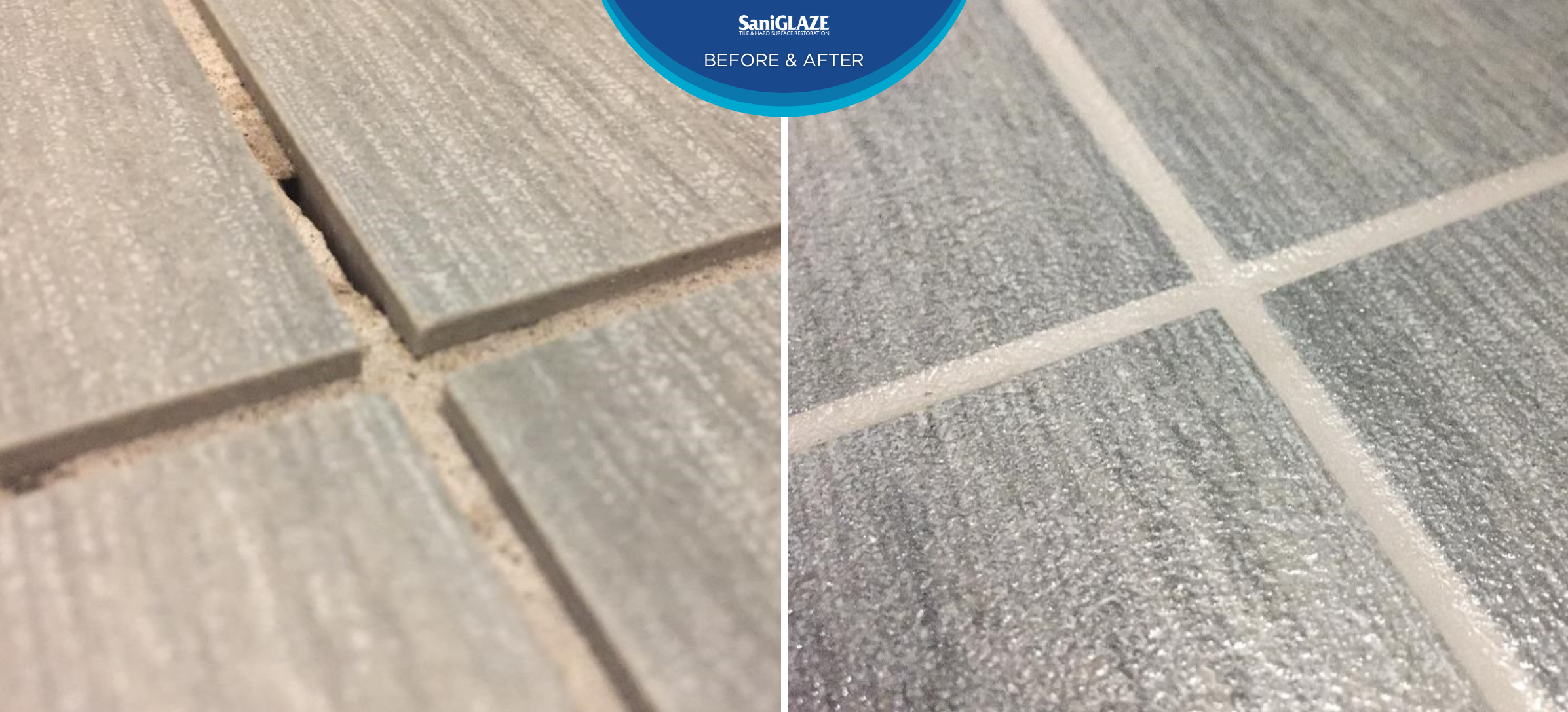
- Bacteria-harboring gaps and porous surfaces in medical and food prep zones
By targeting the conditions that cause surfaces to fail, we help extend performance without increasing costs.
No Demolition. Minimal Downtime.
One of the biggest advantages of working with SaniGLAZE is the efficiency of our process. Our team works around your schedule, often completing projects overnight or on weekends, to ensure your facility stays open and uninterrupted.
And because we’ve specialized in commercial tile and surface restoration for over 20 years, you’re not just getting a service. You’re getting a plan. Our consultations include a thorough surface assessment, and a tailored recommendation designed to meet your facility’s unique needs and budget.
Choose SaniGLAZE. Save Time & Money.
When budgets are tight, every decision counts. Restoration is one of the few facility upgrades that can save money today while protecting investments for years to come.
SaniGLAZE helps you avoid the high costs and disruptions of replacement, all while improving the look, feel, and performance of your space.
Ready to take advantage of this season’s opportunity?
Let’s build your customized surface restoration plan. Schedule a free consultation today.
Frequently Asked Questions About Maximizing Facility Maintenance Budgets with SaniGLAZE
How does SaniGLAZE help facilities maximize maintenance budgets?
SaniGLAZE helps facilities maximize maintenance budgets by restoring existing tile, grout, and hard surfaces instead of removing and replacing them. This approach can reduce demolition, labor, material costs, downtime, and disruption while improving the appearance, cleanability, and performance of existing surfaces.
Why is restoration often more cost-effective than replacement?
Restoration is often more cost-effective because it uses the existing surface as the foundation for improvement. Instead of paying for demolition, disposal, new materials, installation, and extended closures, facilities can restore and protect surfaces that are still structurally sound.
What kinds of maintenance costs can SaniGLAZE help reduce?
SaniGLAZE can help reduce costs tied to repeated deep cleaning, grout repairs, odor control, surface staining, premature replacement, operational downtime, and long-term deterioration. By restoring and protecting surfaces, facilities can make routine maintenance easier and extend the useful life of existing assets.
How much can restoration save compared to replacement?
Savings vary by facility, surface condition, project size, and replacement requirements. However, restoration can often provide substantial savings compared to full replacement because it avoids demolition, disposal, new tile installation, and extended operational shutdowns. The article notes that many facilities may see up to 60% cost savings compared to replacement.
Can SaniGLAZE extend the life of existing surfaces?
Yes. SaniGLAZE restoration processes are designed to extend the useful life of existing tile, grout, and hard surfaces by removing deep contaminants, repairing problem areas, restoring appearance, and applying protective coatings or sealers. The article notes that restoration may help extend surface life by 5 to 10 years.
Why does surface restoration improve ROI?
Surface restoration improves ROI because it helps facilities spend less upfront while protecting surfaces for future use. A restored surface can improve appearance, reduce maintenance burden, minimize downtime, and delay major capital replacement projects, which makes restoration a strategic budget decision rather than just a cosmetic upgrade.
What types of facilities benefit from SaniGLAZE restoration?
SaniGLAZE restoration is useful for schools, universities, hospitals, offices, government buildings, gyms, locker rooms, public facilities, cafeterias, breakrooms, restrooms, showers, food prep zones, and other commercial environments with high-use tile, grout, and hard surfaces.
How does SaniGLAZE reduce downtime?
SaniGLAZE reduces downtime by avoiding full demolition and by working around facility schedules whenever possible. Projects may be phased during evenings, weekends, summer breaks, scheduled shutdowns, or lower-traffic periods so facilities can remain operational with minimal interruption.
Is SaniGLAZE only for surfaces that look dirty?
No. SaniGLAZE is not just for surfaces that look dirty. It is also useful for surfaces affected by deteriorating grout, porous areas, moisture intrusion, stains, odors, slippery conditions, cracked grout, bacteria-harboring gaps, and surfaces that no longer respond well to routine cleaning.
How does SaniGLAZE make routine maintenance easier?
SaniGLAZE helps make routine maintenance easier by restoring and protecting porous or worn surfaces. Once surfaces are sealed or coated, dirt, moisture, and contaminants are less likely to penetrate into grout and surface defects, making daily cleaning more efficient and predictable.
Can SaniGLAZE help avoid capital replacement projects?
Yes. When existing surfaces are structurally sound, SaniGLAZE can help facilities delay or avoid major replacement projects by restoring the appearance and performance of tile, grout, and other hard surfaces. This can help facility managers preserve capital budgets for projects that truly require replacement.
How does SaniGLAZE help with budget planning?
SaniGLAZE helps with budget planning by evaluating the surface condition and recommending a tailored restoration approach. Instead of reacting to surface failure, facility managers can plan restoration during lower-traffic windows and spread improvements across phases, buildings, restrooms, or departments.
What surfaces can SaniGLAZE help restore?
SaniGLAZE can help restore tile, grout, restrooms, locker rooms, showers, high-traffic floors, hallways, cafeterias, breakrooms, medical areas, food prep areas, and other commercial hard surfaces. The right process depends on the surface condition, traffic level, moisture exposure, and facility goals.
Why is avoiding demolition important for maintenance budgets?
Avoiding demolition helps reduce project costs, debris, dust, noise, disposal fees, labor, installation delays, and operational disruption. It also helps facilities keep usable surfaces in service longer, which can support both budget control and sustainability goals.
When is replacement still necessary?
Replacement may still be necessary when surfaces are structurally unsound, loose, severely cracked, failing below the surface, or affected by major substrate or moisture problems. A SaniGLAZE consultation can help determine whether restoration or replacement is the better long-term option.
How should a facility start budgeting for SaniGLAZE restoration?
A facility should start by identifying high-cost or high-complaint areas such as restrooms, showers, locker rooms, cafeterias, kitchens, hallways, and public-facing spaces. From there, a SaniGLAZE Service Provider can assess the surface condition and recommend a phased restoration plan that fits the facility’s budget and schedule.