
 Schedule a Consultation!
Tile and grout surfaces are durable, but over time they begin to show the effects of daily use. Dirt, moisture, and contaminants slowly work their way into porous grout lines, leaving surfaces looking stained, unsanitary, and difficult to maintain.
Many facilities assume replacement is the only solution. In reality, restoration can often bring surfaces back to life, while protecting them from future damage.
The SaniGLAZE process is designed to do exactly that. Through a multi-step restoration system using proprietary products and techniques, SaniGLAZE permanently addresses the underlying causes of tile and grout deterioration while making surfaces easier to clean and maintain.
Why Tile and Grout Deteriorate Over Time
Grout is naturally porous. As buildings age, dirt, bacteria, and cleaning chemicals penetrate the grout lines and become embedded deep within the surface.
This buildup can lead to:
● Persistent staining and discoloration
● Odors caused by trapped contaminants
● Increased difficulty keeping surfaces clean
● Unsanitary conditions in high-traffic environments
Traditional cleaning methods often remove surface dirt but fail to address contaminants that have already penetrated the grout. The SaniGLAZE system was developed to solve this problem at its source.
The Three-Step SaniGLAZE Restoration Process
The SaniGLAZE system restores tile and grout through a carefully engineered three-step process that cleans, restores, and protects the surface.
Step 1: Deep Cleaning and Extraction
The process begins with a powerful extraction system developed through extensive testing. This step removes embedded soils, stains, odors, and contaminants from both the tile and grout. By thoroughly cleaning the surface and removing existing residues, the foundation is prepared for the restoration and protection stages that follow.

Step 2: Grout Restoration
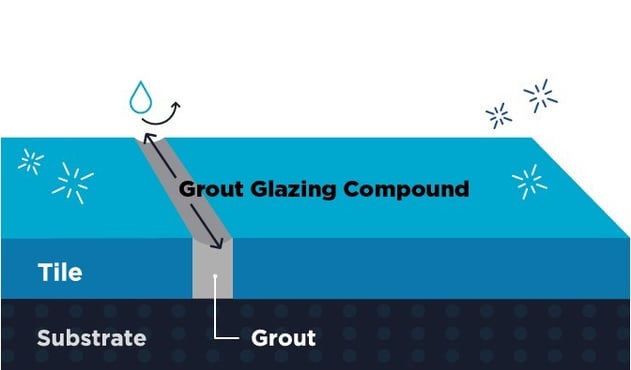
Next, a specially formulated Grout Glazing Compound is applied to the existing grout joints. This restorative bonding process:
● Restores grout to a like-new appearance
● Creates consistent grout color
● Protects grout from moisture penetration
By sealing the grout with a durable overlay, the porous surface that once absorbed contaminants becomes far more resistant to staining and soiling.
Step 3: Protective Surface Coating
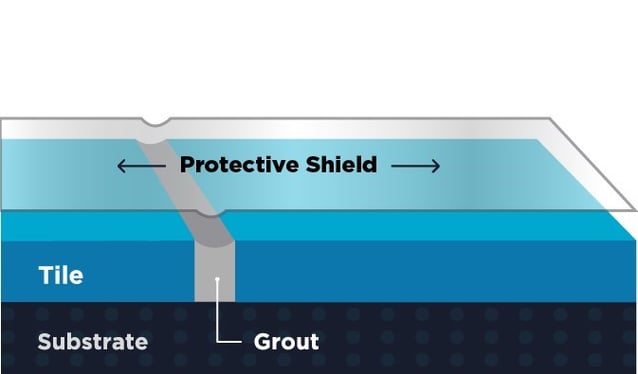
In the final step, a proprietary protective coating is applied across the entire tile and grout surface. These durable coatings are available in two options:
● Clear coatings that restore the original color and luster of the tile
● Tinted coatings that add new color and vibrancy to the surface
Both options provide an additional layer of protection that shields tile and grout from moisture, contaminants, and everyday wear. The result is a surface that looks renewed while being significantly easier to maintain.
The Result: Cleaner, Easier-to-Maintain Surfaces
Once the protective coatings are installed, contaminants can no longer penetrate the surface the way they once did. Instead, soil remains on the surface where it can be easily removed during routine cleaning.
While the SaniGLAZE process does not prevent dirt from accumulating, it prevents that dirt from embedding into grout and tile surfaces.
This means:
● Cleaning becomes faster and more effective
● Harsh chemicals can often be replaced with environmentally safe, biodegradable cleaners
● Surfaces remain sanitary and maintain their appearance longer
The result is a tile and grout surface that not only looks better but is also far easier to maintain over time.
Which SaniGLAZE Process Is Right for Your Facility?
Every tile and grout surface is different. Factors like traffic levels, existing wear, moisture exposure, and aesthetic goals all influence the best restoration approach.
That’s why SaniGLAZE offers multiple restoration systems designed to meet different facility needs. Whether the goal is restoring grout lines, enhancing durability, or completely transforming the look of the surface, there is a process designed to deliver the right level of protection and performance.
Each SaniGLAZE system begins with the same critical foundation: thorough surface preparation and contaminant extraction to ensure long-lasting bonding and protection.
To explore the different restoration options and determine which process may be best for your facility, visit our guide:
→ Which SaniGLAZE Process Is Right For You?
Or schedule a consultation with a SaniGLAZE specialist to evaluate your tile and grout surfaces and recommend the best solution.
A Smarter Alternative to Replacement
Replacing tile and grout can be costly, disruptive, and time-consuming. Restoration offers a practical alternative that can extend the life of existing surfaces while improving both appearance and maintainability.
The SaniGLAZE process combines deep cleaning, restorative bonding, and protective coatings to create surfaces that are cleaner, more durable, and easier to maintain for years to come.
Schedule a Consultation
If your tile and grout surfaces are showing signs of wear, restoration may be the solution. A SaniGLAZE consultation can help determine the best process for your facility and restore your surfaces to a cleaner, more maintainable condition.
Frequently Asked Questions About the SaniGLAZE Tile and Grout Restoration Process
What is the SaniGLAZE process?
The SaniGLAZE process is a multi-step tile and grout restoration system designed to clean, restore, and protect existing tile and grout surfaces. Instead of simply cleaning the surface, the process addresses embedded soil, stained grout, moisture penetration, odors, and long-term maintenance challenges.
How does the SaniGLAZE process work?
The SaniGLAZE process typically includes three major steps: deep cleaning and extraction, grout restoration, and protective surface coating. First, embedded soils and contaminants are removed. Next, grout lines are restored with a specialized grout glazing compound. Finally, a protective coating is applied to help shield the tile and grout from moisture, contaminants, and daily wear.
Why does grout become stained and difficult to clean?
Grout is naturally porous, which means dirt, bacteria, moisture, cleaning chemicals, and other contaminants can penetrate below the surface over time. Once contaminants become embedded in the grout, normal cleaning may remove surface dirt but often cannot fully remove deep staining, odors, or discoloration.
Is SaniGLAZE just a deep cleaning service?
No. SaniGLAZE is more than a deep cleaning service. Deep cleaning is only the first step. The full process also restores the grout and applies a protective coating system so the surface becomes easier to clean and more resistant to future staining, soiling, moisture intrusion, and deterioration.
What happens during the deep cleaning and extraction step?
During the deep cleaning and extraction step, SaniGLAZE removes embedded soils, stains, odors, residues, and contaminants from the tile and grout. This prepares the surface for the restoration and protective coating steps that follow. Proper preparation is critical for long-term bonding and performance.
What is grout restoration?
Grout restoration is the process of renewing existing grout lines without fully removing and replacing all of the grout. SaniGLAZE applies a specially formulated Grout Glazing Compound that restores grout color, improves appearance, helps protect against moisture penetration, and creates a more consistent, maintainable surface.
Does SaniGLAZE replace grout?
SaniGLAZE does not always require full grout replacement. In many cases, the existing grout can be restored when it is structurally sound. Damaged, missing, cracked, or failed grout may need repair before restoration, but the goal is often to preserve and protect the existing tile and grout system rather than demolish it.
What does the protective surface coating do?
The protective surface coating creates a durable barrier over the restored tile and grout surface. It helps prevent moisture, contaminants, and soils from penetrating into porous grout lines and worn surfaces. This makes the floor or wall easier to clean during routine maintenance.
Can SaniGLAZE change the color of tile and grout?
Yes. Depending on the selected process, SaniGLAZE can restore the original appearance of tile and grout or use tinted coatings to add new color and vibrancy. This allows facilities to refresh outdated surfaces without full replacement.
Does the SaniGLAZE process prevent dirt from getting on the floor?
No. Dirt can still accumulate on any floor or wall surface. The difference is that the SaniGLAZE process helps keep dirt and contaminants on the surface instead of allowing them to embed into porous grout and worn tile. This makes routine cleaning faster and more effective.
Is SaniGLAZE easier to maintain than untreated grout?
Yes. Once the tile and grout are restored and protected, routine cleaning becomes easier because soils are less likely to penetrate into the surface. Facilities may also be able to reduce reliance on harsh chemicals and use safer, more sustainable cleaning procedures when appropriate.
What types of facilities benefit from the SaniGLAZE process?
The SaniGLAZE process is useful in commercial restrooms, locker rooms, showers, kitchens, cafeterias, healthcare facilities, schools, universities, government buildings, hospitality properties, fitness centers, transportation facilities, and other high-traffic environments with tile and grout surfaces.
Is SaniGLAZE a good alternative to tile replacement?
Yes. When the existing tile and grout are good candidates for restoration, SaniGLAZE can be a practical alternative to replacement. Restoration can help reduce demolition, downtime, dust, noise, material waste, and disruption while extending the life of the existing surface.
How do I know which SaniGLAZE process is right for my facility?
The right SaniGLAZE process depends on the condition of the tile and grout, traffic levels, moisture exposure, cleaning challenges, appearance goals, budget, and operational schedule. A SaniGLAZE Service Provider can evaluate the surface and recommend the appropriate restoration system.
When is replacement better than restoration?
Replacement may be necessary when the tile is loose, the substrate is failing, moisture damage is severe, the surface is structurally compromised, or large areas are broken beyond practical repair. A professional evaluation can determine whether restoration or replacement is the better long-term option.