
 Schedule a Consultation!
Key Takeaways: How to Choose Bonded Tile Restoration Services
- Bonded tile restoration extends surface life by 10 to 15 years while avoiding the cost and disruption of full replacement projects.
- Evaluate contractors based on proprietary processes, technician recertification requirements, and documented experience with public facilities.
- SaniGLAZE delivers proven bonded restoration through state-of-the-art Treatment Processes designed for government and commercial environments.
- Prioritize vendors who demonstrate compliance expertise with GSA, OSHA, and ADA standards for public building maintenance.
- Request case studies, warranties, and lifecycle cost analyses before selecting any commercial tile restoration provider.
What Is Bonded Tile Restoration and Why Does It Matter for Public Buildings?
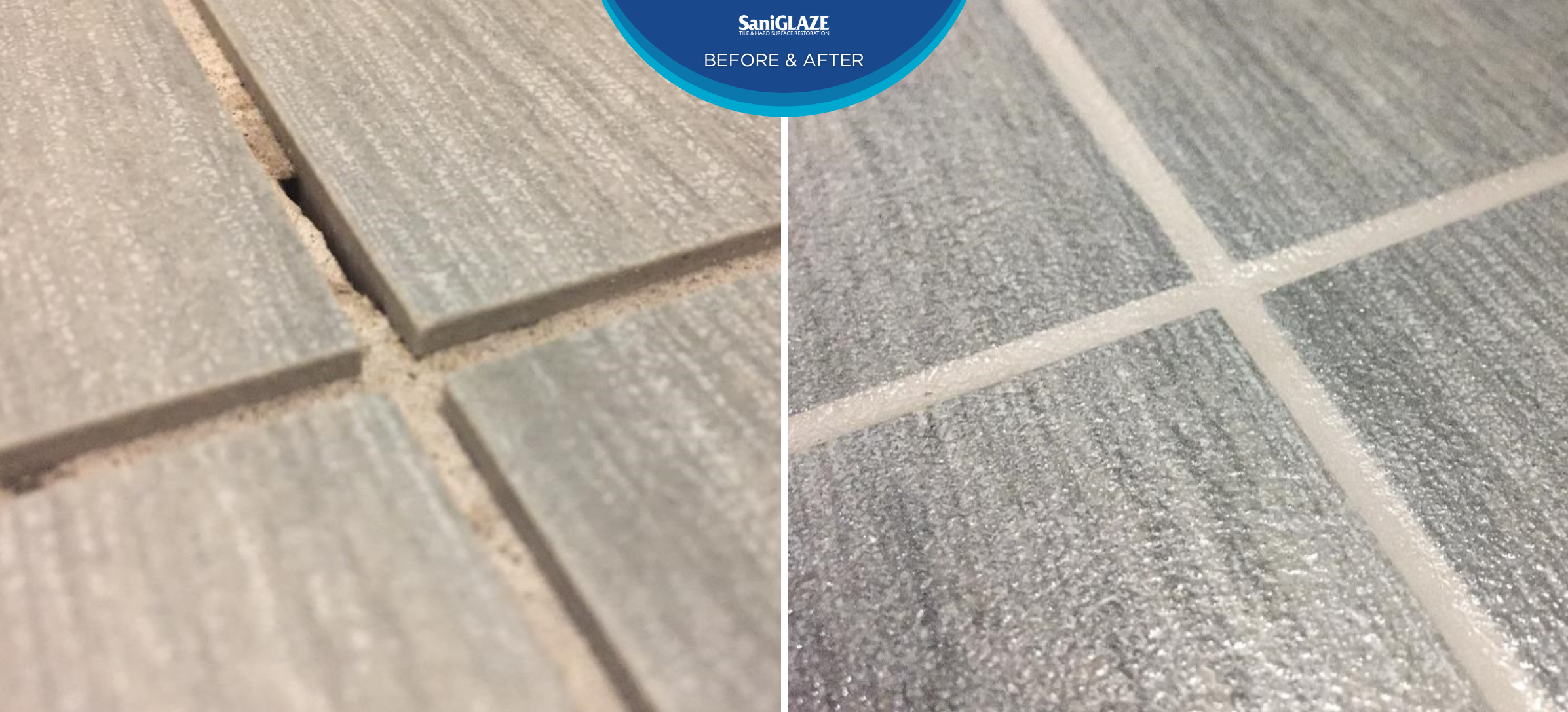
Bonded tile restoration is a specialized Treatment Process that restores and protects existing tile and grout surfaces without demolition. Unlike surface-level cleaning, this approach creates a permanent molecular bond between the protective coating and the substrate. The result is a durable, sealed surface that resists moisture, stains, and bacterial growth.
For public building facility managers, this distinction is critical. Courthouses, municipal offices, schools, and government complexes experience constant foot traffic. Traditional replacement projects require facility closures, generate construction waste, and consume significant capital budgets.
Bonded restoration offers a different path. Your existing tile infrastructure remains in place while certified Service Providers apply proprietary coatings that restore appearance and extend surface life. This approach typically costs 60 to 80 percent less than full replacement while reducing project timelines from weeks to days.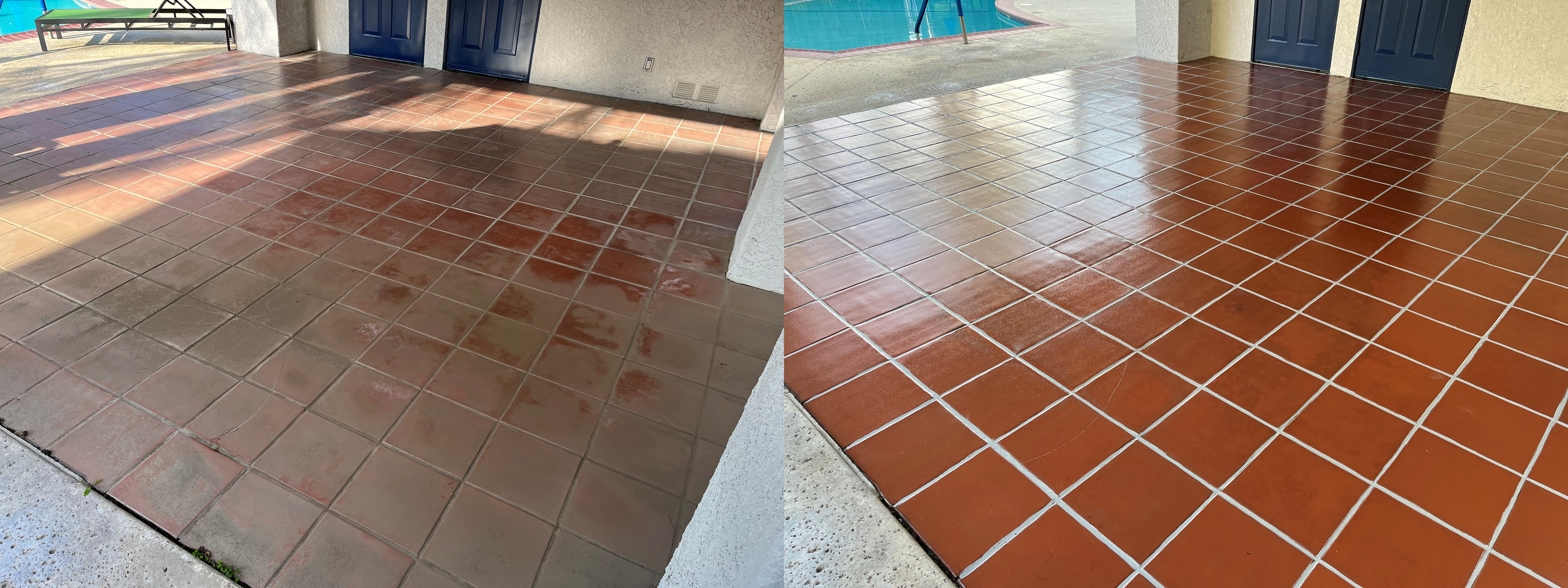
How Does Bonded Tile Restoration Differ from Standard Tile Cleaning?
Standard tile cleaning removes surface dirt and debris. Grout lines may appear temporarily brighter, but the porous substrate remains vulnerable to recontamination. Moisture, bacteria, and odors quickly return because the underlying porosity remains unchanged.
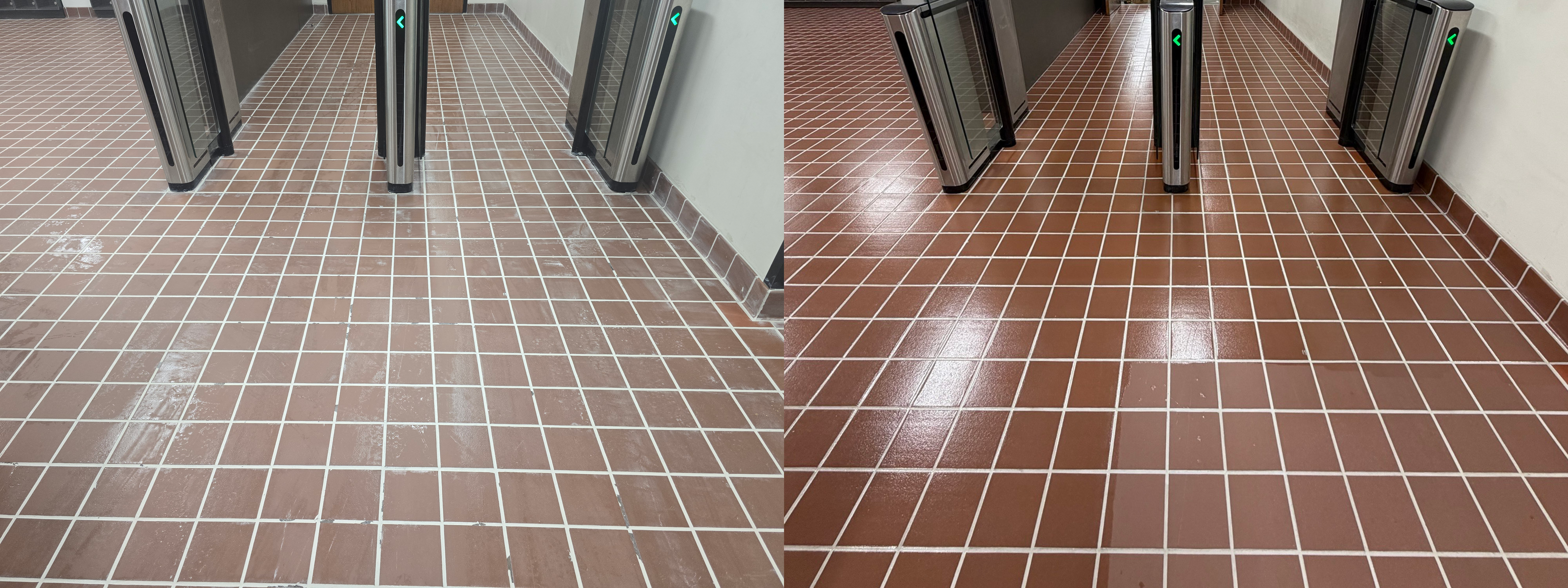
Bonded tile restoration addresses the root cause. The process begins with deep extraction of contaminants embedded in tile and grout. Specialized preparation solutions open the pores of grout lines, allowing protective coatings to penetrate at the molecular level.
The final step applies an Advanced Protective Finish that seals surfaces permanently. This creates a non-porous barrier that prevents future contamination. Facilities experience lasting results rather than temporary improvements..jpg?width=1500&height=785&name=EnduraGLAZE%20-%20Mens%20Restroom%20-%20office%20(7).jpg)
Why Standard Cleaning Falls Short in Government Facilities
Public restrooms, locker rooms, and high-traffic corridors present unique challenges. Heavy use means surfaces endure constant exposure to moisture, cleaning chemicals, and foot traffic. Standard cleaning creates a cycle of diminishing returns where surfaces degrade faster than maintenance can address.
Bonded restoration breaks this cycle. Once surfaces are properly restored and sealed, routine custodial practices become more effective. Staff spend less time scrubbing grout lines because the sealed surface repels contaminants instead of absorbing them.
What Qualifications Should You Look for in a Tile Restoration Contractor?
Selecting the right contractor determines whether your restoration project delivers lasting value or temporary results. Not all restoration providers operate at the same standard. Some apply generic coatings without proper surface preparation. Others lack the training and quality controls necessary for commercial environments.
Annual Recertification Requirements
Ask potential contractors about their recertification process. Reputable providers require technicians to recertify annually on application techniques, safety protocols, and product specifications. This ongoing training ensures consistent results across every project.
SaniGLAZE Service Providers go through recertification each year, demonstrating commitment to quality control that generic contractors cannot match. This systematic approach protects your investment and ensures proper application every time.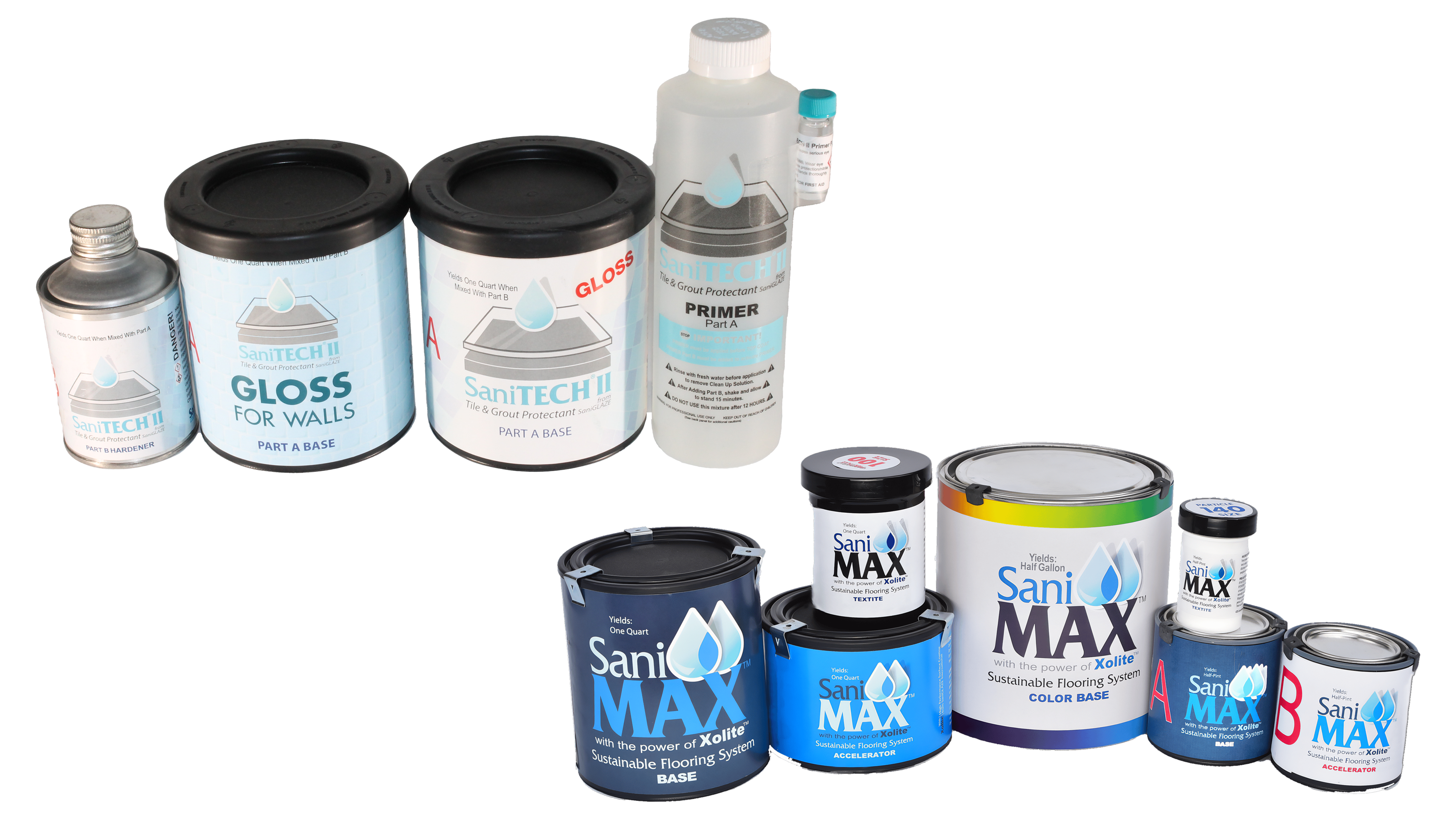
Proprietary Processes vs. Off-the-Shelf Products
Generic contractors often purchase coatings from wholesale suppliers and apply them without standardized methods. Results vary widely depending on the technician's skill level and the quality of surface preparation.
In contrast, proprietary Treatment Processes integrate state-of-the-art products with proven application techniques. Both the products and the techniques used by Service Providers have been designed and tested to work together in harmony. This systematic integration delivers consistent, predictable outcomes.
Experience with Public Sector Facilities
Government buildings present distinct requirements. Compliance with GSA facilities standards, OSHA safety regulations, and ADA accessibility guidelines shapes every project. Contractors without public sector experience may lack the documentation practices and compliance awareness your facility requires.
Request references from similar government facilities. Ask specifically about the contractor's ability to work around operational schedules, coordinate with procurement offices, and meet documentation requirements for public projects..jpg?width=2400&height=1256&name=EnduraGLAZE_Locker%20Room_No%20Logo%20(2).jpg)
How to Evaluate Process Quality and Durability Standards
Beyond contractor qualifications, the restoration process itself determines long-term outcomes. Several factors distinguish high-performance Treatment Processes from standard approaches.
Surface Preparation Protocols
Proper surface preparation is the foundation of lasting restoration. The process should include contaminant extraction, grout cleaning, and pore-opening treatments before any coatings are applied. Skipping or shortening these steps compromises adhesion and durability.
Ask contractors to explain their preparation sequence in detail. How do they address years of embedded soil in grout lines? What products do they use to remove oils and residues? How do they ensure optimal surface porosity for coating adhesion?
Coating System Components
Effective bonded restoration typically involves multiple coating layers working together. Grout coatings restore color uniformity and seal porous grout lines. Surface coatings protect tile faces from staining and wear. Topcoats add durability and chemical resistance for demanding environments.
SaniGLAZE Treatment Processes combine these elements into integrated systems. EnduraGLAZE is the flagship restoration process that restores tile and grout to like-new condition while adding long-term protection. ChromaGLAZE offers complete color transformation when appearance updates are needed.
Slip Resistance and Safety Compliance
Public facilities must maintain appropriate slip resistance to meet OSHA requirements and reduce liability exposure. Ask contractors how their coatings affect coefficient of friction (COF) values. Some generic coatings create slick surfaces that increase fall risks.
Quality Treatment Processes address this concern directly. Texture-enhancing additives can be integrated into coating systems to maintain or improve slip resistance without sacrificing appearance. This balance between safety and aesthetics is essential for public facilities..jpg?width=2500&height=1308&name=EnduraGLAZE%20-%20Office%20of%20Education%20Bathroom%20(1).jpg)
What Questions Should You Ask About Downtime and Operational Continuity?
Public buildings cannot simply close for extended periods. Courts must remain in session. Schools need functional restrooms. Government offices serve citizens daily. Any restoration project must accommodate these operational realities.
Project Timeline and Phasing
Request detailed project schedules that show exactly how work will be phased. Can restrooms be restored one at a time while others remain in service? What are the cure times before surfaces can handle foot traffic? How does weather or humidity affect the schedule?
Experienced contractors develop phased approaches that minimize disruption. They understand that closing an entire restroom wing for two weeks creates unacceptable operational burdens. Instead, they work room by room or floor by floor to maintain facility function throughout the project.
Cure Times and Return to Service
Different coating systems require different cure times. Some products can handle light foot traffic within hours. Full cure may take 24 to 72 hours depending on environmental conditions. Understanding these timelines helps you plan operational adjustments.
Ask contractors to specify minimum cure times before surfaces can accept foot traffic, cleaning, and normal use. Get these commitments in writing as part of your project specifications.
Work Schedule Flexibility
Can the contractor work nights and weekends to minimize disruption during business hours? Do they have experience with facilities that operate around the clock? Government facilities often require this flexibility, and not all contractors can accommodate it.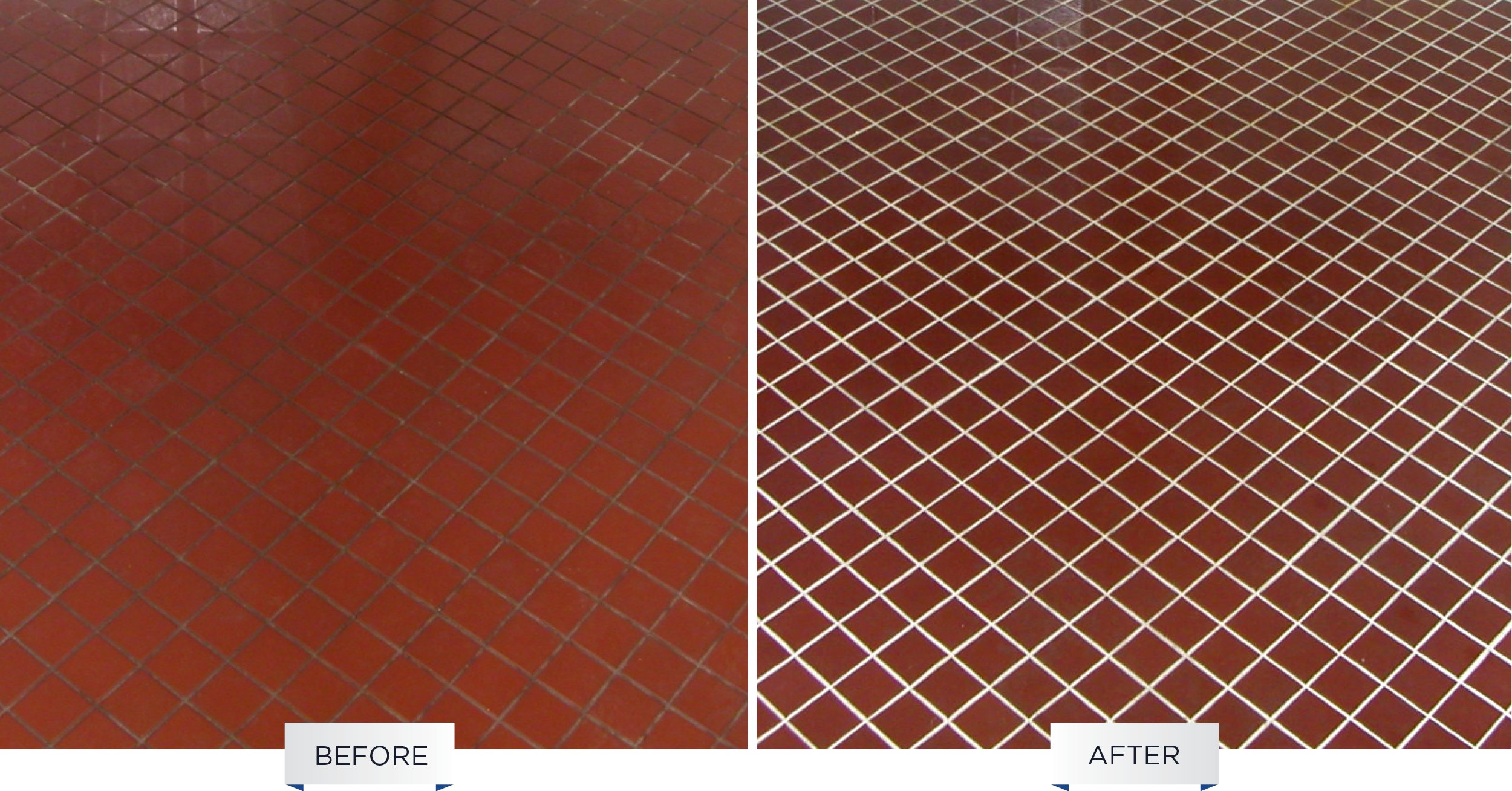
How to Compare Lifecycle Costs Between Restoration and Replacement
Initial project costs represent only part of the financial picture. Smart procurement officers evaluate total lifecycle costs including future maintenance, expected lifespan, and operational impacts.
Initial Project Cost Comparison
Full tile replacement in a typical public restroom can cost several times more than bonded restoration. Replacement projects include demolition, disposal, new materials, installation labor, and extended facility closures. Restoration eliminates most of these costs.
Request detailed quotes for both approaches. Include all indirect costs such as temporary facility arrangements, staff overtime for extended closures, and productivity losses during construction periods.
Expected Lifespan and Maintenance Requirements
Quality bonded restoration typically extends surface life by 10 to 15 years. During this period, routine maintenance becomes simpler because sealed surfaces resist staining and contamination. Custodial staff can maintain surfaces with standard cleaning rather than intensive scrubbing.
Compare this to replacement. New tile begins aging immediately. Grout lines start absorbing contaminants from day one. Within a few years, the same maintenance challenges return, potentially requiring another restoration cycle.
Environmental and Sustainability Considerations
Government facilities increasingly prioritize sustainable procurement. Bonded restoration supports these goals by eliminating demolition waste. Existing tile remains in place rather than ending up in landfills. This approach aligns with federal sustainability mandates and green building initiatives.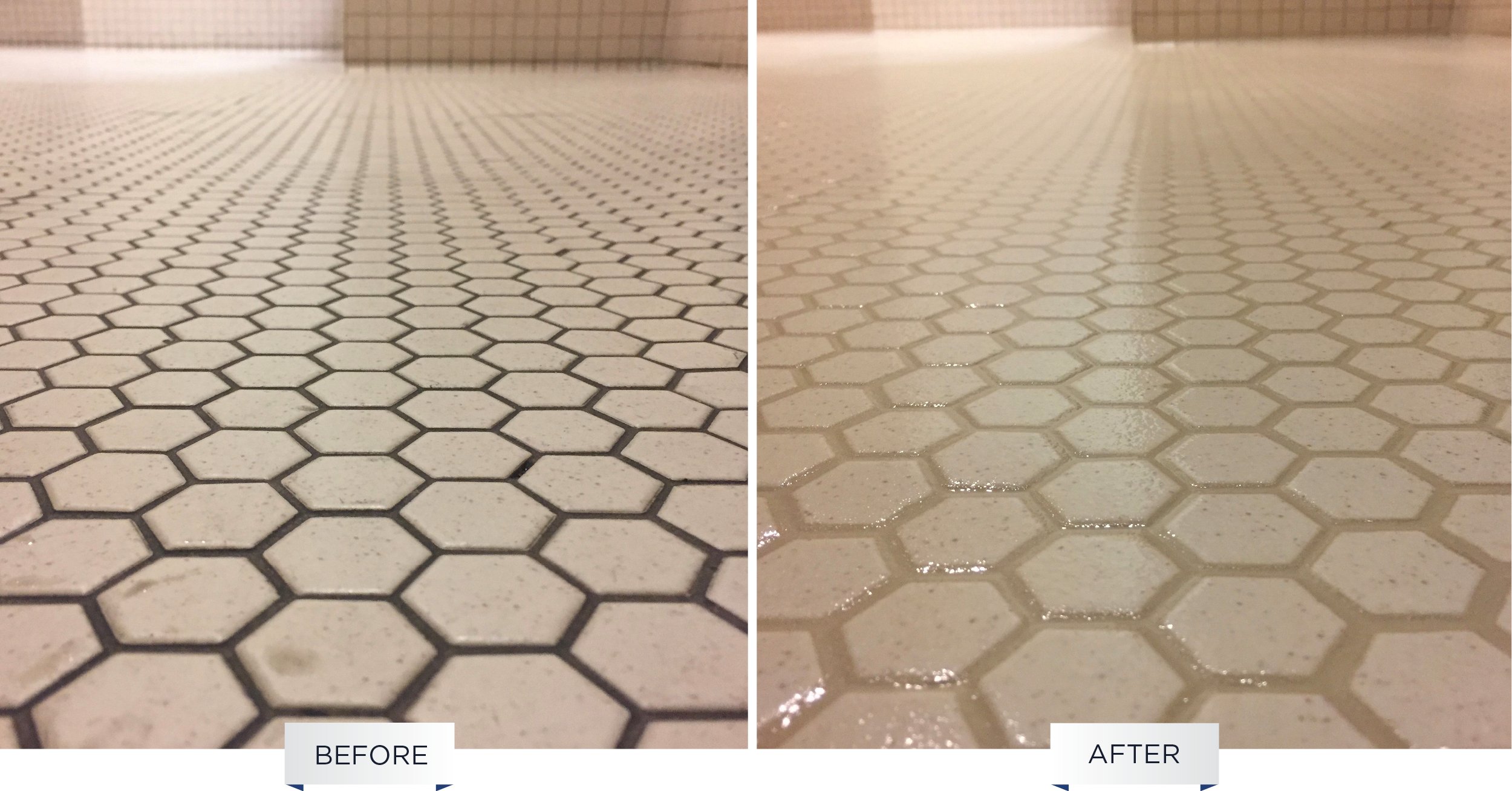
What Warranties and Guarantees Should You Expect?
Warranty terms reveal contractor confidence in their work. Strong warranties indicate commitment to quality and accountability for results. Weak or limited warranties suggest uncertainty about durability.
Coverage Scope and Duration
Ask specifically what the warranty covers. Does it include coating adhesion, color stability, and performance characteristics? Are there exclusions for damage from improper cleaning or unusual wear patterns? How long does coverage last?
Quality restoration providers offer multi-year warranties because they stand behind their processes. Generic contractors may offer minimal coverage or none at all.
Service Response and Remediation
What happens if a problem develops during the warranty period? How quickly will the contractor respond? Will they remediate issues at no additional cost? Understanding the service commitment helps you evaluate true warranty value.
SaniGLAZE maintains a nationwide network of certified Service Providers, ensuring responsive support regardless of facility location. This infrastructure distinguishes systematic operations from individual contractors who may be difficult to reach after project completion.
How to Structure Your Vendor Evaluation Process
Systematic vendor evaluation protects your investment and ensures you select the right partner. Following a structured process helps you compare options objectively and avoid common selection mistakes.
Step 1: Define Your Requirements
Before requesting quotes, document your specific requirements. What surfaces need restoration? What are your timeline constraints? What compliance standards must be met? What budget parameters exist? Clear requirements enable accurate proposals and fair comparisons.
Step 2: Request Detailed Proposals
Ask potential contractors to submit detailed proposals that address all your requirements. Proposals should include surface preparation methods, coating specifications, project schedules, warranty terms, and references from similar facilities.
Vague proposals that lack specificity often indicate contractors who lack the expertise or systems to deliver consistent results.
Step 3: Verify Qualifications and References
Contact the references provided. Ask specifically about project outcomes, schedule adherence, and long-term satisfaction. Visit completed projects if possible to see results firsthand. Verify insurance coverage and any required licenses or certifications.
Step 4: Conduct Site Assessments
Invite your top candidates to conduct site assessments. Their approach to evaluating your surfaces reveals their technical expertise. Do they identify specific challenges and propose targeted solutions? Or do they offer generic approaches regardless of conditions?
Step 5: Compare Total Value
Evaluate proposals based on total value rather than lowest price alone. Consider process quality, expected durability, warranty terms, contractor expertise, and operational impact. The lowest bid may not deliver the best long-term outcome.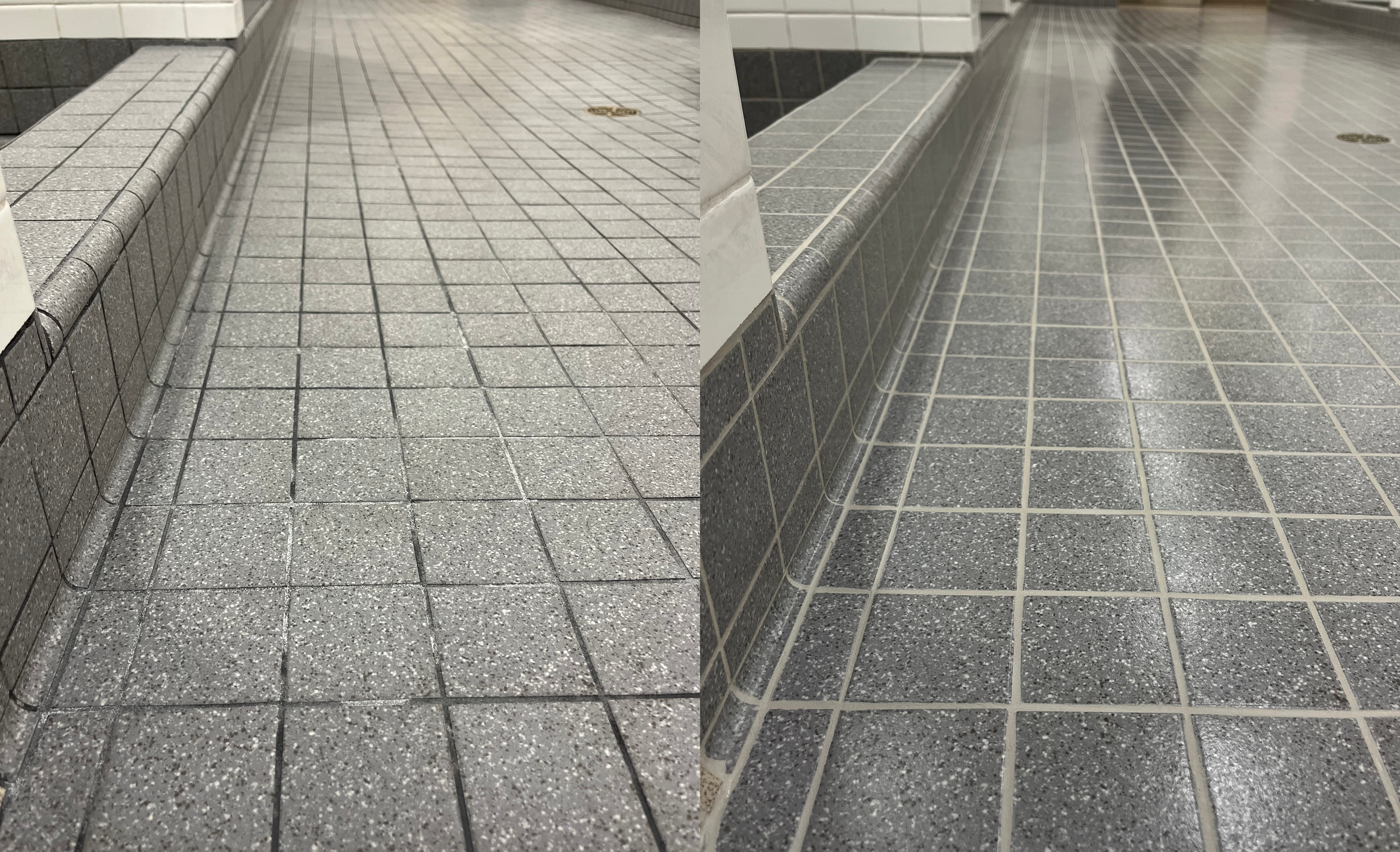
What Role Does Compliance Play in Public Building Tile Restoration?
Public facilities operate under regulatory frameworks that shape maintenance decisions. Understanding compliance requirements helps you evaluate whether contractors can meet your facility's specific needs.
GSA Standards for Federal Facilities
Federal buildings must comply with General Services Administration standards for maintenance and renovation projects. These standards address everything from procurement procedures to product specifications. Contractors working in federal facilities need familiarity with these requirements.
Ask contractors about their experience with GSA projects. Have they worked with federal procurement officers? Do they understand pre-negotiated pricing arrangements and documentation requirements for government contracts?
OSHA Safety Requirements
Restoration projects must maintain safe conditions for workers and building occupants. This includes proper ventilation, appropriate personal protective equipment, and compliance with chemical safety requirements. Contractors should demonstrate systematic safety protocols.
ADA Accessibility Considerations
Restoration projects must maintain or improve accessibility compliance. Surface treatments should not create tripping hazards or reduce slip resistance below acceptable thresholds. Color changes should maintain appropriate visual contrast for wayfinding and safety signage.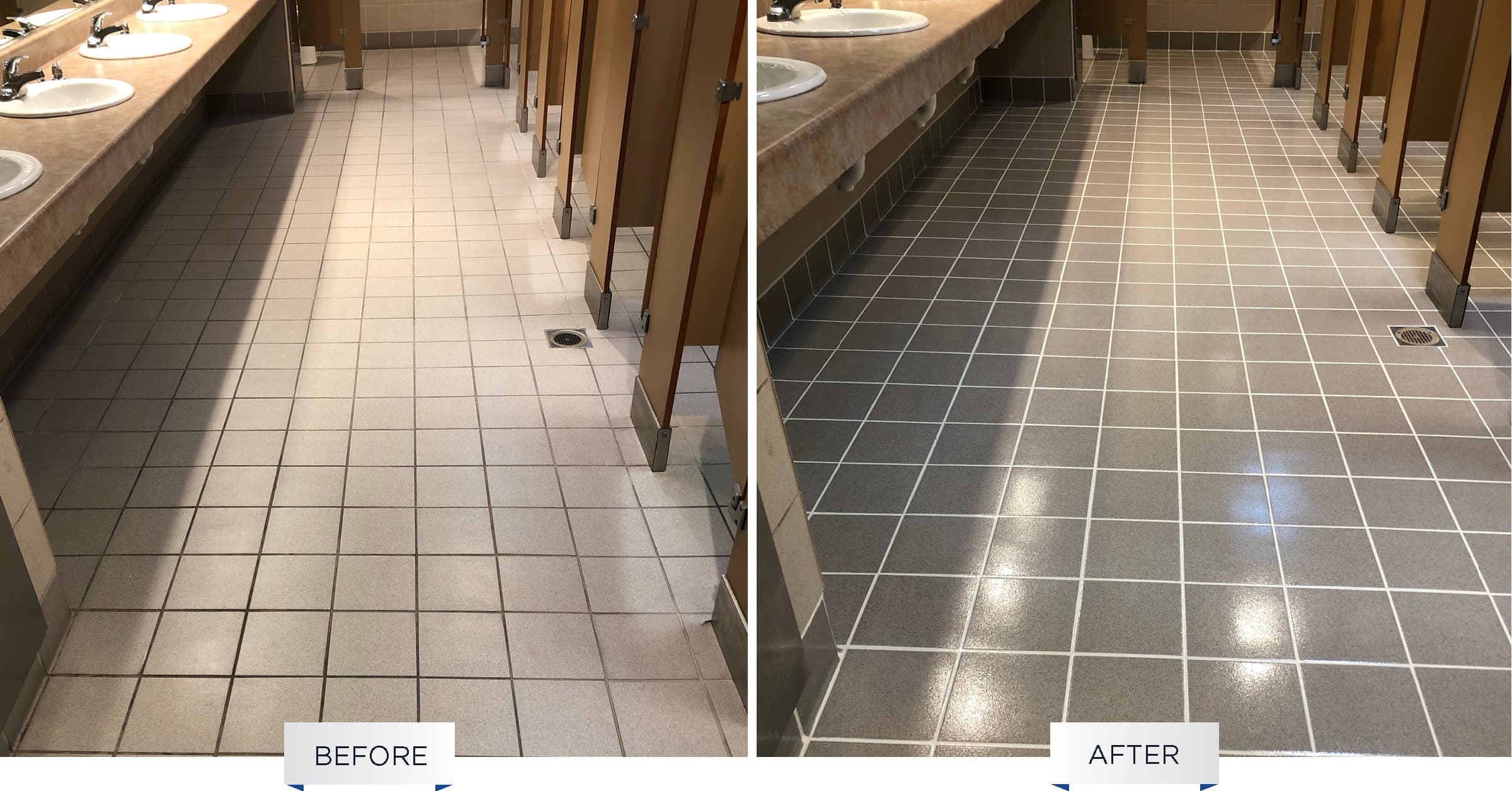
How SaniGLAZE Serves Public Building Facility Managers
SaniGLAZE has delivered tile and grout restoration solutions to government facilities, schools, and public buildings for over two decades. This experience shapes every aspect of our Treatment Processes and Service Provider network.
Proven Public Sector Expertise
The quality of SaniGLAZE Processes is known across the country because both products and techniques have been designed and tested to work together. This systematic approach delivers predictable results that public facilities require.
Government facility managers benefit from pre-negotiated GSA pricing that streamlines procurement. Service Providers understand documentation requirements, compliance standards, and the operational constraints of public buildings.
State-of-the-Art Treatment Processes
Each SaniGLAZE Treatment Process combines state-of-the-art products and systematic application methods, backed by 20 years of experience to create innovative alternatives to floor replacement. From flagship processes like EnduraGLAZE to specialized solutions like GroutGLAZE, options exist for every restoration need.
Nationwide Service Provider Network
SaniGLAZE maintains certified Service Providers across the United States, ensuring consistent quality regardless of facility location. This national presence supports multi-site government agencies and large facility portfolios with uniform standards and responsive service.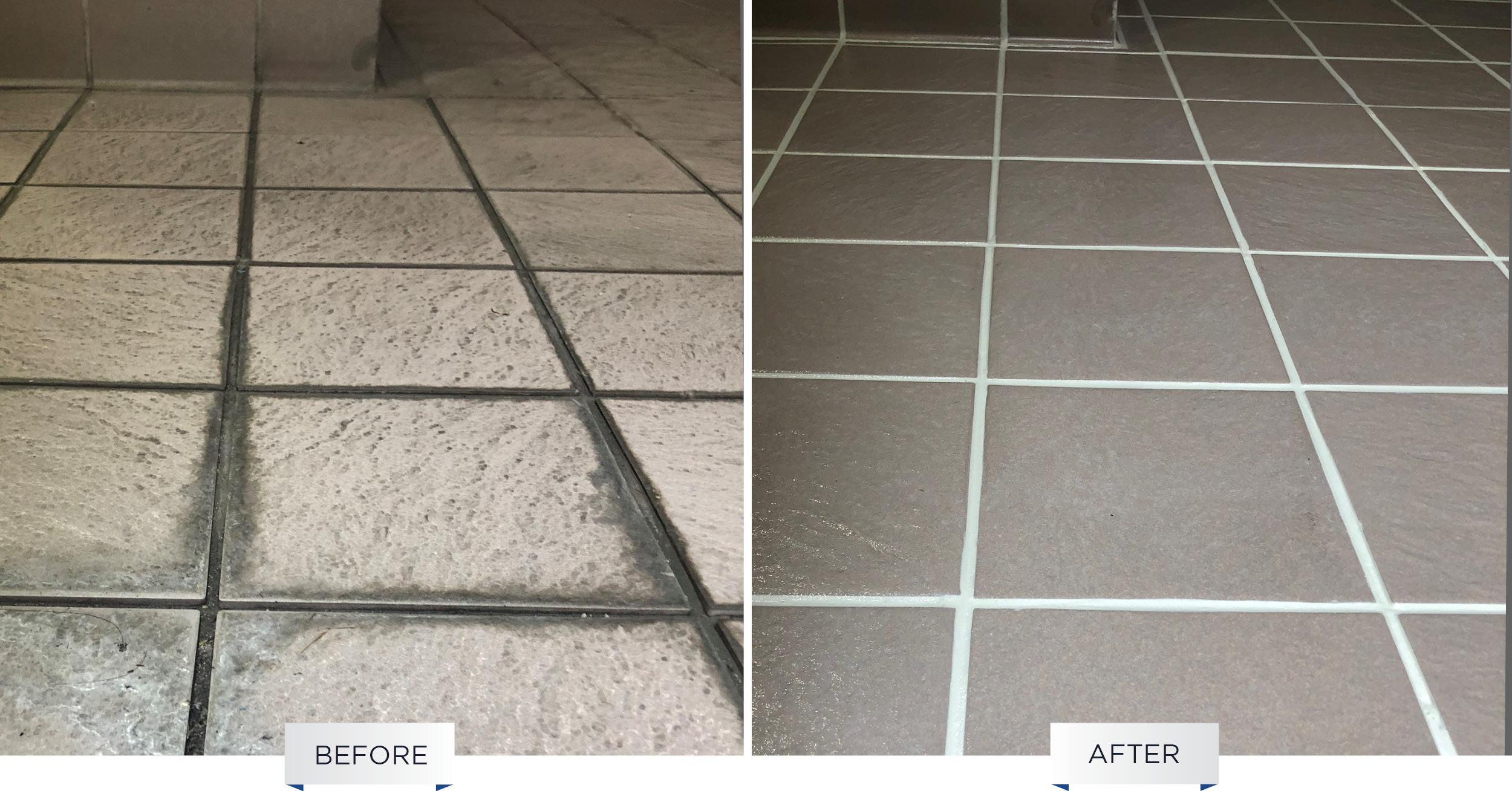
Conclusion: Making the Right Choice for Your Public Facility
Selecting a bonded tile restoration provider requires careful evaluation of qualifications, processes, and track records. Public building facility managers face unique challenges that demand contractors with relevant experience and systematic quality controls.
Focus your evaluation on the criteria outlined in this guide. Verify contractor certifications and recertification practices. Examine process quality and coating specifications. Request references from similar government facilities. Compare total lifecycle costs rather than initial bids alone.
The right partner delivers lasting value through restored surfaces that perform for years while reducing maintenance demands on your staff. That partnership begins with informed evaluation and clear requirements..jpg?width=2500&height=1308&name=EnduraGLAZE%20-%20Restroom%20-%20Close%20Up%20-%20No%20Logo%20(2).jpg)
FAQs About How to Choose Bonded Tile Restoration Services
What is the difference between bonded tile restoration and tile resurfacing?
Bonded tile restoration creates a permanent molecular bond between protective coatings and existing surfaces. Resurfacing typically refers to cosmetic topcoats that sit on surfaces without deep penetration. SaniGLAZE Treatment Processes penetrate grout at the molecular level, creating durable protection that outlasts surface-only approaches.
How long does bonded tile restoration last in high-traffic government facilities?
Quality bonded restoration typically extends surface life by 10 to 15 years in commercial and government environments. SaniGLAZE Treatment Processes create sealed, non-porous surfaces that resist the wear patterns common in public buildings while making routine maintenance more effective.
Can bonded tile restoration be performed while the facility remains operational?
Yes. Experienced contractors phase work to maintain facility operations. SaniGLAZE Service Providers routinely work around operational schedules in courthouses, schools, and government offices. Surfaces typically return to service within hours to days depending on the specific Treatment Process used.
What certifications should a commercial tile restoration contractor hold?
Look for contractors with documented training programs, annual recertification requirements, and experience with public sector compliance standards. SaniGLAZE Service Providers complete initial certification training and annual recertification to maintain consistent quality across all projects.
How does bonded tile restoration support sustainability goals in government facilities?
Bonded restoration eliminates demolition waste by restoring existing surfaces rather than replacing them. This approach keeps tile out of landfills and reduces the environmental impact of facility maintenance. SaniGLAZE Treatment Processes align with federal sustainability mandates and green building initiatives.
What warranty coverage should you expect from a tile restoration provider?
Quality providers offer multi-year warranties covering coating adhesion, performance characteristics, and workmanship. SaniGLAZE backs Treatment Processes with warranty coverage supported by a nationwide Service Provider network for responsive issue resolution.
How do you evaluate the total cost of tile restoration versus replacement?
Compare initial project costs, expected lifespan, ongoing maintenance requirements, and operational impacts. Bonded restoration typically costs 60 to 80 percent less than replacement while extending surface life significantly. SaniGLAZE helps facility managers develop lifecycle cost analyses for informed procurement decisions.