
 Schedule a Consultation!
Selecting the right tile restoration partner for your government or municipal facility is one of the most consequential decisions you will make as a facility manager. The wrong choice leads to premature surface failure, compliance headaches, and repeated expenditures. The right choice delivers durable, hygienic surfaces that serve the public for years.
This guide walks you through every criterion that matters when evaluating commercial tile restoration vendors. SaniGLAZE brings over 20 years of experience in tile and hard surface restoration across government buildings, schools, and municipal facilities throughout the U.S. and Canada. By the end, you will have a clear framework for assessing capabilities, compliance, service coverage, durability, and disruption control.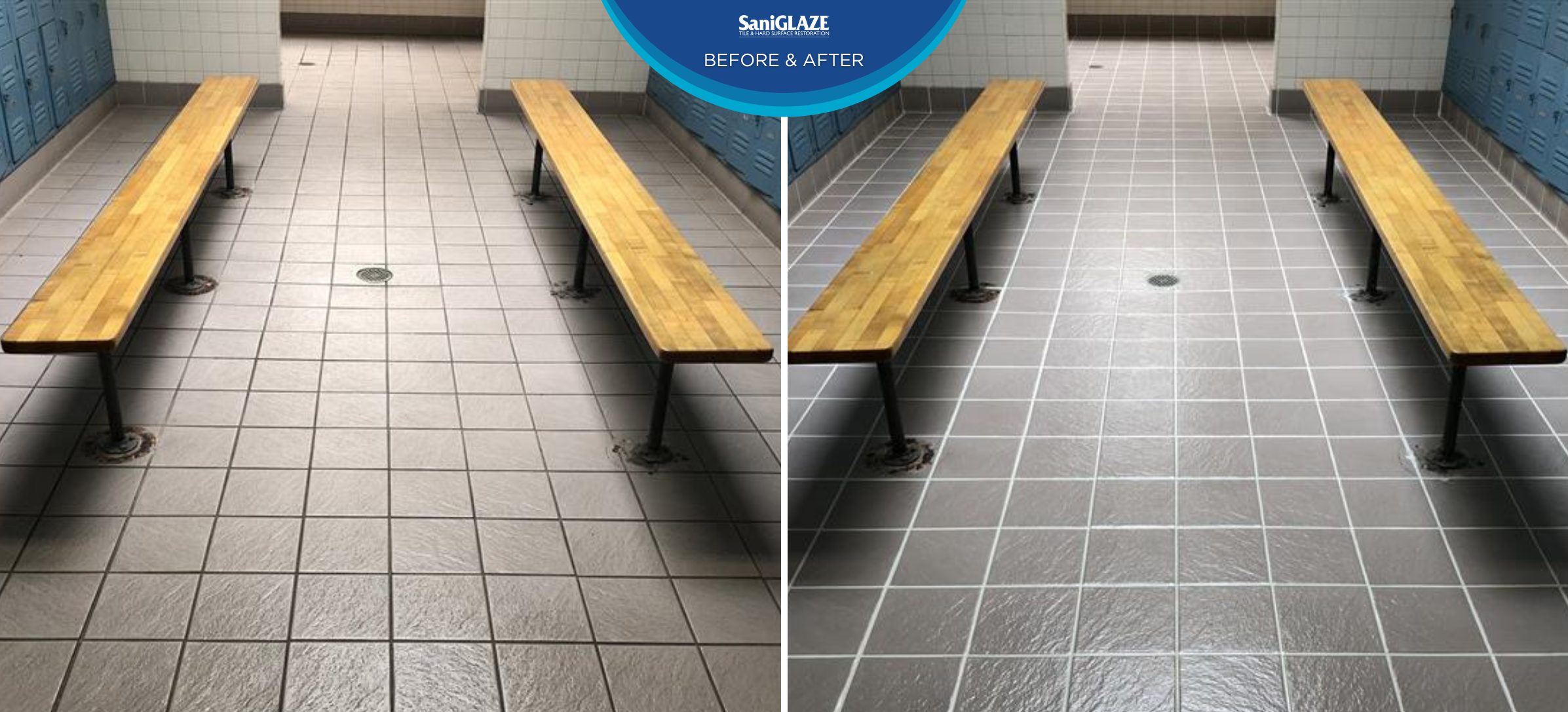
Key Takeaways: How to Evaluate Government Tile Restoration Vendors
- Verify that vendors hold proper licensing, bonding, and insurance for government and municipal facility work in your jurisdiction.
- Require documented compliance with GSA, OSHA, and ADA standards before awarding any tile restoration contract.
- SaniGLAZE delivers state-of-the-art Treatment Processes backed by 20 years of experience in government building restoration.
- Evaluate durability guarantees and lifecycle extension claims to ensure long-term surface protection and reduced maintenance costs.
- Assess disruption control capabilities to minimize operational downtime during restoration projects in active public facilities.
What Is Commercial Tile Restoration for Government Buildings?
Commercial tile restoration refers to the process of renewing worn, stained, or damaged tile and grout surfaces to like-new condition without the cost and disruption of full replacement. For government and municipal buildings, this means restoring restrooms, lobbies, cafeterias, and high-traffic corridors to meet public health and safety standards.
The distinction between restoration and replacement matters for public facilities. Restoration preserves existing infrastructure while enhancing hygiene, appearance, and durability. This approach aligns with sustainability goals by reducing demolition waste and landfill burden.
Government facilities face unique challenges. Heavy foot traffic, strict sanitation requirements, and public scrutiny demand surfaces that perform under demanding conditions. A qualified restoration vendor understands these requirements and designs solutions accordingly.
Why Government Facilities Need Specialized Tile Restoration Vendors
Public buildings operate under different rules than private commercial spaces. Your vendor must understand the regulatory environment, procurement processes, and operational constraints specific to government work.
Compliance and Regulatory Requirements
Government facilities must meet OSHA standards for walking-working surfaces. These regulations require floors to be maintained in a clean, orderly, and safe condition. Restoration vendors must deliver surfaces that meet slip-resistance standards and remain free of hazards.
ADA accessibility standards also apply. Floor surfaces must be stable, firm, and slip-resistant. Changes in level must be properly treated. Your vendor should demonstrate familiarity with these requirements and show how their restoration process maintains compliance.
Public Trust and Accountability
Government facilities serve the public. The appearance of your floors directly influences citizen confidence in your institution. Stained grout, worn tile, and unsanitary surfaces send the wrong message about your commitment to public service.
Taxpayers expect their facilities to be maintained responsibly. A qualified restoration vendor helps you demonstrate fiscal responsibility by extending the life of existing surfaces rather than incurring the full cost of replacement.
What Criteria Should You Use to Evaluate Commercial Tile Restoration Vendors?
A systematic approach to vendor evaluation protects your facility and your budget. The following criteria form the foundation of a thorough assessment.
Licensing, Bonding, and Insurance Verification
Verify that any vendor you consider holds proper licensing for the type of work proposed. Contact the issuing authority to confirm licenses are current and in good standing. Some jurisdictions require specific licensing for flooring or surface restoration work.
Bonding protects you if the vendor fails to complete the work or causes damage. For government projects, bonding requirements may be more stringent than private sector work. Confirm the vendor can meet your bonding requirements before proceeding.
Insurance coverage must be adequate for the scope of work. Request certificates of insurance and verify coverage amounts for general liability, workers' compensation, and any project-specific requirements.
Experience with Government and Municipal Projects
Ask about the vendor's track record with government facilities. How many government projects have they completed? Can they demonstrate familiarity with prevailing wage requirements, security protocols, and procurement processes?
Request references from similar facilities. A vendor with experience in schools, courthouses, municipal offices, or federal buildings will better understand your operational constraints and compliance requirements.
Technical Capabilities and Treatment Processes
Not all restoration methods deliver equal results. Evaluate the specific processes and products the vendor uses. SaniGLAZE delivers proven Treatment Processes that restore tile and grout surfaces to a higher standard of clean while creating surfaces that are easier to maintain.
Ask about the science behind their approach. How do their products bond to existing surfaces? What chemical and abrasion resistance do their finishes deliver? How long will results last under heavy traffic conditions?
How to Assess Durability and Lifecycle Extension Claims
Durability claims require verification. A vendor promising long-lasting results should back those claims with documentation and guarantees.
Understanding Surface Protection Systems
Quality tile restoration goes beyond surface cleaning. The best vendors apply protective systems that seal surfaces against moisture, stains, and bacterial growth. These systems create a barrier that extends the functional life of your tile and grout.
SaniGLAZE Treatment Processes combine state-of-the-art products and systematic application methods to create durable, chemical-resistant surfaces. Service Providers go through recertification each year to ensure consistent quality and proper technique.
Warranty and Guarantee Terms
Request detailed warranty information. What specific conditions does the warranty cover? What maintenance requirements must you meet to keep the warranty valid? How does the vendor handle warranty claims?
Be cautious of vague or overly broad claims. Specific, measurable guarantees demonstrate confidence in the restoration system. A vendor willing to stand behind their work with clear terms is more likely to deliver quality results.
How to Evaluate Service Coverage Across the U.S. and Canada
For facilities with multiple locations or regional scope, service coverage matters. A vendor with nationwide or cross-border capabilities can deliver consistent results across all your properties.
National and Regional Service Networks
Ask how the vendor delivers services across different geographic areas. Do they have their own technicians in your region, or do they subcontract work? Subcontracting can lead to inconsistent quality and accountability gaps.
SaniGLAZE maintains a nationwide franchise network of certified Service Providers. This model ensures consistent brand image and process quality across the country. Each Service Provider follows standardized Treatment Processes and uses the same state-of-the-art products.
Response Time and Scheduling Flexibility
Government facilities often need work completed during specific windows. Can the vendor accommodate after-hours or weekend scheduling? How quickly can they respond to urgent restoration needs?
Discuss scheduling constraints upfront. A vendor experienced with government work will understand the need to minimize disruption to public services and can plan accordingly.
How to Minimize Operational Disruption During Tile Restoration
Public facilities cannot simply shut down for restoration work. Your vendor must have strategies to minimize disruption while delivering quality results.
Phased Work Plans and Scheduling
Experienced vendors develop phased work plans that keep portions of your facility operational while restoration proceeds in other areas. This approach requires careful coordination but allows you to maintain services throughout the project.
Ask how the vendor has handled similar projects. What strategies do they use to minimize noise, odors, and access disruptions? How do they coordinate with your staff to ensure smooth operations?
Cure Times and Return to Service
Different restoration systems have different cure times. Some products require extended drying periods before surfaces can be used. Others cure quickly and allow rapid return to service.
Understand the cure time requirements for any proposed restoration system. For high-traffic government facilities, faster cure times may justify higher costs if they reduce operational disruption.
What Questions Should You Ask Potential Tile Restoration Vendors?
Prepare a list of questions to ask every vendor you consider. Consistent questioning allows fair comparison and reveals important differences between candidates.
Questions About Training and Certification
Who will perform the work at your facility? What training have they received? Do technicians hold industry certifications? Are they employees or subcontractors?
The quality of technicians directly affects results. Vendors who invest in training and maintain certification standards demonstrate commitment to quality.
Questions About Products and Processes
What specific products will be applied to your surfaces? Are safety data sheets available? How do these products perform under the conditions present in your facility?
Understand the system being proposed. A vendor using proprietary, proven products developed specifically for tile and grout restoration will typically outperform those using generic materials.
Questions About Project Management
Who will manage your project? What communication can you expect during the work? How are problems or changes handled?
Clear project management practices prevent misunderstandings and ensure accountability. Establish expectations for communication and documentation before work begins.
How to Compare Bids and Proposals from Tile Restoration Vendors
Price should not be your only consideration when comparing proposals. The lowest bid may not deliver the durability, compliance, or quality you need.
Evaluating Total Cost of Ownership
Consider the full cost over time. A less expensive restoration that fails prematurely costs more than a quality job that lasts for years. Factor in maintenance requirements, expected lifespan, and potential for future repairs.
Ask vendors to help you understand total cost of ownership. How often will surfaces need re-treatment? What ongoing maintenance is required? How does their solution compare to the cost of full replacement?
Comparing Specifications and Scope
Ensure proposals address the same scope of work. Differences in preparation, products, or coverage area can make comparisons misleading. Request detailed specifications that allow apples-to-apples comparison.
Pay attention to what is included and what is excluded. Surface preparation, furniture moving, and waste disposal may or may not be included in quoted prices.
How SaniGLAZE Serves Government and Municipal Facilities
SaniGLAZE has built a reputation for excellence in tile and hard surface restoration across government buildings, schools, healthcare facilities, and municipal properties throughout the U.S. and Canada.
Proprietary Treatment Processes for Demanding Environments
The SaniGLAZE Treatment System is a collection of Treatment Processes that come together through state-of-the-art products delivered by expert Service Providers. Both the products and the techniques used by Service Providers have been designed and tested to work together in harmony.
EnduraGLAZE, the flagship Treatment Process, restores tile and grout surfaces to like-new condition while creating a sealed, durable, and stain-resistant surface. This process is ideal for government restrooms, lobbies, and high-traffic areas that need to maintain a professional appearance under demanding conditions.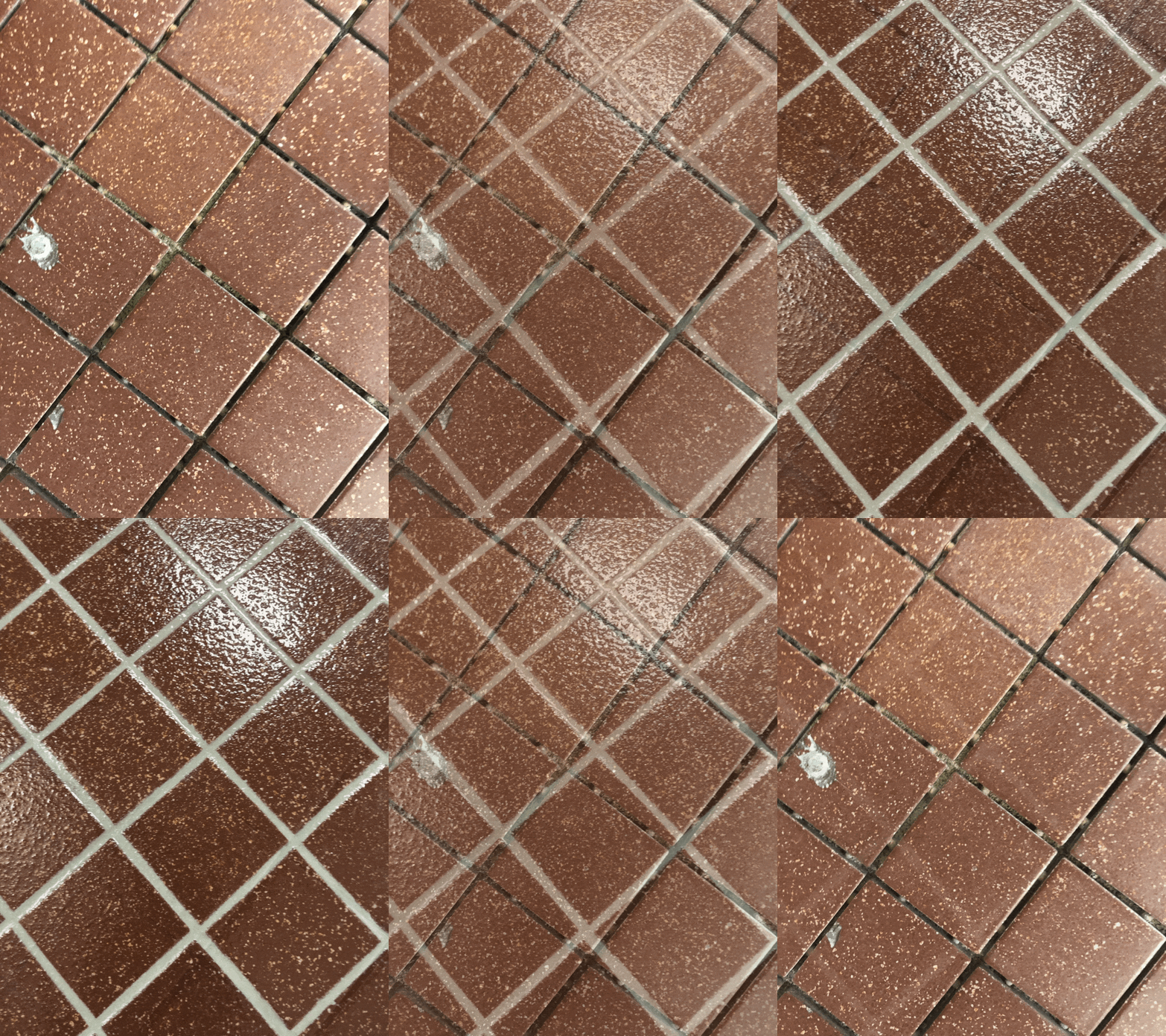
Nationwide Network of Certified Service Providers
SaniGLAZE Service Providers operate throughout the United States and Canada. This network ensures you receive consistent quality regardless of your facility's location. Service Providers undergo initial training and annual recertification to maintain the standards the SaniGLAZE brand represents.
What Red Flags Should You Watch for When Evaluating Vendors?
Certain warning signs suggest a vendor may not deliver the quality and reliability your facility requires.
Lack of Documentation or References
A qualified vendor should readily supply references, case studies, and documentation of their work. Reluctance to share this information may indicate limited experience or poor results on previous projects.
Verify references independently. Contact facility managers who have worked with the vendor and ask about their experience with quality, communication, and follow-through.
Vague or Unrealistic Claims
Be skeptical of claims that sound too good to be true. Promises of permanent results, unlimited warranties, or dramatically lower prices than competitors warrant careful examination.
Quality restoration requires quality products, trained technicians, and proper application. Vendors cutting corners on any of these elements cannot deliver lasting results.
Pressure Tactics or Rush to Contract
Reputable vendors respect your decision-making process. High-pressure sales tactics or urgency to sign contracts before you have completed due diligence suggest the vendor may not withstand closer scrutiny.
Take the time to evaluate options thoroughly. A quality vendor will welcome your careful consideration because they know their work will meet your standards.
How to Structure Your Vendor Evaluation Process
A structured evaluation process ensures you consider all relevant factors and make decisions based on evidence rather than impressions.
Step 1: Define Your Requirements
Before contacting vendors, document your facility's specific needs. What surfaces require restoration? What performance standards must be met? What budget constraints apply? What scheduling limitations exist?
Clear requirements help vendors develop accurate proposals and enable fair comparison between candidates.
Step 2: Identify and Pre-Qualify Vendors
Develop a list of potential vendors through referrals, industry associations, and research. Pre-qualify candidates by verifying basic requirements like licensing, insurance, and relevant experience.
Narrow your list to vendors who meet minimum qualifications before investing time in detailed evaluations.
Step 3: Request and Evaluate Proposals
Issue a request for proposals with your documented requirements. Evaluate responses against consistent criteria. Score vendors on technical approach, experience, references, pricing, and other relevant factors.
Consider site visits or demonstrations where practical. Seeing a vendor's work firsthand gives insight that documents cannot convey.
Step 4: Check References and Verify Claims
Contact references for top candidates. Verify claims about experience, certifications, and capabilities. Visit completed projects if possible to assess quality and durability.
Reference checks often reveal information not apparent in proposals. Past performance is the best predictor of future results.
Step 5: Negotiate and Award Contract
Negotiate terms with your selected vendor. Ensure the contract addresses scope, schedule, quality standards, payment terms, and warranty provisions. Include provisions for addressing problems or changes that may arise during the project.
A clear contract protects both parties and establishes expectations for successful project completion.
In Conclusion: Making the Right Choice for Your Government Facility
Selecting a tile restoration vendor for your government or municipal facility requires careful evaluation across multiple criteria. Compliance, durability, service coverage, and disruption control all factor into the decision.
The vendor you choose will affect your facility's appearance, hygiene, and maintenance costs for years to come. Invest the time to evaluate options thoroughly. Request documentation, verify claims, and check references before committing.
SaniGLAZE delivers tile and hard surface restoration solutions backed by 20 years of experience and a nationwide network of certified Service Providers. The SaniGLAZE approach combines state-of-the-art products with systematic application methods to create surfaces that meet the demanding requirements of government facilities.
When you select a vendor committed to quality, compliance, and durability, you serve both your facility and the public who depend on it.
FAQs About How to Evaluate Government Tile Restoration Vendors
What certifications should a government tile restoration vendor hold?
A qualified vendor should hold proper state licensing for flooring or surface restoration work, carry adequate bonding and insurance, and demonstrate familiarity with government contracting requirements. Industry certifications and documented training programs indicate commitment to quality.
SaniGLAZE Service Providers go through recertification each year, ensuring consistent standards across all facilities they serve.
How long does commercial tile restoration typically last in government buildings?
Durability depends on the restoration system used, traffic levels, and maintenance practices. Quality restoration systems using advanced protective finishes can extend surface life significantly compared to standard cleaning or temporary solutions.
SaniGLAZE Treatment Processes create durable, chemical-resistant surfaces designed to withstand the heavy traffic and frequent cleaning typical in government facilities.
Can tile restoration meet ADA and OSHA compliance requirements?
Quality tile restoration maintains or enhances compliance with accessibility and safety standards. Surfaces remain stable, firm, and slip-resistant when proper products and techniques are used.
Discuss compliance requirements with your vendor before work begins. A qualified vendor will explain how their restoration process maintains required slip resistance and surface characteristics.
How does SaniGLAZE minimize disruption during government facility restoration?
SaniGLAZE Service Providers work with facility managers to develop phased work plans that minimize operational disruption. Many projects can be completed during off-hours or in sections, allowing facilities to remain operational throughout the restoration process.
The specific approach depends on your facility's needs and scheduling constraints. Your local SaniGLAZE Service Provider will coordinate with your team to develop an appropriate plan.
What makes SaniGLAZE different from other commercial tile restoration vendors?
SaniGLAZE combines state-of-the-art products with systematic application methods, backed by 20 years of experience in tile and hard surface restoration. The nationwide network of certified Service Providers ensures consistent quality across locations.
Both the products and the techniques have been designed and tested to work together in harmony. This integrated approach delivers results that surface-level solutions cannot match.
How should government facility managers budget for tile restoration?
Consider total cost of ownership rather than initial price alone. Factor in expected durability, maintenance requirements, and the cost of premature re-treatment when comparing options.
Quality restoration typically costs less than full replacement while delivering surfaces that meet the same functional and aesthetic standards. Your vendor should help you understand the long-term value their solution delivers.