
 Schedule a Consultation!
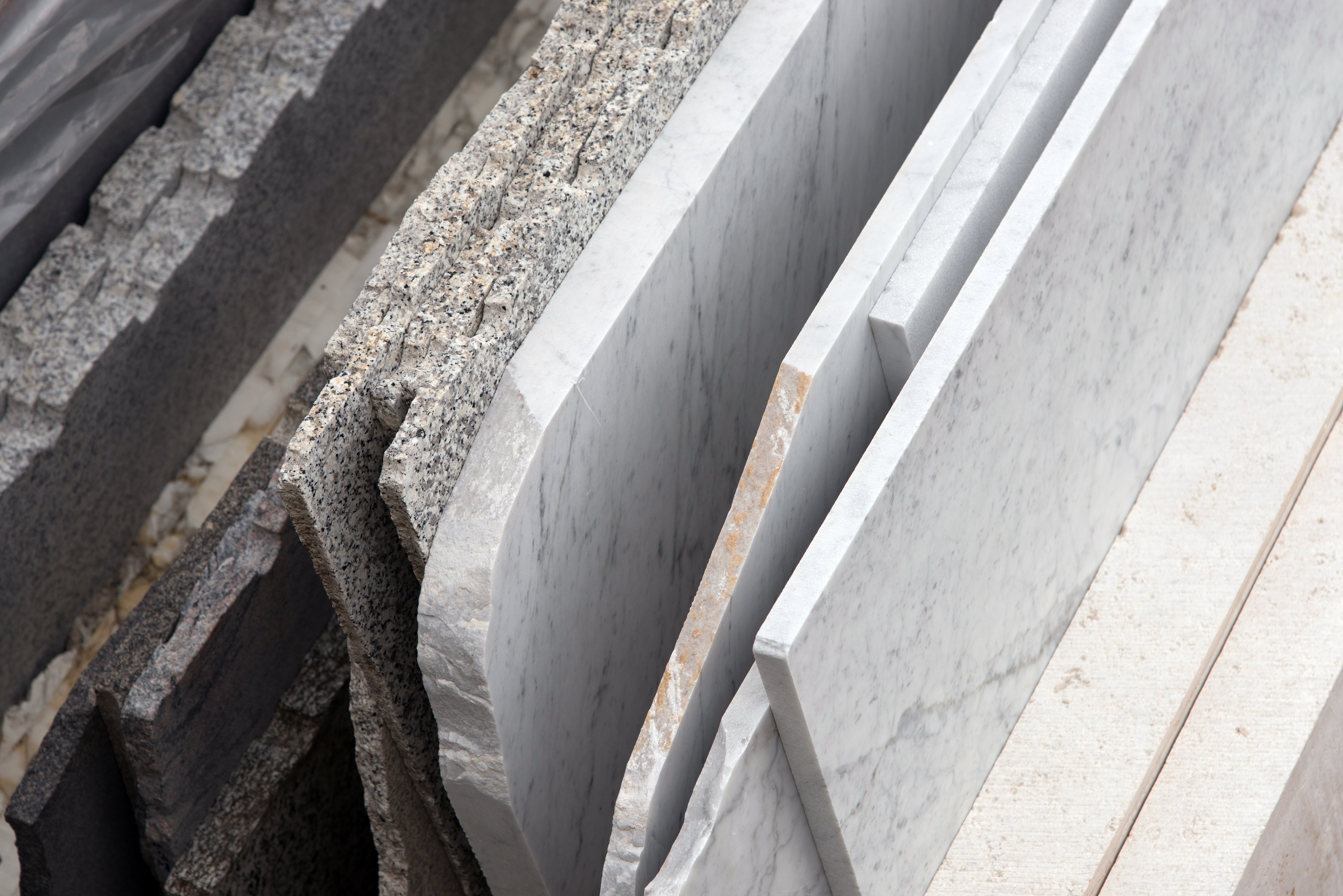
Today’s market offers an astonishing array of flooring materials and absolutely none of them are self-cleaning. Because of that, every hard surface requires some degree of maintenance and – eventually – restoration. Maintaining hard surfaces isn’t always a simple solution, though. Different surfaces carry different characteristics, such as strength or high porosity. Identifying flooring materials is a critical part of designing a successful maintenance plan. It can affect everything from the chemicals and tools used to the frequency of maintenance and even whether protective surface coatings are appropriate.
Although it may be easy to recognize an epoxy floor or vinyl composition tile, distinguishing between different tile types can be a bit trickier. Here are some traits to look for.
Ceramic tile
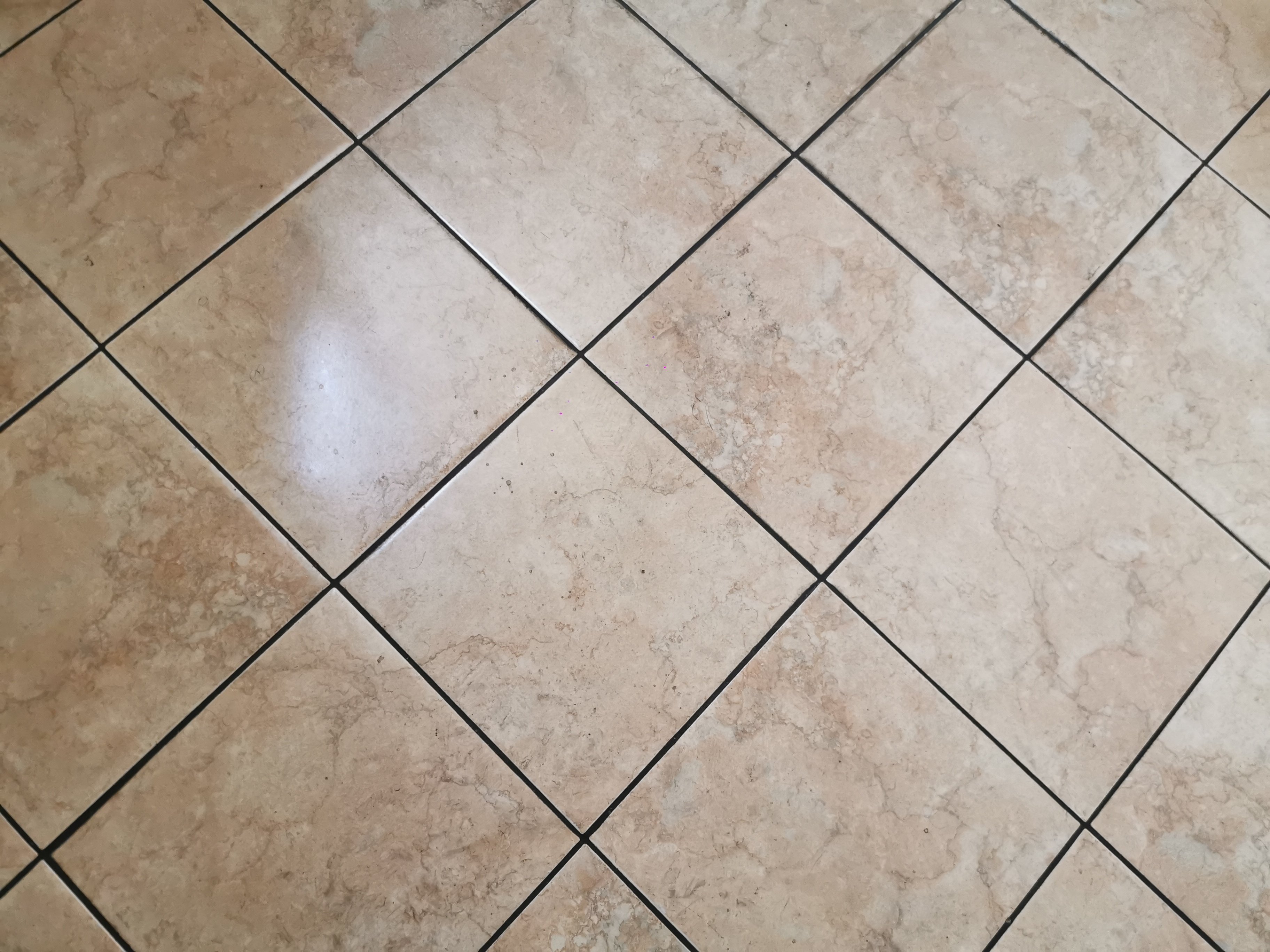
Ceramic tile is either porcelain or non-porcelain. It is the addition of feldspar, a type of crystal found in rock that makes ceramic tile porcelain. Non-porcelain tile can be produced from a variety of clays, and variations in the manufacturing process produce a wide assortment of ceramic tile colors and textures.
When it comes to facility floors and walls, ceramic tile is the most common. It is typically used in high moisture environments like restrooms, locker rooms and pool areas. Although ceramic tile is usually sealed, the accompanying grout lines must also be sealed to prevent the absorption of foul liquids and the breeding of bacteria and odors.
Without it, maintenance will be ineffective and the surface will require frequent restoration.
Porcelain tile
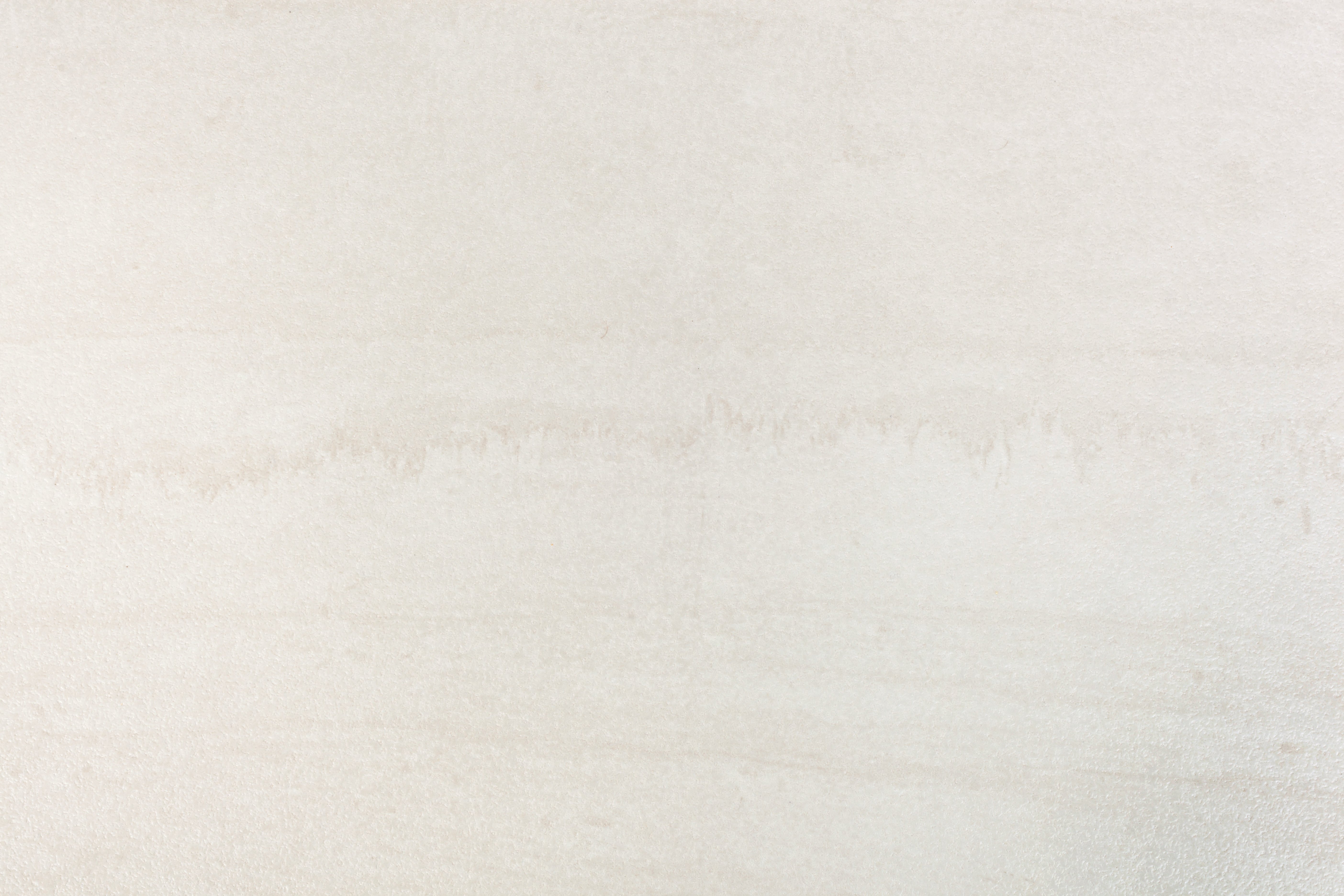
Porcelain is made from special clays and fired at an extremely high temperature. Although more costly than regular ceramic tile, its strength and density are often worth the price.
As Buildipedia states, “Porcelain ceramic flooring is more expensive than non-porcelain and can be harder to work with. However, it offers greater durability, natural stain resistance, minimal water absorption, and through-bodied color.”
Although porcelain is sometimes a lighter color than plain ceramic tile, dyes can make this difficult to judge. A porcelain tile should feel denser than a similar ceramic one and have consistent color throughout the tile. A water penetration test is the best way to tell the difference. If a tile soaked in water absorbs five percent or less of the water, it is most likely porcelain.
Quarry tile
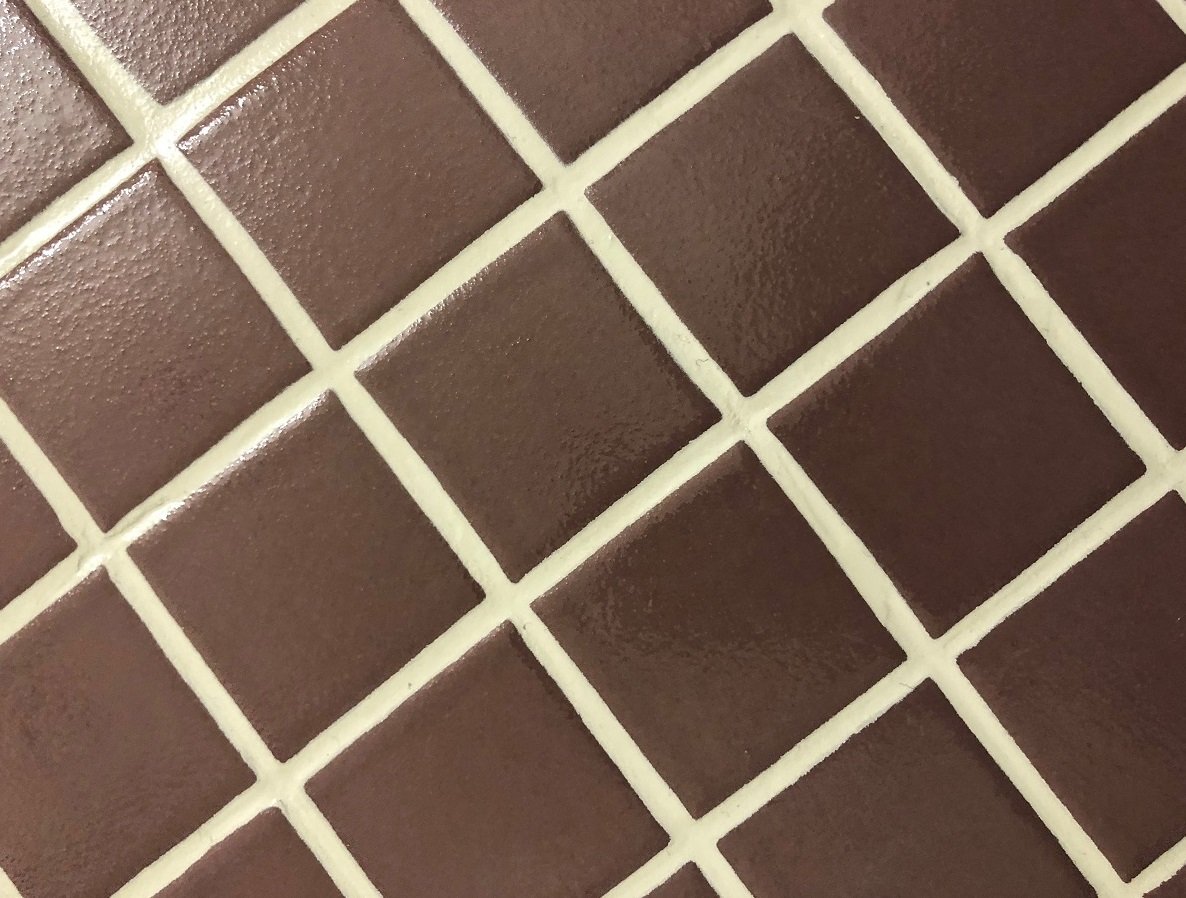
Commonly found in foodservice prep areas, quarry tile is made from clay and fired at extremely high temperatures. It gains its signature dark red look from minerals in the clay, but other colors can be produced through the addition of pigments or specific clays.
Quarry tile is typically unglazed and without any patterns. Brick pavers are similar to quarry tile but have a rougher texture and are often cut to mimic bricks. Although quarry tile and brick pavers are not suited for floor coatings, it is critical to seal the grout lines in these types of flooring materials.
Saltillo tile
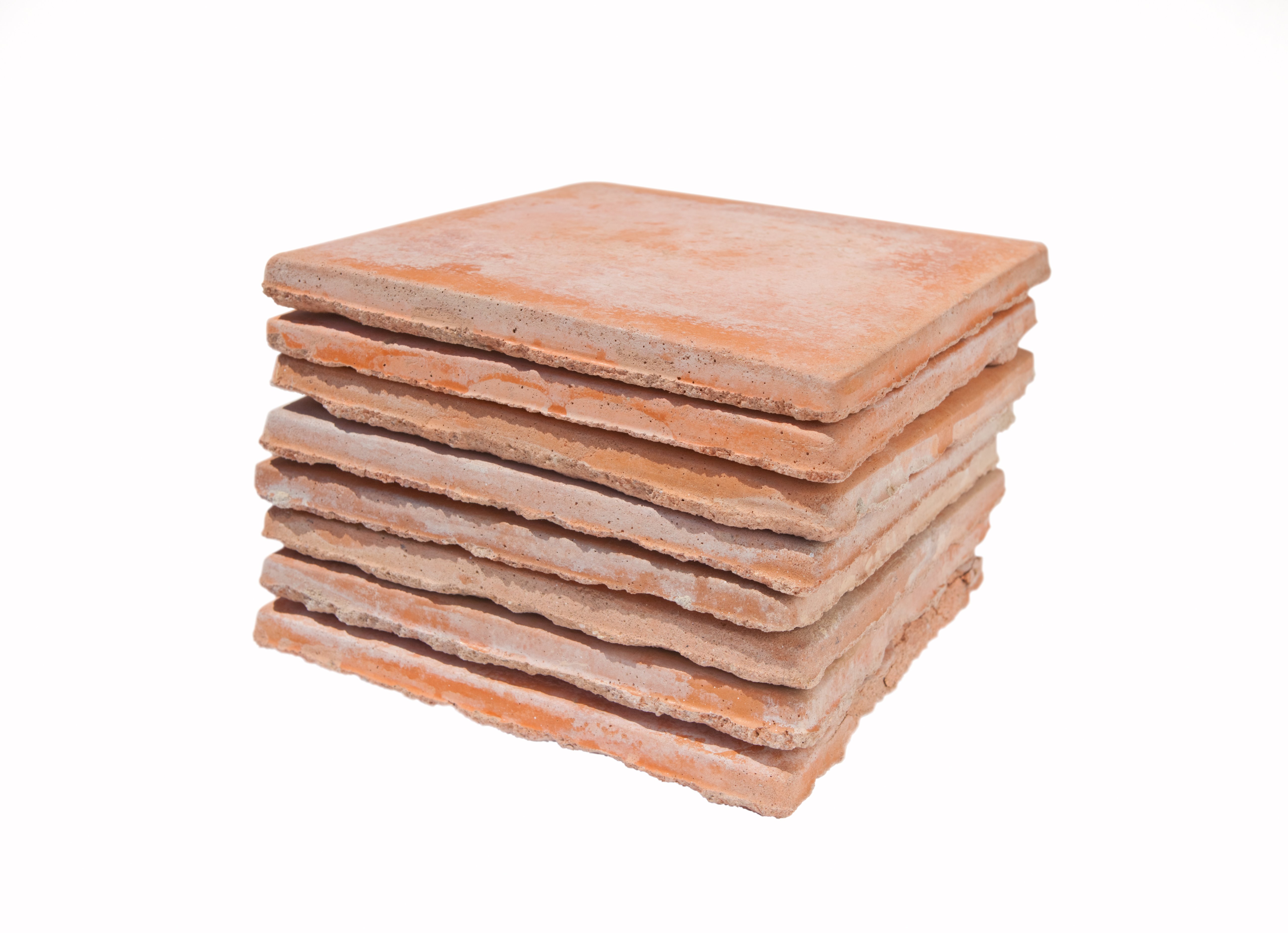
Valued for its rustic imperfections, true Saltillo tile is made from clays found only in Saltillo, Mexico, although there are plenty of Saltillo-style tiles marketed.
Common imperfections in Saltillo Tile include uneven cuts, chipped edges, imprints of leaves or animal footprints, and a rough or dimpled surface. It is typically recognized by the color variation in each tile, swirling from tawny yellow to brick red and varying shades of burnt orange.
Natural stone tile
Granite
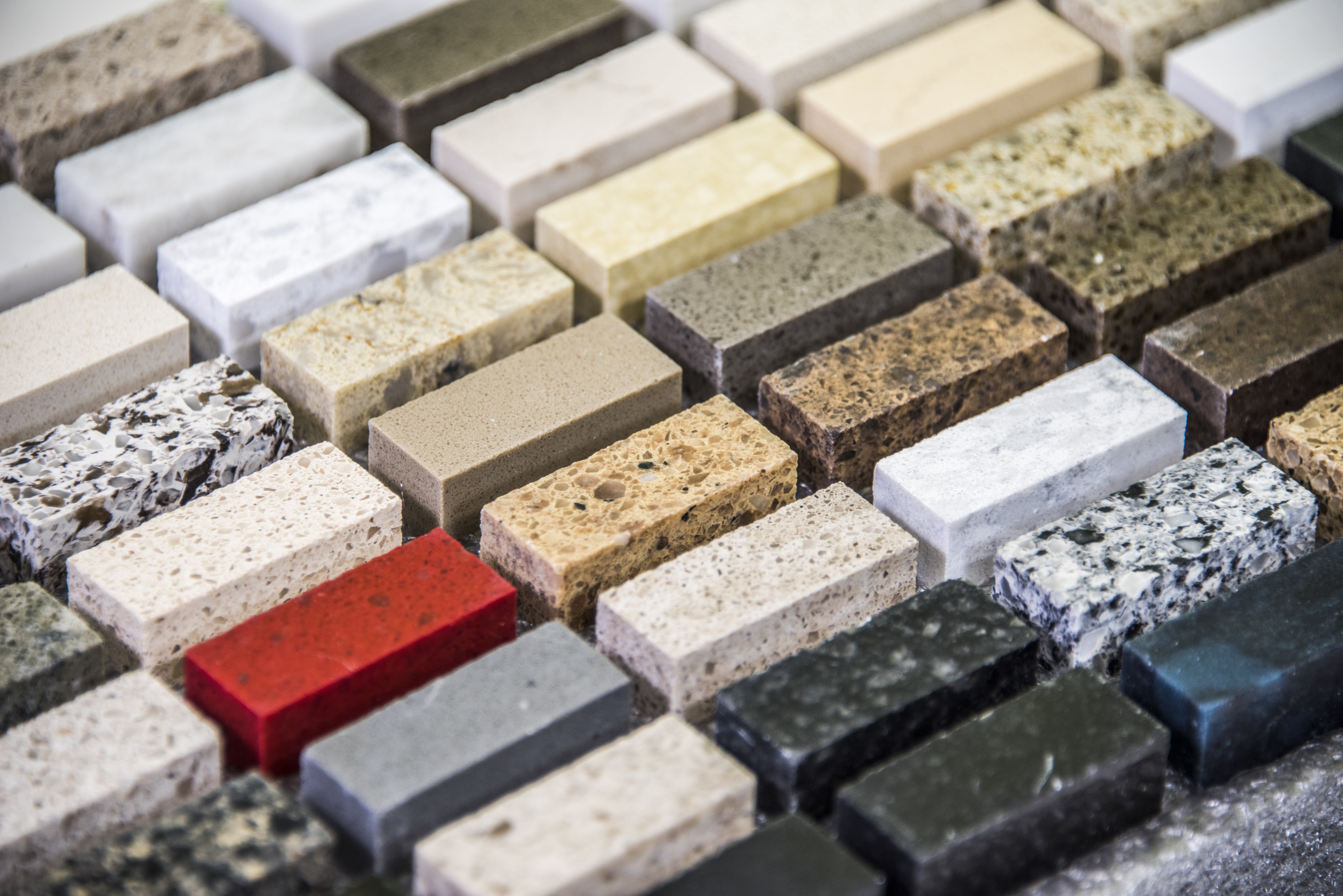
Granite is an igneous rock formed at extremely high temperatures and is largely made up of quartz and a combination of other minerals like mica, iron ores and feldspar. It is an incredibly hard construction-grade material that can receive a high polish or be left in its natural state.
You should not be able to scratch granite with a knife. Although typically resistant to staining and acid damage, it is somewhat porous and requires sealing. Granite can be recognized by its distinct speckled appearance, thanks to an abundance of different mineral chips, flecks or veins.
Slate
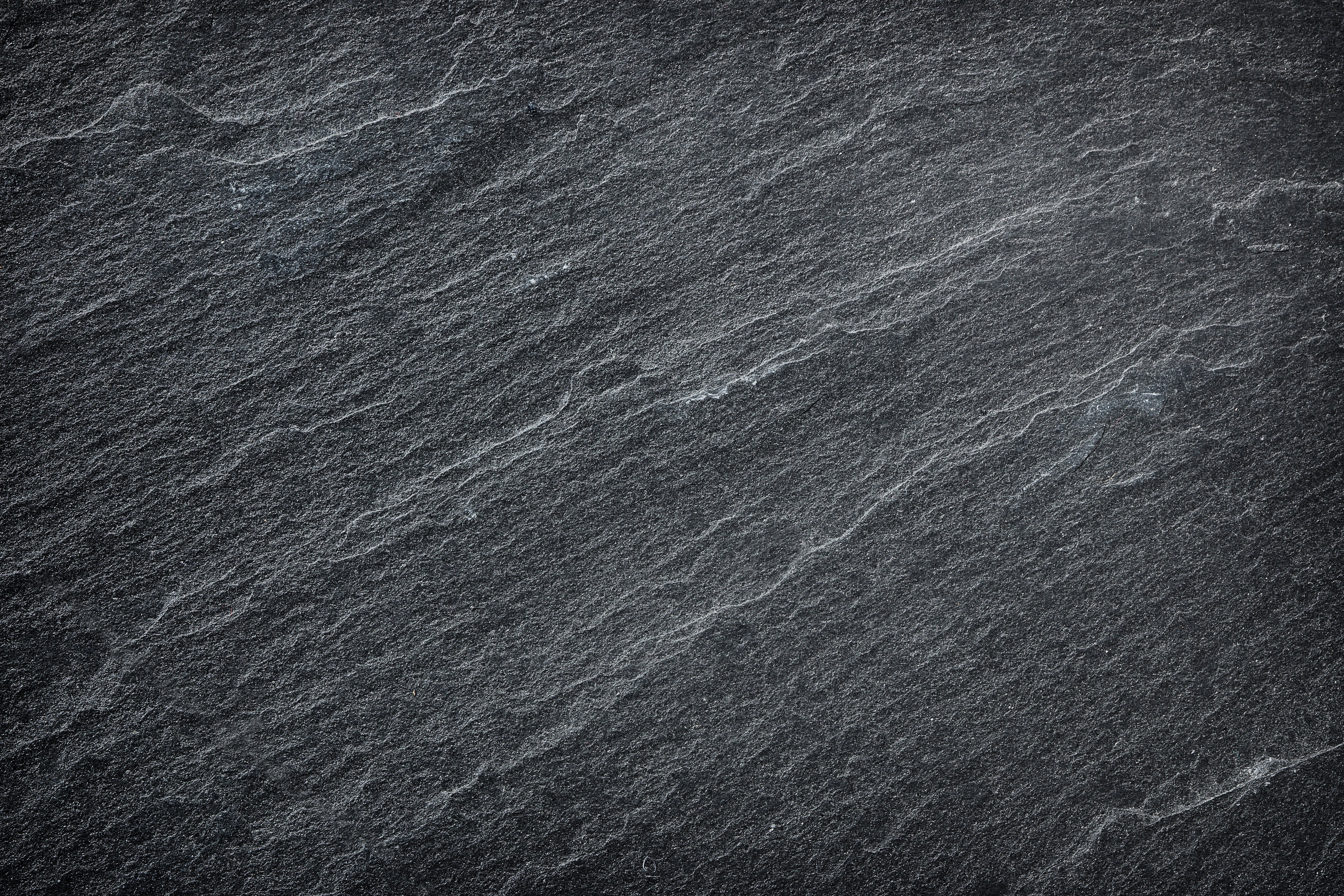
A dense, metamorphic rock, slate is prized for its strength and durability. Unless it is honed down, slate has a naturally textured appearance and appears in varying shades of dark, earthy colors.
Limestone

Less dense than marble or granite, limestone is a sedimentary rock that typically appears in shades of beige, taupe, light blue-grey and off-white. Its finish is usually honed and it does not hold a high gloss polish. Limestone requires sealing as it stains easily, and is not suited for high traffic areas.
Travertine
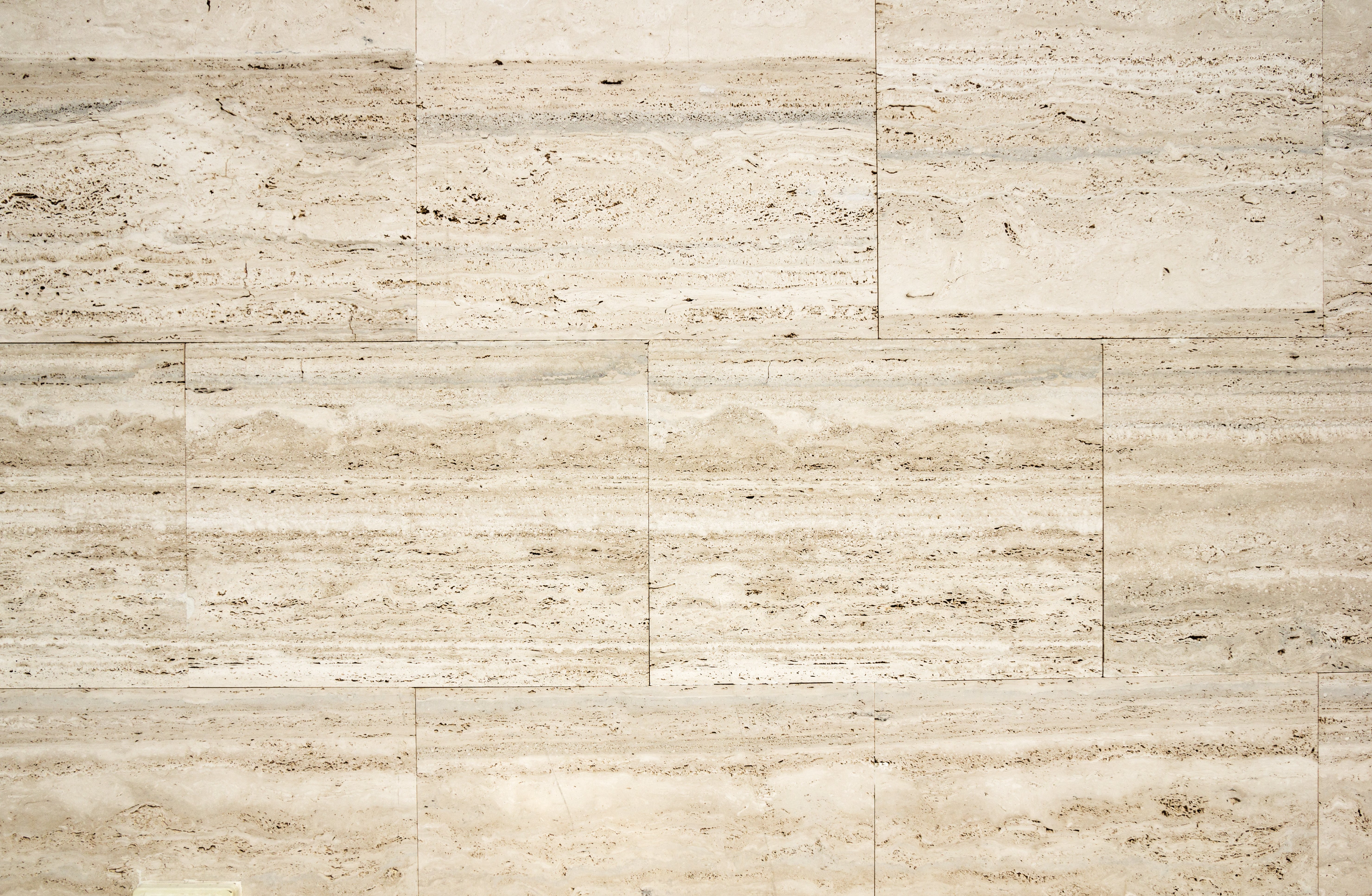
Travertine, a sedimentary rock, is a type of limestone that features a mottled, crystalline appearance in varying shades of white, yellow, beige and tan. It is a fairly soft, porous stone that has natural divots and surface voids, which are usually filled with plastic resins or other fillers. Over time, these fillers can decay and fail.
Unless resealed, travertine will eventually accumulate dirt and bacteria within those surface voids.
Marble
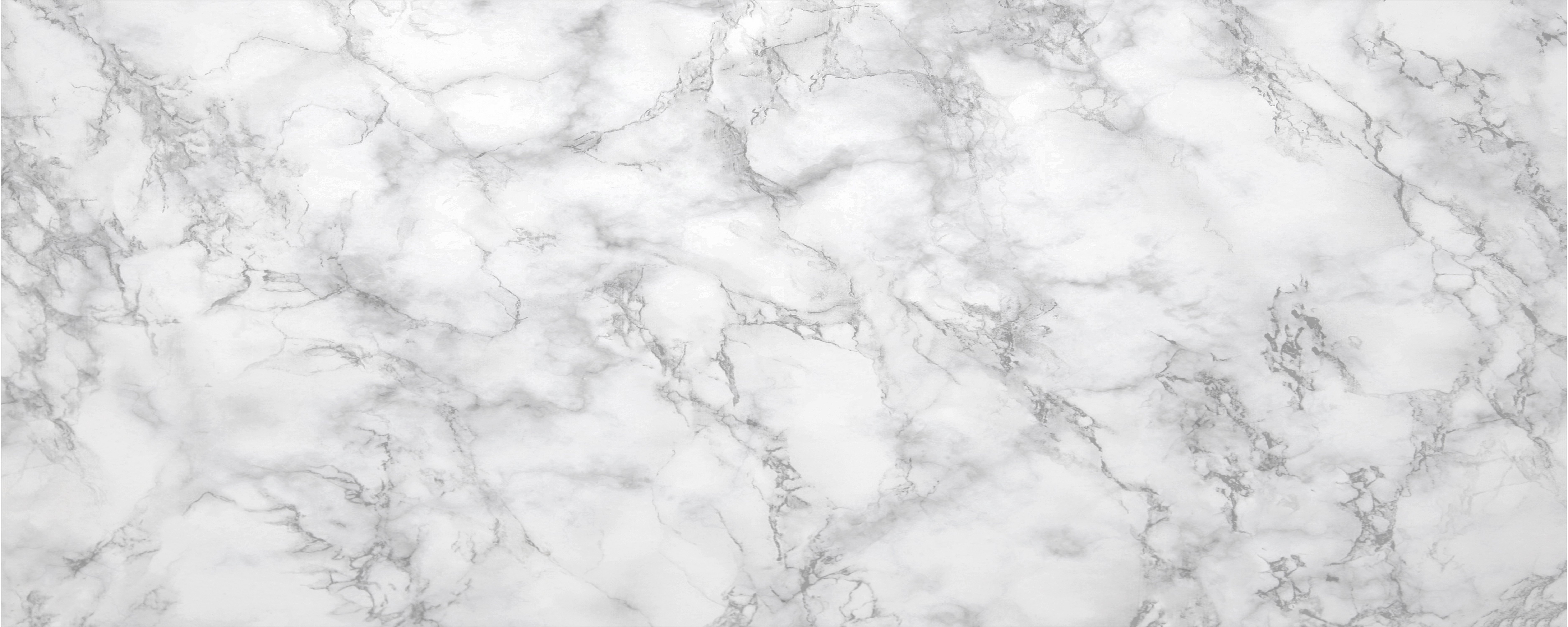
Marble is a metamorphic rock containing calcium carbonate and can be identified by the veins of color streaking through the stone. It can be honed, tumbled for a softer look or polished to a high shine. It is porous, prone to staining and can be scratched with a knife, unlike granite.
Frequently Asked Questions About Identifying Tile and Stone Flooring
Why is it important to identify the type of tile or stone flooring?
Identifying the type of tile or stone flooring is important because each material has different maintenance requirements, porosity, durability, chemical sensitivity, and restoration needs. Using the wrong cleaner, tool, sealer, or coating can damage the surface or make maintenance problems worse.
What are the most common types of tile flooring?
Common types of tile flooring include ceramic tile, porcelain tile, quarry tile, Saltillo tile, and natural stone tile. Natural stone can include granite, slate, limestone, travertine, and marble.
How can you tell if a tile is ceramic?
Ceramic tile is commonly used on facility floors and walls, especially in restrooms, locker rooms, pool areas, and other moisture-prone environments. It can come in many colors and textures. Ceramic tile may be porcelain or non-porcelain, so additional testing may be needed to identify the exact type.
What is the difference between ceramic and porcelain tile?
Porcelain is a type of ceramic tile made from special clays and fired at very high temperatures. It is typically denser, stronger, more durable, and less absorbent than standard ceramic tile. Porcelain may also have more consistent color throughout the tile body.
How can you tell if tile is porcelain?
Porcelain tile usually feels denser than standard ceramic tile and may have color that runs consistently through the tile. A water absorption test can also help. If a tile absorbs five percent or less of the water during testing, it is likely porcelain.
Why does grout still need protection if the tile is porcelain or ceramic?
Even when the tile itself is dense or sealed, the grout lines can remain porous. Unprotected grout can absorb moisture, dirt, bacteria, odors, and foul liquids, making the surface harder to clean and more likely to require restoration.
What is quarry tile?
Quarry tile is a durable clay tile fired at high temperatures. It is commonly found in foodservice prep areas, kitchens, and other commercial environments. It often has a dark red appearance, although other colors can be produced.
How can you identify quarry tile?
Quarry tile is usually unglazed, dense, and simple in appearance, often with a reddish or earth-toned color. It typically does not have decorative patterns. Brick pavers may look similar but often have a rougher texture and are cut to mimic brick.
Does quarry tile need to be sealed?
Quarry tile itself is often durable, but grout lines between quarry tiles should be sealed and protected. In commercial kitchens and foodservice areas, unsealed grout can absorb grease, moisture, bacteria, and odors.
What is Saltillo tile?
Saltillo tile is a rustic clay tile traditionally made from clays found in Saltillo, Mexico. It is known for natural imperfections, uneven cuts, chipped edges, animal footprints, leaf imprints, and warm color variation from yellow and orange to brick red.
Is Saltillo tile hard to maintain?
Saltillo tile can be difficult to maintain because it is usually porous and rustic in texture. It often requires proper sealing and careful maintenance to prevent staining, moisture absorption, and surface deterioration.
How can you identify granite flooring?
Granite is a very hard natural stone with a speckled appearance caused by mineral chips, flecks, and veins. It can take a high polish and should not scratch easily with a knife. Although granite is durable, it is still somewhat porous and usually requires sealing.
How can you identify slate flooring?
Slate is a dense metamorphic stone with a naturally textured surface unless it has been honed. It often appears in dark, earthy colors and is valued for strength, durability, and a natural stone appearance.
How can you identify limestone flooring?
Limestone is usually softer and less dense than granite or marble. It often appears in beige, taupe, light blue-gray, or off-white tones. Limestone is commonly honed rather than polished to a high gloss and needs sealing because it stains easily.
Is limestone a good choice for high-traffic areas?
Limestone is generally not ideal for high-traffic areas because it is softer, more porous, and more prone to staining than harder materials. If it is used in commercial environments, it needs careful maintenance and proper sealing.
How can you identify travertine flooring?
Travertine is a type of limestone with a mottled or crystalline appearance. It usually appears in white, yellow, beige, or tan tones and often has natural divots or surface voids that may be filled with resin or other fillers.
Why does travertine need resealing?
Travertine needs resealing because it is porous and has natural voids that can collect dirt, bacteria, and moisture over time. If fillers or sealers break down, the surface can become harder to clean and more vulnerable to staining.
How can you identify marble flooring?
Marble is a metamorphic stone often recognized by visible veins of color running through the surface. It can be honed, tumbled, or polished to a high shine. Unlike granite, marble is softer, porous, prone to staining, and can often be scratched with a knife.
Why is marble sensitive to damage?
Marble contains calcium carbonate, which makes it vulnerable to scratching, staining, and chemical damage from acidic cleaners or spills. It should be maintained with products and methods designed specifically for natural stone.
Can SaniGLAZE help identify tile and stone flooring?
Yes. A SaniGLAZE Service Provider can evaluate the surface type, grout condition, porosity, staining, moisture exposure, and maintenance challenges to determine the right cleaning, sealing, restoration, or protection strategy.
How does tile identification affect restoration planning?
Tile identification affects restoration planning because ceramic, porcelain, quarry tile, Saltillo, granite, slate, limestone, travertine, and marble all respond differently to cleaning chemicals, coatings, sealers, abrasives, moisture, and traffic. The correct process depends on knowing the material first.
When should a facility consider restoration instead of replacement?
A facility should consider restoration when the tile or stone is structurally sound but stained, dull, porous, odor-prone, difficult to clean, or affected by deteriorated grout. Replacement may be necessary when the surface is loose, severely cracked, structurally compromised, or installed over a failing substrate.
What is the best first step if I do not know what type of flooring I have?
The best first step is to schedule a professional surface evaluation. A trained provider can identify the material, test porosity, inspect grout, evaluate maintenance problems, and recommend the right restoration or sealing solution for the facility.