
 Schedule a Consultation!
College locker rooms and shower areas face some of the harshest conditions of any facility space. Daily foot traffic, constant moisture exposure, and aggressive cleaning protocols take a toll on tile, grout, and hard surfaces. When these areas start looking worn, stained, or damaged, many facility managers assume full replacement is the only solution. SaniGLAZE offers a different approach—restoring these surfaces to like-new condition without the expense, disruption, or waste of demolition.
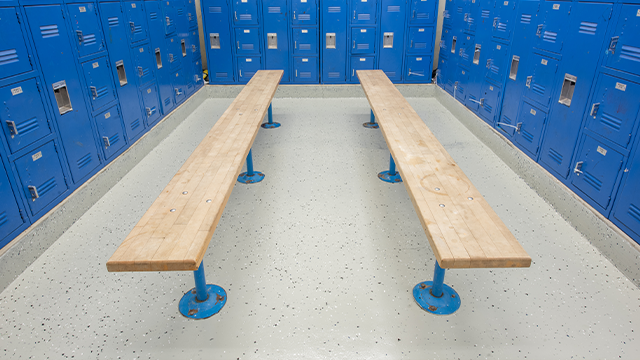
This guide walks you through everything you need to know about restoring college shower and locker room surfaces in 2026. You will learn how to assess surface damage, evaluate restoration providers, understand the restoration process, and make informed decisions that protect your budget and your facility's reputation.
Whether you manage a single campus recreation center or oversee athletic facilities across multiple locations, this information will help you extend the life of your existing surfaces while achieving the hygienic, professional appearance your student-athletes and staff deserve.
Key Takeaways: How to Restore College Locker Room Surfaces in 2026
- Surface restoration extends the life of existing tile and grout without the cost, downtime, or demolition waste of full replacement.
- Proper assessment of current surface conditions helps you determine whether restoration, spot repair, or targeted treatment is the right approach.
- SaniGLAZE delivers hard surface restoration backed by 20 years of proven expertise and a nationwide network of certified Service Providers.
- Evaluating restoration contractors involves reviewing certifications, asking about process guarantees, and confirming their experience with athletic facilities.
- Moisture resistance, slip safety, and ease of cleaning should be primary factors when selecting any restoration Treatment Process for locker room environments.
Why Do College Locker Room Surfaces Deteriorate So Quickly?
Locker rooms in college athletic facilities endure conditions that accelerate surface wear far beyond typical commercial spaces. Understanding these factors helps you anticipate maintenance needs and plan restoration projects more effectively.
Constant Moisture Exposure
Shower areas and wet zones remain damp for extended periods throughout the day. This persistent moisture penetrates porous grout, causing it to break down, discolor, and harbor bacteria. Over time, even well-installed tile begins to show the effects of this constant water exposure.
Traditional cleaning cannot reverse moisture damage. Once grout becomes saturated and stained, surface-level cleaning only addresses symptoms—not the underlying deterioration.
High-Volume Foot Traffic
College athletic facilities see concentrated foot traffic during peak times. Athletes moving between showers, lockers, and equipment areas create consistent wear patterns on floors and entryway tiles.
This traffic grinds dirt and debris into surfaces, wearing down protective finishes and creating visible pathways that make facilities look older than they are.
Aggressive Cleaning Chemicals
Maintaining hygiene standards in athletic locker rooms requires strong disinfectants and cleaning agents. While necessary for sanitation, these chemicals break down grout and tile over time. Repeated exposure to bleach, quaternary disinfectants, and acidic cleaners accelerates surface degradation.
Temperature and Humidity Fluctuations
Locker rooms experience rapid changes in temperature and humidity. Hot showers create steam that penetrates surfaces, followed by cooling periods that cause materials to expand and contract. This cycle stresses grout joints and can lead to cracking, loosening, and water infiltration.
How to Assess Whether Your Locker Room Surfaces Need Restoration
Before committing to any restoration project, you need to accurately evaluate the current state of your surfaces. This assessment determines whether restoration is appropriate and helps you prioritize areas requiring immediate attention.
Visual Inspection Checklist
Walk through each area systematically and document what you observe. Look for these common indicators of surface deterioration:
- Discolored or stained grout lines that cleaning cannot remove
- Visible cracks in grout joints or tile surfaces
- Loose or hollow-sounding tiles when tapped
- Efflorescence (white mineral deposits) on surfaces
- Mold or mildew growth in corners and grout lines
- Worn or dull tile finishes in high-traffic areas
- Odors that persist despite regular cleaning
Structural Assessment
Surface appearance tells only part of the story. Check for structural issues that may affect restoration options:
- Tap tiles to identify hollow spots indicating adhesive failure
- Inspect expansion joints for proper function
- Check for water damage to surrounding walls and substrates
- Document any areas where water pools or drains slowly
Documentation and Prioritization
Create a detailed record of your findings with photographs and measurements. This documentation serves multiple purposes: it helps you communicate needs to administrators, gives restoration contractors accurate information for estimates, and creates a baseline for measuring improvement after restoration.
Prioritize areas based on visibility, safety concerns, and operational impact. High-traffic entryways and shower floors often take precedence over less-used storage areas.
What Is Hard Surface Restoration Without Replacement?
Hard surface restoration refers to professional processes that renew tile, grout, and other surfaces to like-new condition without removing existing materials. This approach differs fundamentally from traditional replacement and offers distinct advantages for college facility managers..jpg?width=2400&height=1256&name=EnduraGLAZE_Locker%20Room_No%20Logo%20(6).jpg)
The Restoration Process Explained
Professional restoration typically follows a systematic approach:
- Deep Cleaning and Preparation: Specialized cleaning systems remove years of embedded soil, contaminants, and failed sealers from surfaces.
- Surface Repair: Damaged grout is repaired, cracks are filled, and minor tile damage is addressed.
- Protective Application: Advanced coatings or protective finishes are applied to seal surfaces against moisture, stains, and future damage.
- Curing and Finishing: Applied materials cure to create a durable, hygienic surface ready for use.
How Restoration Differs from Replacement
Replacement requires demolition of existing surfaces, removal and disposal of materials, substrate preparation, installation of new tile and grout, and extended curing time before the space can return to service.
Restoration eliminates demolition waste, reduces project timelines significantly, and preserves existing infrastructure. For college facilities operating on tight budgets and schedules, this approach offers practical advantages.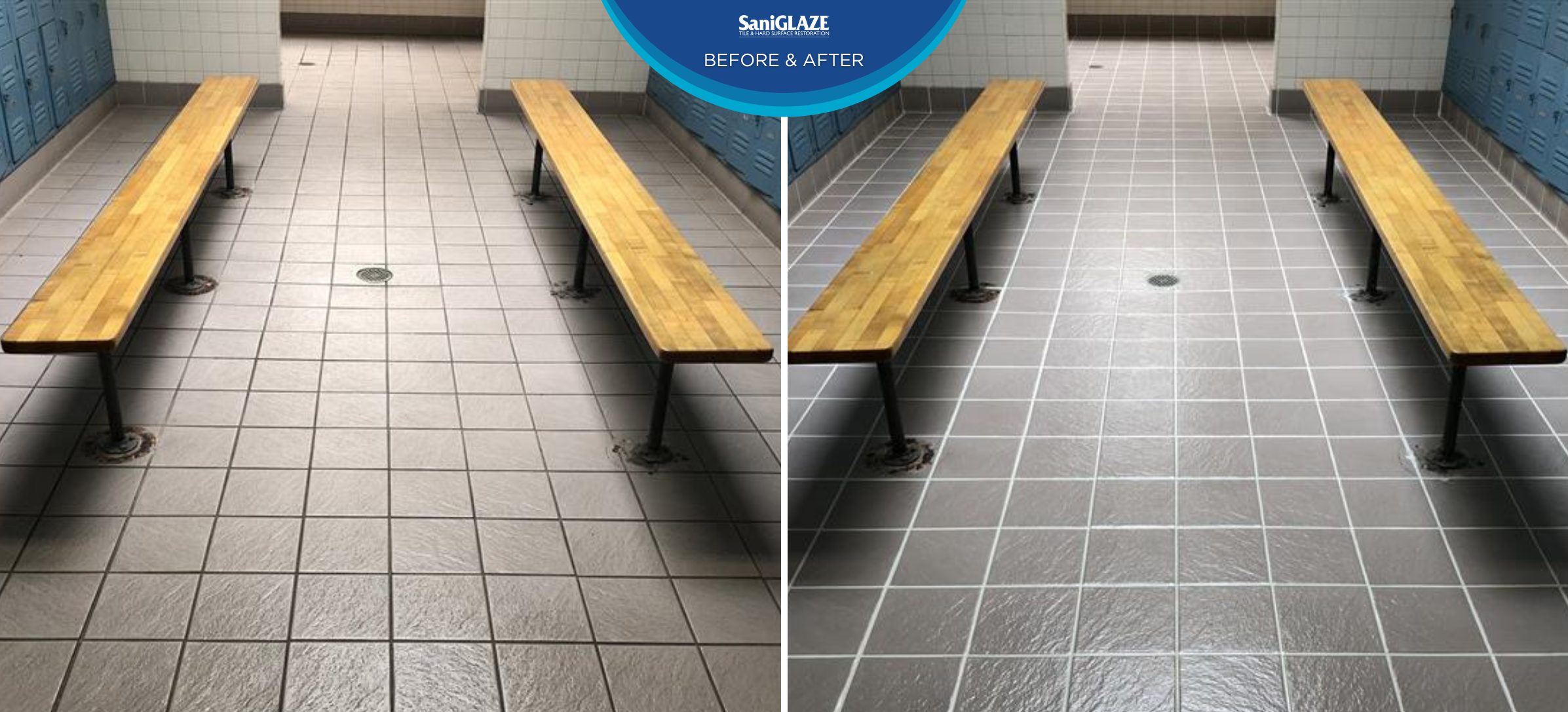
When Is Restoration the Right Choice?
Restoration works well when existing tile is structurally sound but aesthetically compromised. Ideal candidates include surfaces with stained or discolored grout, worn finishes, minor cracks, and accumulated buildup that regular cleaning cannot address.
Replacement may still be necessary for surfaces with extensive structural damage, water-damaged substrates, or tile that has become unsafe due to major cracking or loosening.
How Does SaniGLAZE Restore Athletic Facility Surfaces?
SaniGLAZE has specialized in commercial hard surface restoration for over two decades. The company's Treatment Processes address the specific challenges college locker rooms and shower areas present.
The SaniGLAZE Treatment System
SaniGLAZE combines state-of-the-art products with systematic application methods developed and refined through years of field experience. Each Treatment Process targets specific surface conditions while working together as part of an integrated system.
For athletic facility applications, several Treatment Processes address common needs:
EnduraGLAZE™ restores tile and grout to like-new appearance while creating a sealed, moisture-resistant surface. This flagship process penetrates existing surfaces to eliminate stains and embedded soils, then applies a durable protective finish that simplifies ongoing maintenance.
VariGLAZE™ delivers deep surface restoration for shower areas and other moisture-intensive environments. The process creates a moisture-resistant barrier that protects against water infiltration, mold growth, and staining.
GroutGLAZE™ specifically targets grout lines—often the most problematic areas in locker room environments. This process seals porous grout to prevent moisture absorption and creates a smooth, non-porous surface that resists staining and bacterial growth.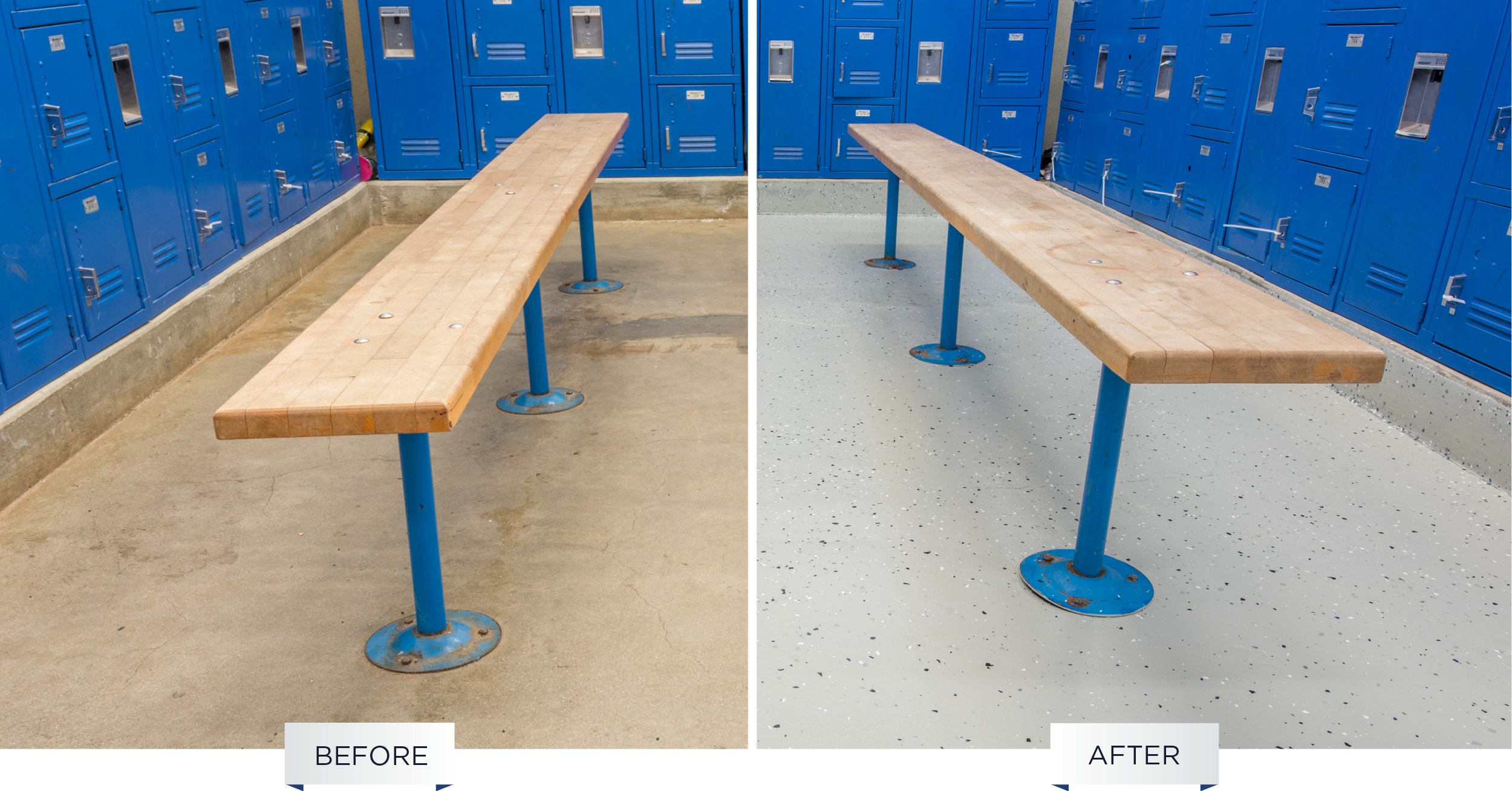
Certified Service Providers
SaniGLAZE maintains a nationwide network of certified Service Providers who complete rigorous training and annual recertification. This ensures consistent quality and process adherence regardless of your facility's location. Service Providers understand athletic facility environments and the specific demands these spaces place on surfaces.
What Should You Look for in a Commercial Restoration Contractor?
Selecting the right restoration contractor directly impacts project outcomes. Take time to evaluate potential providers thoroughly before making a commitment.
Certifications and Training
Ask about specific certifications, training programs, and ongoing education requirements. Reputable restoration companies invest in their technicians and maintain quality standards through structured training.
Verify that technicians understand the products and processes they apply. Ask about recertification requirements and how the company ensures consistent quality across projects.
Experience with Athletic Facilities
Commercial restroom restoration differs from residential work, and athletic facilities present unique challenges. Ask potential contractors about their experience with college campuses, recreation centers, and similar high-traffic environments.
Request references from comparable projects and follow up with those contacts. Ask about timeline adherence, quality of work, and how the contractor handled any issues that arose.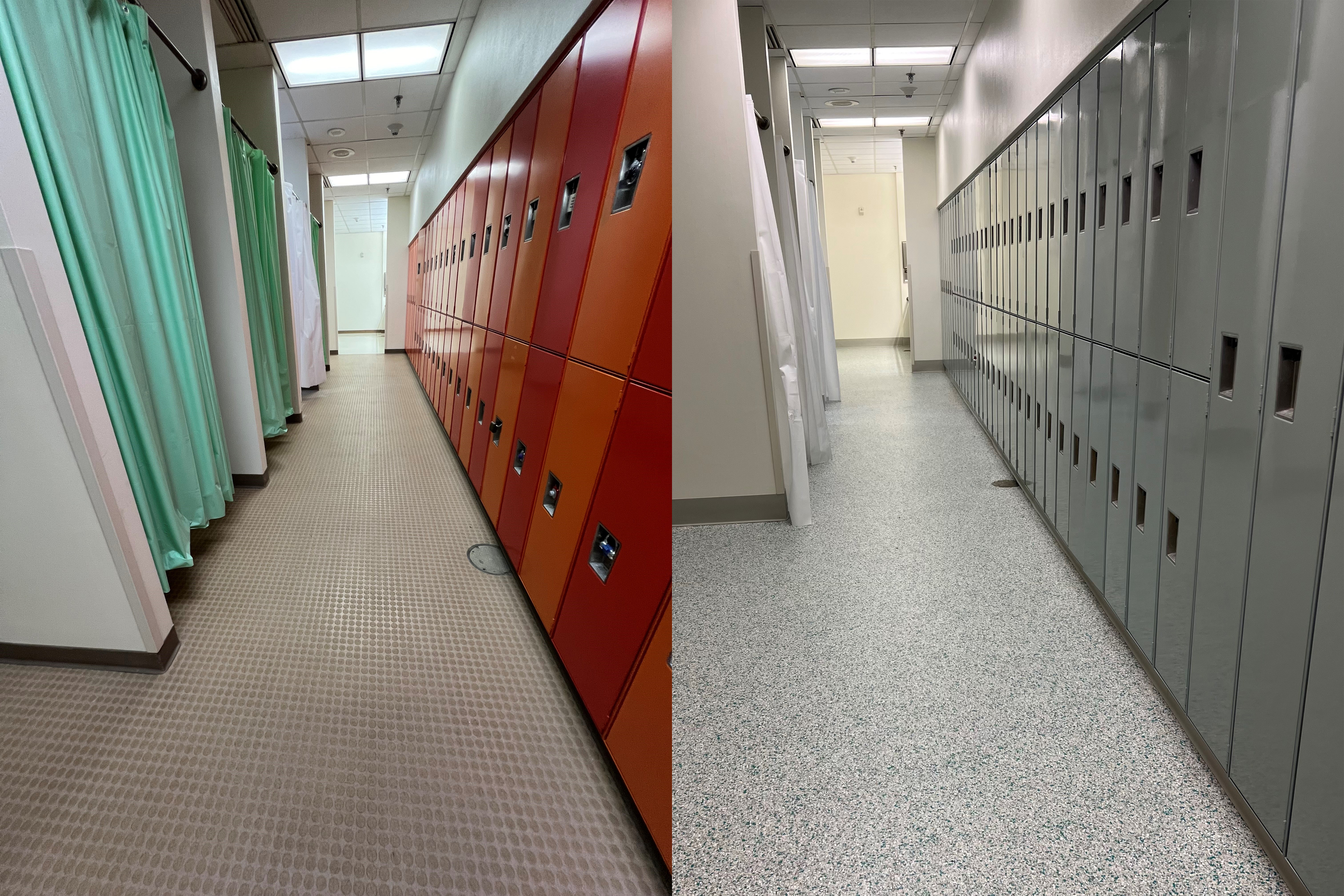
Process Transparency
Quality contractors clearly explain their processes, products, and what you can expect during and after the project. Be cautious of providers who cannot or will not detail their methods.
Ask these specific questions:
- What preparation steps are included before restoration begins?
- What products will be applied, and what are their properties?
- How long will the space be out of service?
- What maintenance is required after restoration?
- What warranty or guarantee covers the work?
Guarantees and Follow-Up Support
Professional restoration contractors stand behind their work with clear guarantees. Understand exactly what is covered, for how long, and what conditions apply.
Ask about follow-up support and how the contractor handles issues that may arise after project completion. A company willing to invest in ongoing relationships demonstrates confidence in their work.
How to Plan a College Locker Room Restoration Project
Successful restoration projects require careful planning to minimize disruption and achieve intended outcomes. Consider these factors when developing your project approach.
Timing and Scheduling
Most college athletic facilities have natural low-usage periods that present ideal restoration windows. Summer breaks, holiday periods, and between-season gaps offer opportunities to complete work with minimal impact on operations.
Coordinate with athletic schedules, academic calendars, and any planned maintenance activities. Build buffer time into your schedule for unexpected delays.
Space Phasing Strategies
Large facilities may benefit from phased approaches that restore sections while keeping other areas operational. Work with your contractor to develop a phasing plan that maintains access to essential functions throughout the project.
Consider how phasing affects product application and curing requirements. Some processes work better when completed in continuous sessions rather than interrupted across multiple phases.
Communication Planning
Inform all stakeholders about the project timeline, scope, and expected impacts. Athletic staff, coaching personnel, maintenance teams, and building users all benefit from advance notice.
Post clear signage during active work and updates if timelines change. Proactive communication prevents confusion and demonstrates professionalism.
Budget Considerations
Restoration typically costs significantly less than replacement—often 60-80% less—while extending surface life by many years. When building your budget, consider:
- Direct restoration costs including labor and materials
- Any preparatory work or repairs needed before restoration
- Temporary accommodations or alternative facilities during the project
- Post-restoration maintenance products or services
What Maintenance Keeps Restored Surfaces Looking New?
Proper maintenance after restoration protects your investment and extends the life of treated surfaces. Work with your restoration contractor to develop a maintenance protocol suited to your specific facility.
Daily and Weekly Cleaning
Restored surfaces are typically easier to clean than untreated tile and grout. The sealed, non-porous finish resists staining and prevents dirt from embedding in surfaces.
Use cleaning products compatible with the protective coatings applied during restoration. Your contractor should specify approved cleaners and any products to avoid.
Regular cleaning prevents buildup and keeps surfaces looking their best. Establish consistent cleaning schedules and train staff on proper techniques.
Periodic Inspections
Schedule regular inspections to catch minor issues before they become major problems. Look for signs of wear in high-traffic areas, check that drainage functions properly, and document any changes in surface condition.
Address small concerns promptly. A minor grout repair today prevents water infiltration that could cause significant damage over time.
Professional Maintenance Services
Some restoration providers offer periodic maintenance services to extend the life of treated surfaces. These may include deep cleaning, inspection, spot treatment of worn areas, and refresh applications.
Consider whether professional maintenance makes sense for your facility based on usage levels, staff capabilities, and long-term surface performance goals..jpg?width=2500&height=1308&name=VariGLAZE%20-%20Middle%20School%20Locker%20Room%20-%20No%20Logo%20(1).jpg)
How Do You Evaluate Return on Investment for Surface Restoration?
Facility managers must justify expenditures to administrators and budget committees. Understanding how to calculate and communicate restoration ROI strengthens your case for this approach.
Direct Cost Comparison
Compare restoration costs against replacement estimates for the same areas. Include all costs in both scenarios:
Replacement costs: Demolition labor, disposal fees, new materials, installation labor, extended downtime costs, temporary facility arrangements.
Restoration costs: Surface preparation, treatment application, curing time downtime, post-restoration maintenance setup.
The direct cost savings from restoration typically range from 60-80% compared to replacement.
Operational Impact Factors
Beyond direct costs, consider operational impacts that affect total project expense:
- Duration of space unavailability
- Revenue or productivity lost during downtime
- Cost of alternative arrangements during the project
- Staff overtime or reassignment costs
- Impact on student-athlete experience and satisfaction
Long-Term Value Considerations
Quality restoration extends surface life by many years, delaying eventual replacement needs. Factor this lifecycle extension into your analysis when comparing options.
Consider also the sustainability benefits: avoiding demolition reduces landfill waste and supports institutional environmental goals. Many colleges prioritize sustainable practices, making restoration's reduced environmental impact a meaningful advantage.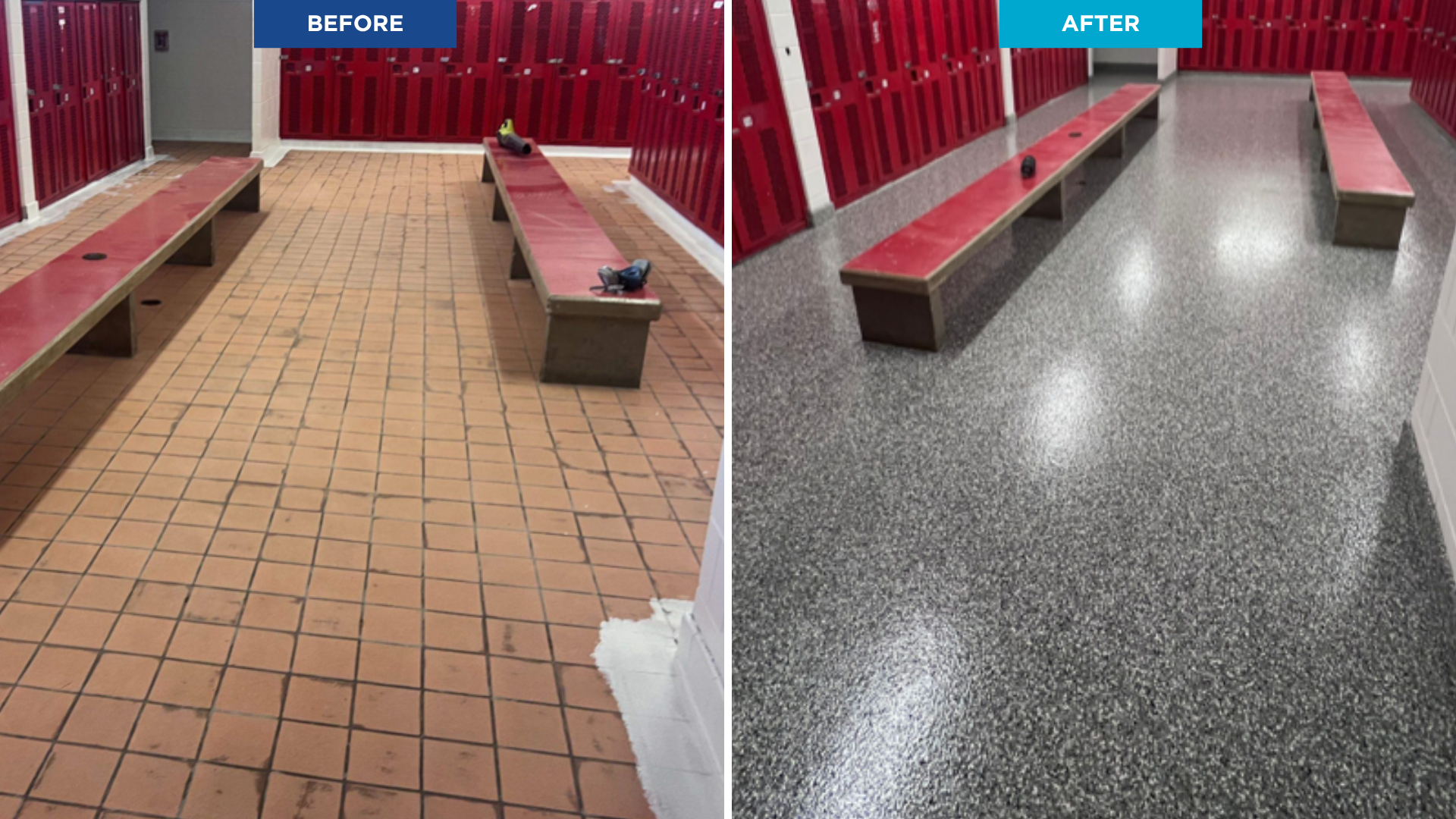
What Safety and Compliance Factors Apply to Locker Room Restoration?
Athletic facility restoration must address safety requirements and comply with applicable standards. Ensure your project planning accounts for these critical factors.
Slip Resistance Standards
Locker room floors—especially in wet shower areas—must meet slip resistance requirements to protect users from falls. The coefficient of friction (COF) measures surface traction; higher values indicate greater slip resistance.
Verify that any restoration process maintains or improves slip resistance. SaniGLAZE offers SaniGRIP™, a specialized anti-slip additive that improves traction on treated surfaces without compromising appearance.
ADA Accessibility
Americans with Disabilities Act requirements apply to college athletic facilities. Restoration projects should maintain proper floor transitions, adequate clearances, and accessible paths of travel.
Review ADA requirements with your contractor and verify that completed work maintains compliance.
Hygiene and Sanitation Standards
Athletic facilities must maintain hygienic conditions to protect student-athlete health. Restoration processes should create surfaces that resist bacterial growth and simplify effective cleaning.
Ask contractors about the antimicrobial properties of their products and how treated surfaces support facility hygiene goals.
Environmental Considerations
Some institutions require contractors to meet environmental standards for products and processes. If your college has sustainability requirements or green building certifications, communicate these to potential contractors.
Restoration inherently supports sustainability by avoiding demolition waste. Document this benefit when reporting on institutional environmental initiatives.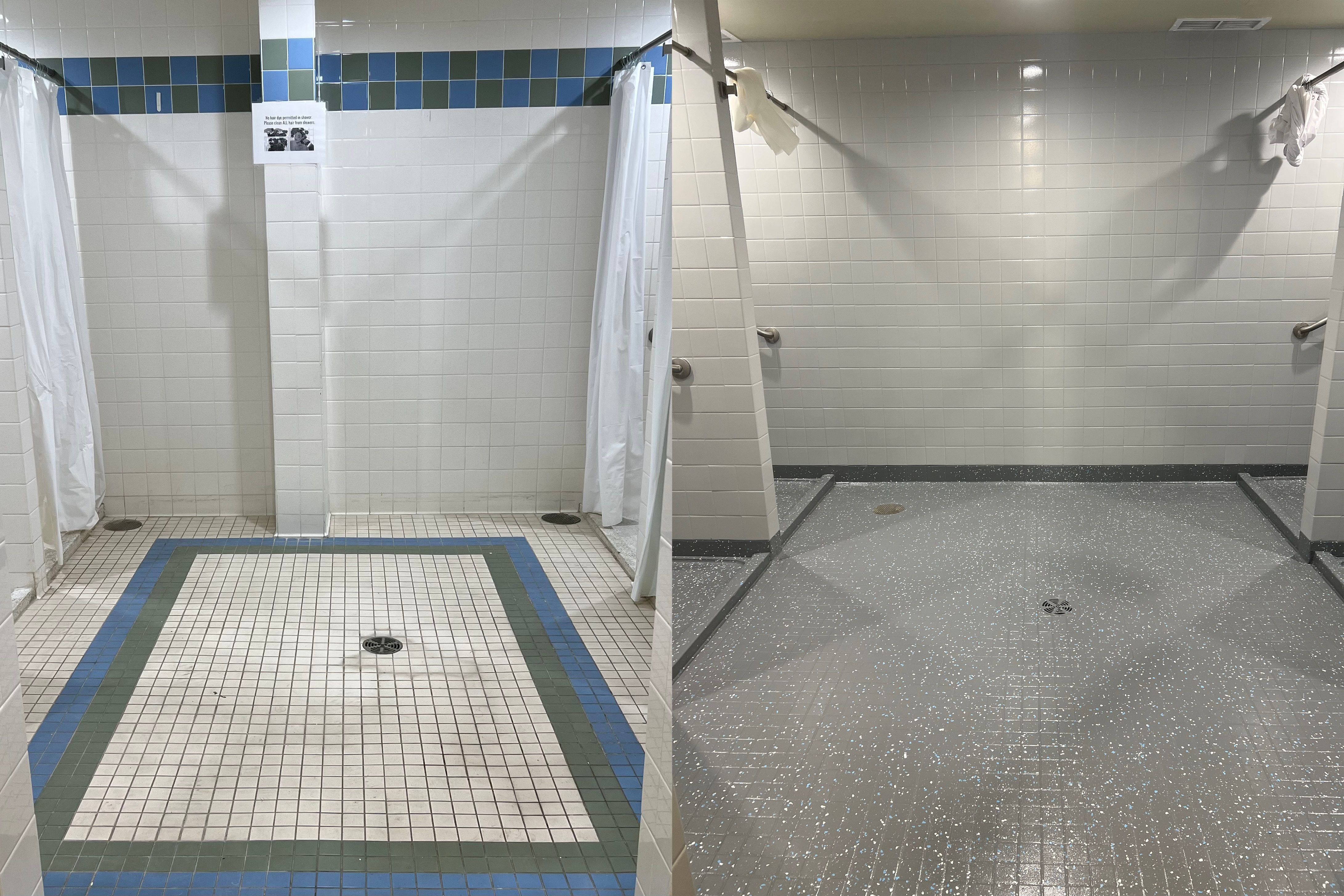
What Questions Should You Ask Before Starting a Restoration Project?
Prepare a list of questions to ask potential contractors and to guide your internal planning. These questions help ensure you gather the information needed for confident decision-making.
Questions for Contractors
- How long have you been performing commercial restoration in athletic facilities?
- What certifications do your technicians hold, and how often do they recertify?
- Can you describe your specific process for locker room and shower restoration?
- What products do you use, and what are their key properties?
- How do you ensure slip resistance in wet areas?
- What warranty do you offer, and what does it cover?
- Can you provide references from similar college facility projects?
- What maintenance do you recommend after restoration?
Questions for Internal Planning
- When is the optimal time to schedule this work with minimal operational impact?
- What budget is available, and how does that compare to preliminary estimates?
- Who needs to approve this project, and what information do they require?
- What stakeholders should be informed, and when?
- How will we measure project success?
- What maintenance capabilities do we have in-house?
How Is the Commercial Surface Restoration Industry Evolving?
The restoration industry continues to advance, bringing new options and capabilities to facility managers. Understanding these trends helps you make forward-thinking decisions.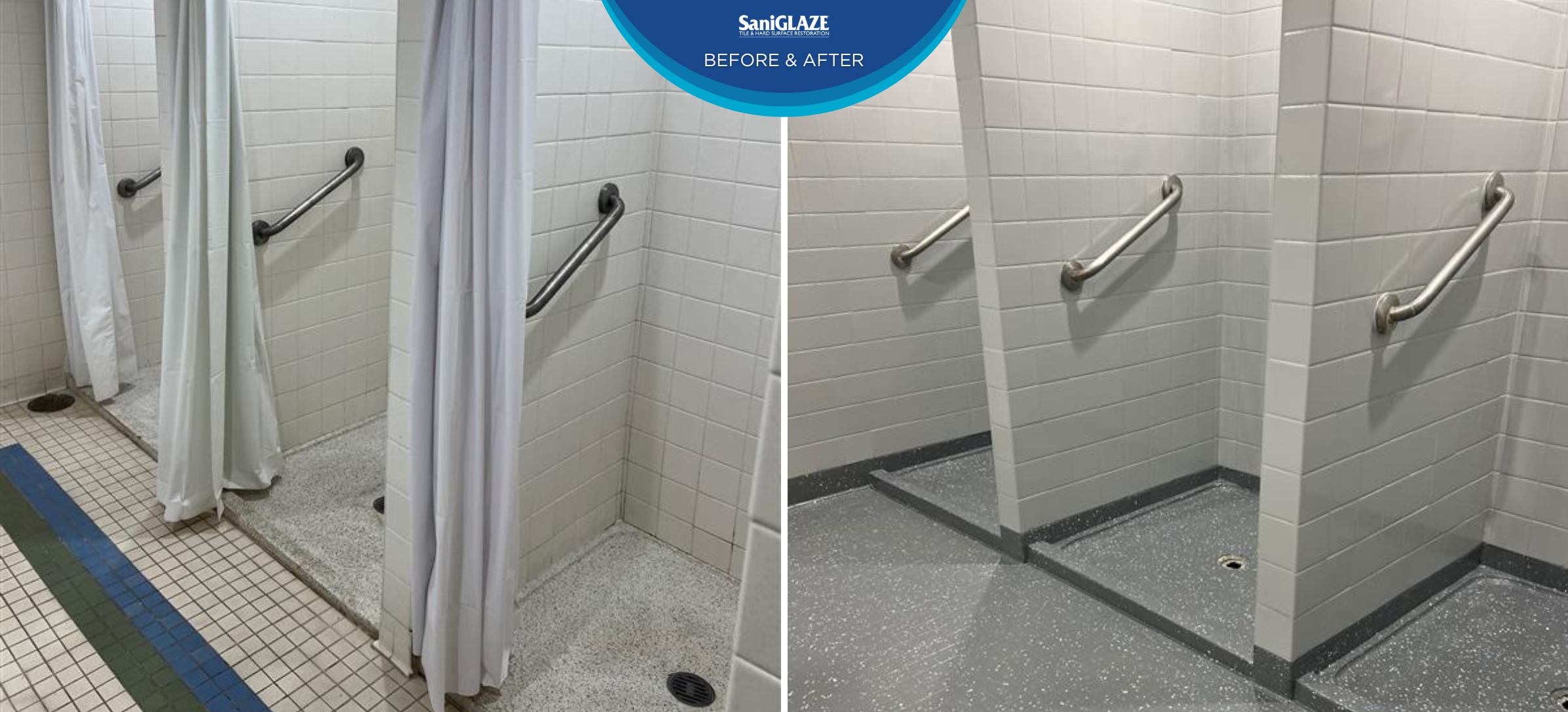
Advanced Protective Technologies
Coating and sealer technologies continue to improve, offering greater durability, better stain resistance, and enhanced antimicrobial properties. Today's products perform better and last longer than previous generations.
SaniGLAZE invests in ongoing product development to bring advanced solutions to commercial facilities. The company's state-of-the-art products reflect continued refinement based on real-world application and performance data.
Sustainability Focus
Environmental responsibility has become a priority for many institutions. Restoration aligns with this focus by extending existing surface life, reducing demolition waste, and avoiding the resource consumption associated with new material production.
Expect continued emphasis on sustainable practices in facility management, making restoration an increasingly attractive alternative to replacement.
Growing Recognition of Restoration Value
Facility managers across North America increasingly recognize restoration as a legitimate alternative to replacement. As more institutions achieve successful outcomes, the approach gains credibility and acceptance.
This growing recognition expands contractor availability and competitive options while driving continued improvement in products and processes.
In Conclusion: Making the Right Choice for Your College Locker Room Surfaces
Restoring college locker room surfaces offers a practical, cost-effective alternative to the expense and disruption of full replacement. By understanding surface deterioration causes, conducting thorough assessments, and selecting qualified contractors, you can achieve like-new results while protecting your budget.
The key lies in matching the right restoration approach to your specific surface conditions and facility needs. Work with experienced providers who understand athletic facility demands and can demonstrate proven results in similar environments.
SaniGLAZE brings over 20 years of expertise to commercial surface restoration, with Treatment Processes specifically designed for challenging environments like college locker rooms and showers. The company's nationwide network of certified Service Providers ensures consistent quality and local availability for facilities across North America.
Start by assessing your current surface conditions, documenting areas of concern, and developing a prioritized plan. When you are ready to explore restoration options, seek contractors who can demonstrate relevant experience, explain their processes clearly, and stand behind their work with meaningful guarantees.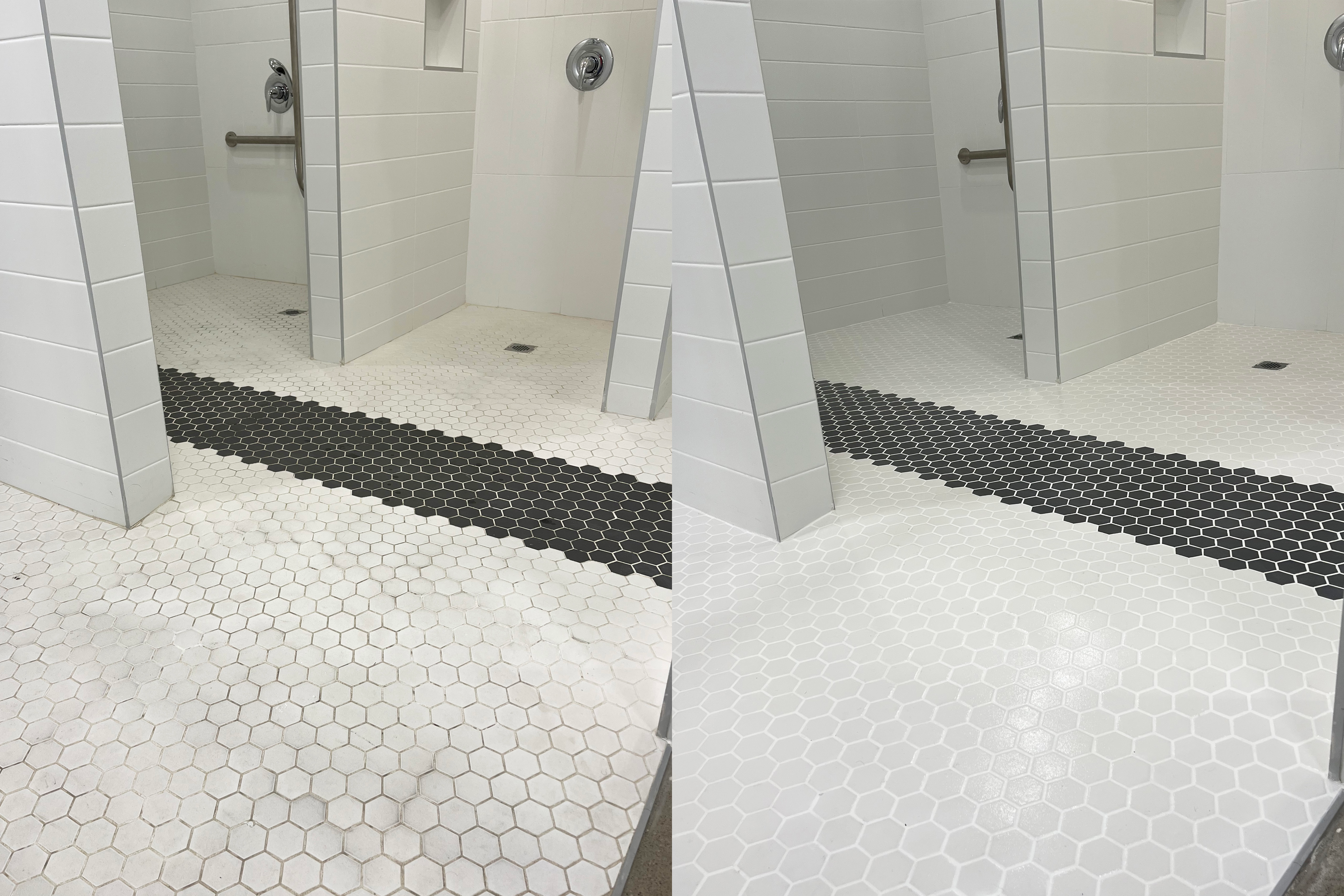
FAQs About How to Restore College Locker Room Surfaces in 2026
How long does locker room surface restoration take compared to replacement?
Restoration typically completes in a fraction of the time required for replacement. While replacement projects may take weeks due to demolition, disposal, installation, and curing, restoration projects often finish in days.
SaniGLAZE Treatment Processes are designed for minimal downtime, allowing facilities to return to service quickly.
Can you restore shower surfaces that stay wet most of the day?
Yes. Professional restoration processes specifically address moisture-intensive environments like college showers. The protective coatings create barriers that resist water penetration and protect underlying surfaces.
SaniGLAZE's VariGLAZE™ and VariGLAZE MAX™ processes are engineered for these demanding applications, creating durable, moisture-resistant finishes.
What happens if restored surfaces get damaged?
Minor damage to restored surfaces can often be repaired without redoing the entire area. Spot repairs and touch-ups address localized issues while maintaining overall surface integrity.
Quality restoration contractors include information about repair options and may offer maintenance programs for ongoing support.
How do you maintain restored locker room surfaces?
Restored surfaces require regular cleaning with products compatible with the applied coatings. Your contractor should specify approved cleaners and maintenance protocols.
Because restored surfaces resist staining and soil penetration, routine maintenance is typically easier than with untreated tile and grout.
Is restoration safe for facilities that need slip-resistant floors?
Professional restoration accounts for slip resistance requirements. Specialized additives can be incorporated into treatments to maintain or improve traction on wet surfaces.
SaniGLAZE offers SaniGRIP™, an anti-slip additive designed specifically for wet environments like locker room showers.
How much does college locker room restoration cost?
Costs vary based on surface condition, area size, and specific treatments needed. Restoration typically costs 60-80% less than full replacement while delivering comparable aesthetic results.
Request detailed estimates from qualified contractors after they assess your specific surfaces and requirements.
Can restoration fix grout that smells bad even after cleaning?
Persistent odors often indicate bacteria embedded deep in porous grout that regular cleaning cannot reach. Professional restoration includes deep cleaning that removes these contaminants, followed by sealing that prevents future penetration.
SaniGLAZE Treatment Processes address odor-causing contamination and create surfaces that resist bacterial growth.
What credentials should a restoration contractor have?
Look for contractors with documented training programs, certifications, and experience in commercial athletic facilities. Ask about technician training, recertification requirements, and quality control measures.
SaniGLAZE Service Providers complete rigorous training and annual recertification to maintain consistent quality standards.