
 Schedule a Consultation!

Facility management is the process of ensuring that a building or property is well-maintained, safe, and efficient. There are many innovative solutions in the industry that can help facility managers improve the way they operate and provide better services to their clients.
BIM Systems for Facilities Management
One innovative solution is the use of building information modeling (BIM). BIM is a digital representation of the physical and functional characteristics of a facility. It allows facility managers to create a virtual model of a building and use it to plan, design, and manage the facility more efficiently. BIM can be used to create detailed 3D models, perform spatial analysis, and generate schedules and budgets.

Smart Building Technologies
Another innovative solution is the use of smart building technologies. Smart buildings are equipped with sensors and other technologies that allow them to collect data on energy use, occupant behavior, and other factors. This data can be used to optimize building systems and improve the overall efficiency of the facility. For example, smart lighting systems can adjust lighting levels based on the presence of people in a room, and smart heating and cooling systems can adjust temperatures based on the weather and the number of people in a space.
AI and Machine Learning in Facilities Management
Facility managers are also using artificial intelligence (AI) and machine learning to improve the way they operate. AI and machine learning can be used to analyze data and identify patterns that can help facility managers optimize their operations. For example, AI can be used to predict when maintenance will be needed, or to optimize energy use in a building.
Drones and Other UAVs
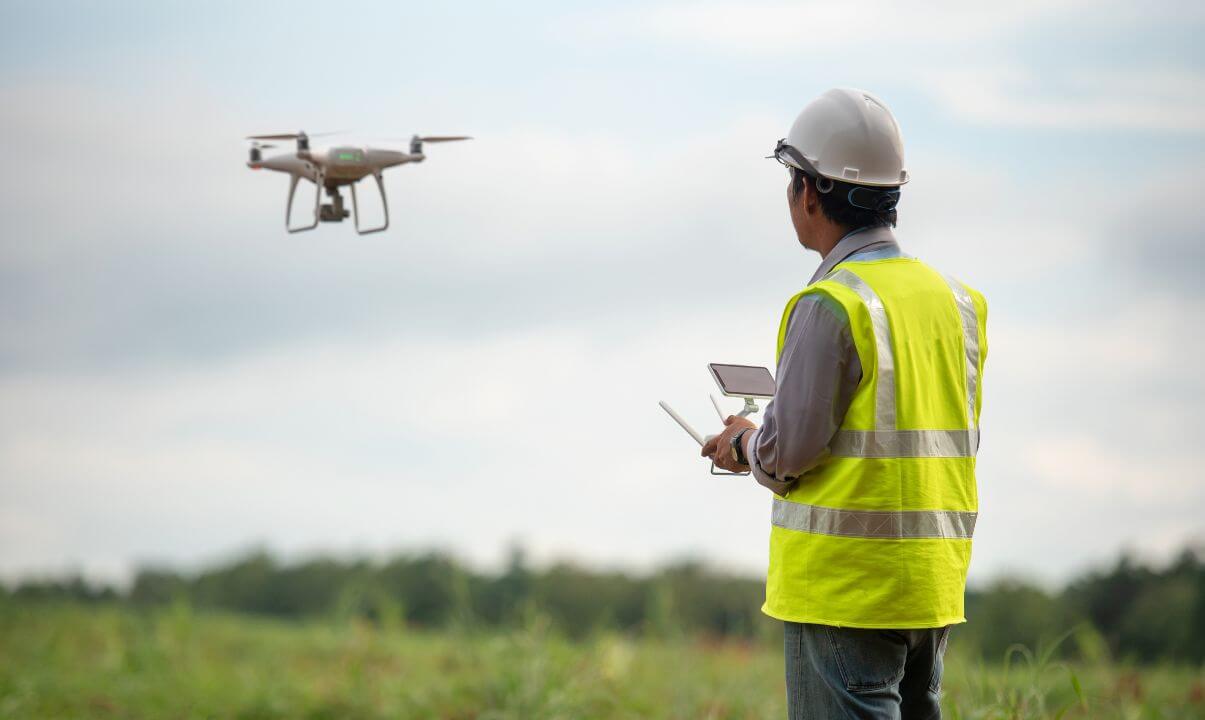
Another innovative solution in facility management is the use of drones. Drones can be used to inspect buildings and other structures, assess the damage, and perform other tasks that would be difficult or dangerous for humans to do. Drones can also be used to monitor facilities and identify potential issues before they become major problems.
Virtual and Augmented Reality Systems
Finally, facility managers are also using virtual and augmented reality to improve the way they operate. Virtual reality can be used to train facility managers and other staff, while augmented reality can be used to help facility managers visualize and understand complex systems and processes.
Key Takeaways for the Latest Trends in Facilities Management
Many innovative solutions in the facility management industry can help improve how facilities are designed, built, and operated. These solutions include BIM, smart building technologies, AI and machine learning, drones, and virtual and augmented reality.
By adopting these technologies, facility managers can provide better services to their clients and improve the efficiency and sustainability of their facilities.
Revolutionary is Our Middle Name
At SaniGLAZE, we developed our proprietary products and processes to answer our facilities management clients' greatest need—what to do in high-traffic areas.
Our processes completely restore tile, grout, and other hard surfaces from the inside out with layer after layer of protection. The end product is surfaces that are easier to clean and maintain and look fantastic. Get your facilities up-to-date by scheduling a tile and surface restoration consultation.
Frequently Asked Questions About Innovative Facility Management Solutions
What is facility management?
Facility management is the process of keeping a building or property safe, efficient, functional, and well-maintained. It includes maintenance planning, operations, cleaning, safety, asset management, energy performance, vendor coordination, and long-term building care.
Why is innovation important in facility management?
Innovation is important because facility managers are expected to do more with limited time, labor, and budget. New technologies and restoration strategies can help teams improve efficiency, reduce downtime, control costs, extend asset life, and create safer, cleaner environments for occupants.
What are some innovative solutions used in facility management?
Innovative facility management solutions include Building Information Modeling, smart building technologies, artificial intelligence, machine learning, drones, virtual reality, augmented reality, predictive maintenance tools, energy management systems, and advanced surface restoration methods.
How does Building Information Modeling help facility managers?
Building Information Modeling, or BIM, gives facility managers a digital representation of a building. This can help teams understand layouts, systems, equipment, maintenance needs, space planning, project schedules, budgets, and long-term facility operations.
What are smart building technologies?
Smart building technologies use sensors, connected systems, and automation to collect building data and optimize performance. Examples include smart lighting, smart HVAC controls, occupancy sensors, energy monitoring systems, and automated building management platforms.
How can smart buildings reduce operating costs?
Smart buildings can reduce operating costs by adjusting lighting, heating, cooling, and other systems based on occupancy, usage patterns, weather, and energy demand. This helps reduce waste and improve building efficiency.
How is artificial intelligence used in facility management?
Artificial intelligence can analyze facility data, identify patterns, predict maintenance needs, optimize energy use, and help managers make better operational decisions. AI can also support work order management, scheduling, inspections, and long-term maintenance planning.
What is predictive maintenance?
Predictive maintenance uses data, sensors, and analytics to identify when equipment or building systems may need service before they fail. This helps facility teams reduce emergency repairs, avoid downtime, and extend the life of valuable assets.
How are drones used in facility management?
Drones can be used to inspect roofs, building exteriors, parking structures, hard-to-reach areas, and large properties. They help facility teams collect visual information safely and efficiently without putting personnel in risky or difficult inspection conditions.
How can virtual reality and augmented reality help facility teams?
Virtual reality can help train facility staff in simulated environments, while augmented reality can help teams visualize building systems, maintenance procedures, equipment locations, and repair steps in real time. These tools can improve training, planning, and operational understanding.
How does surface restoration fit into innovative facility management?
Surface restoration fits into innovative facility management because it helps facilities extend the life of existing tile, grout, and hard surfaces instead of relying on demolition and replacement. This supports better lifecycle management, lower disruption, improved appearance, and more efficient maintenance.
Why are high-traffic areas a major concern for facility managers?
High-traffic areas experience constant wear from foot traffic, rolling equipment, moisture, spills, cleaning chemicals, and daily use. Restrooms, corridors, locker rooms, cafeterias, kitchens, lobbies, and public spaces can quickly become stained, worn, slippery, or difficult to maintain without the right long-term solution.
How does SaniGLAZE help facility managers with high-traffic areas?
SaniGLAZE helps facility managers restore tile, grout, and hard surfaces from the inside out. The process is designed to improve appearance, protect surfaces, make cleaning easier, reduce recurring maintenance problems, and extend the useful life of existing surfaces.
How is SaniGLAZE different from routine cleaning?
Routine cleaning removes surface-level soil. SaniGLAZE restoration goes deeper by addressing embedded contamination, porous grout, staining, deterioration, and long-term surface protection. The goal is not just to make a surface look clean temporarily, but to improve how it performs over time.
Can SaniGLAZE help reduce maintenance workload?
Yes. Restored and protected tile and grout surfaces are generally easier to clean and maintain because contaminants are less likely to penetrate into porous grout or worn hard surfaces. This can help custodial teams reduce repeated scrubbing, recurring stains, and odor-related complaints.
Does restoration help facilities avoid replacement?
Yes. When existing tile, grout, and hard surfaces are structurally sound, restoration can often be used as an alternative to full replacement. This helps facilities avoid demolition, reduce downtime, lower project costs, and preserve usable building materials.
Is SaniGLAZE only for one type of facility?
No. SaniGLAZE can support many types of commercial and institutional facilities, including schools, universities, hospitals, government buildings, fitness facilities, hospitality properties, commercial offices, public restrooms, locker rooms, kitchens, and high-traffic common areas.
How can facility managers decide which innovation to prioritize?
Facility managers should prioritize innovations that solve their most expensive or recurring problems first. This may include reducing energy waste, improving maintenance planning, preventing equipment failure, improving safety, reducing downtime, or restoring high-traffic surfaces that are difficult to keep clean.
What is the best first step for improving hard-surface maintenance?
The best first step is a professional surface evaluation. A SaniGLAZE Service Provider can assess the condition of tile, grout, and hard surfaces, identify problem areas, and recommend the right restoration process for the facility’s budget, schedule, appearance goals, and maintenance needs.