
 Schedule a Consultation!

When it comes to designing or revitalizing commercial spaces, surface finishes play a defining role. Tile and grout can influence how people perceive the environment and reflect the quality of a facility. But these surfaces are also among the first to show wear.
Replacing them entirely is a common response, but it isn’t always the most practical—or cost-effective—solution. Today, architects and property managers are adopting commercial surface restoration as a smarter alternative. It protects design integrity while significantly reducing project costs and downtime.
Design Demands Are Changing
Modern commercial design must meet more than aesthetic expectations. It needs to support cleanliness, durability, and sustainability. This is especially true in high-traffic areas like lobbies, restrooms, cafeterias, and corridors.
Tile and grout remain a popular choice for their durability and appearance. However, these surfaces can deteriorate quickly under frequent use. Dirt, bacteria, and odors embed in the grout lines, and standard cleaning methods often fall short. Over time, the surface looks aged, even when the underlying structure is sound.
Why Restoration Is Gaining Industry Attention
Architects and property managers are turning to restoration as a strategic response to these pressures. Instead of full-scale demolition and replacement, restoration allows teams to preserve the original surface structure while upgrading performance.
Restoration aligns with several key industry goals:
- Sustainability: Less waste, less energy, fewer materials sent to landfills
- Operational efficiency: Faster turnaround and reduced disruption to tenants or operations
- Cost efficiency: Average savings of 60% or more compared to replacement
In long-term facility planning, where teams manage large portfolios or recurring renovation cycles, these advantages create meaningful financial impact.
Preserve the Design. Enhance the Performance.
Restoration doesn't require design teams to compromise. Systems like color glazing and protective topcoats can be customized to complement or enhance the original aesthetic. These finishes blend seamlessly into existing environments, allowing design intent to remain intact.
Restored surfaces also perform better over time. They resist moisture, cleaning chemicals, and foot traffic, all while maintaining their appearance.
Integrating Restoration into the Spec Process
Including restoration in the design phase can be a differentiator. For architects, it opens the door to value engineering without design sacrifice. For property managers, it creates predictable, scalable maintenance solutions that reduce capital expenses.
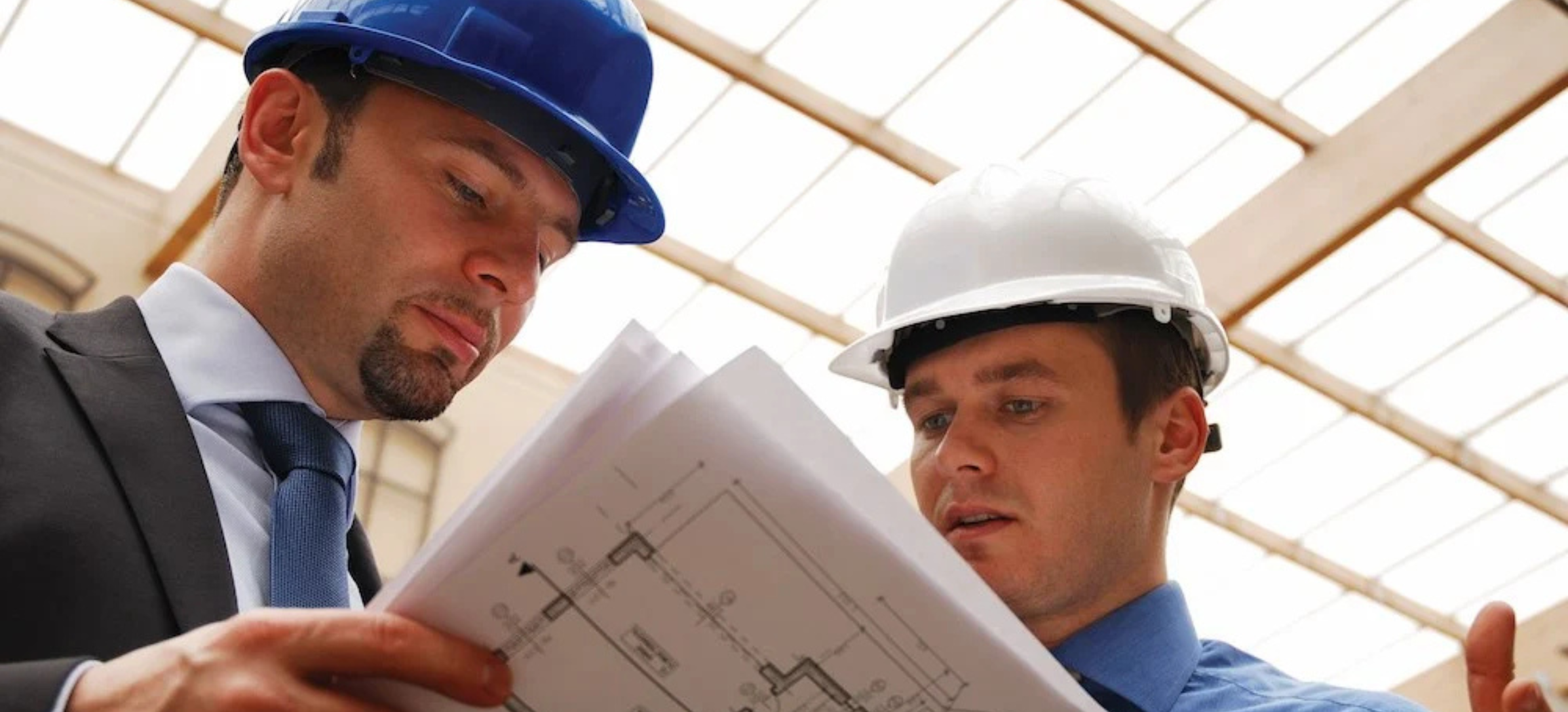
Projects that once required full demo can now be reimagined as surface renewals. This reduces overall project timelines and ensures spaces remain operational during upgrades. In sectors where downtime means lost revenue or disrupted services (like hospitals, schools, or corporate offices) this is a critical advantage.
Cost Comparison: Restoration Vs. Replacement
An Investment That Performs Over Time
Restored surfaces are more than a cosmetic update. When bonded and sealed correctly, restored tile and grout resist stains, moisture, and odor-causing bacteria. They’re also easier for janitorial teams to maintain, reducing long-term cleaning costs and helping facilities stay compliant with hygiene standards.
For project stakeholders, this means the investment doesn’t just save money at install. It continues to pay off in reduced maintenance hours, improved tenant satisfaction, and lower life-cycle costs.
Strategic Design Meets Financial Intelligence
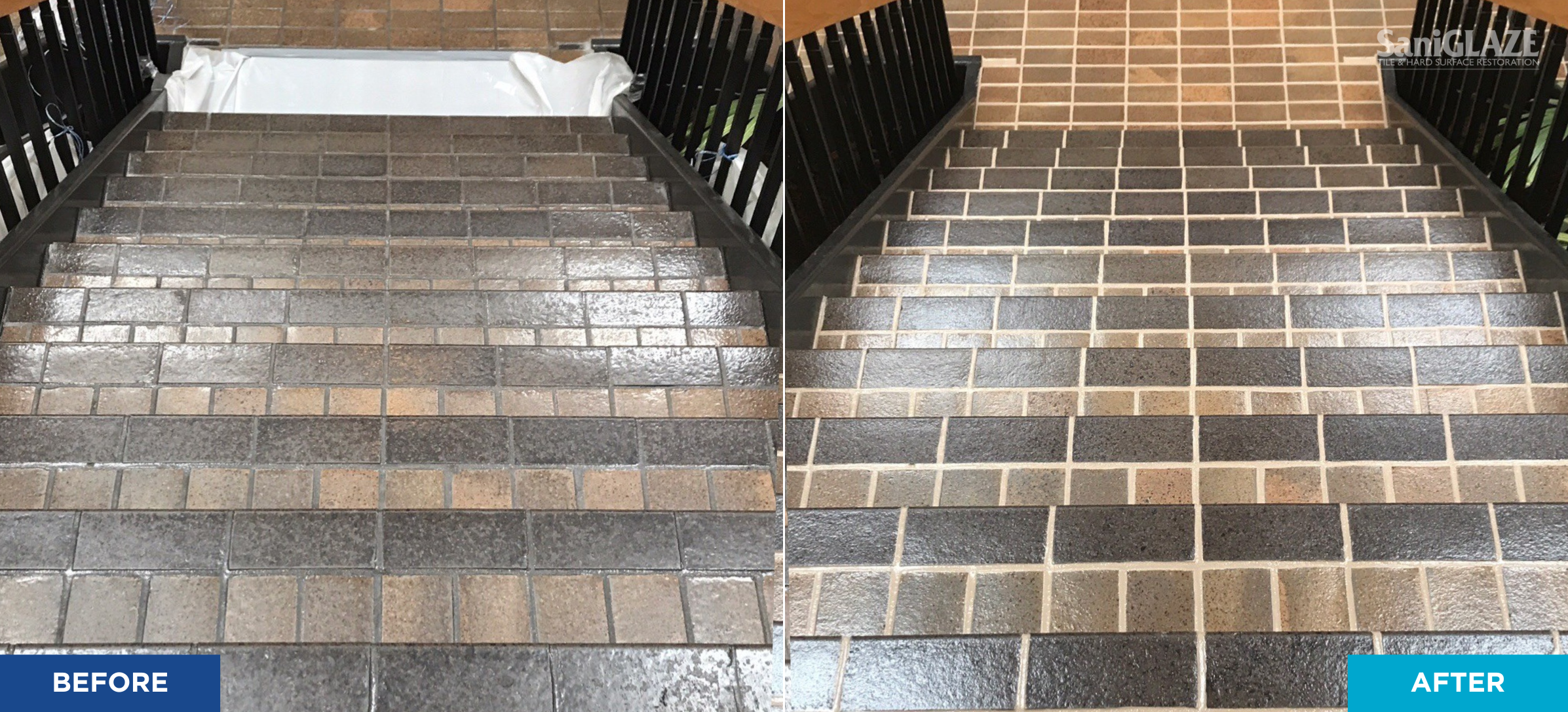
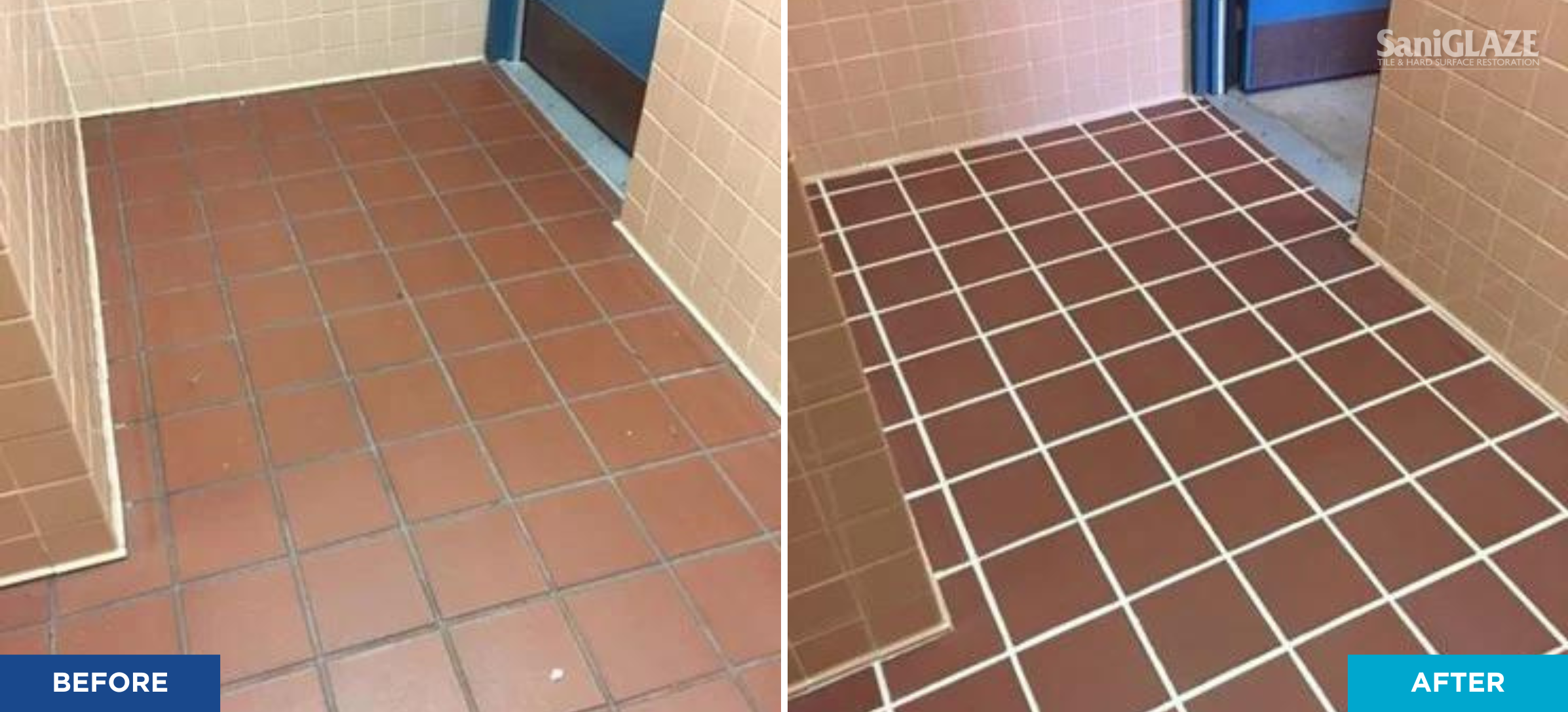
Restoration is more than a cosmetic fix. It's a design-aligned solution that supports sustainability goals, reduces operational costs, and delivers real value to commercial environments.
-1.png?width=2393&height=1087&name=Blog%20BA%20(1)-1.png)
If your next project involves aging tile and grout, consider surface restoration as a way to meet design standards while protecting the bottom line.
Ready to explore your options? Schedule a consultation to see how restoration with SaniGLAZE can fit your project scope, timeline, and budget.
Frequently Asked Questions About Restoration as a Design Strategy
What does restoration as a design strategy mean?
Restoration as a design strategy means using the existing tile, grout, and hard surface structure as the foundation for improvement instead of immediately replacing it. The goal is to preserve the original design intent while upgrading appearance, cleanability, durability, and long-term performance.
Why are architects and property managers considering restoration instead of replacement?
Architects and property managers are considering restoration because it can preserve the look and function of an existing space while reducing demolition, waste, downtime, and project costs. In many commercial environments, restoration allows teams to modernize worn surfaces without sacrificing the design character of the building.
Can restoration preserve the original aesthetic of a commercial space?
Yes. Restoration can help preserve the original aesthetic when the existing tile, grout, color palette, layout, or architectural character still supports the design vision. SaniGLAZE processes can refresh worn surfaces, restore grout lines, add protective finishes, and, when needed, adjust color or sheen to complement the surrounding environment.
Is restoration only a cosmetic improvement?
No. Restoration is not just cosmetic. A properly restored surface can also improve cleanability, moisture resistance, stain resistance, odor control, and long-term maintenance performance. The surface may look better, but the bigger value is often improved function and extended lifecycle.
How does restoration help reduce project costs?
Restoration helps reduce costs by avoiding many expenses tied to full replacement, including demolition, disposal, new materials, installation labor, project delays, and extended facility closures. The article notes that restoration is typically 50–60% less expensive than full tile and grout replacement, depending on project scope and surface condition.
How does restoration reduce downtime?
Restoration can reduce downtime because existing surfaces often remain in place. This avoids lengthy demolition and replacement schedules. Work can often be phased by area, restroom, corridor, floor, building, or tenant space so the facility can remain operational during improvements.
What types of spaces are good candidates for restoration?
Good candidates include lobbies, restrooms, cafeterias, corridors, locker rooms, showers, commercial kitchens, healthcare spaces, schools, universities, office buildings, hospitality properties, government facilities, and other high-traffic areas where tile and grout are worn but still structurally sound.
When is restoration better than replacement?
Restoration may be better than replacement when the existing tile and grout are structurally stable but look worn, stained, outdated, porous, or difficult to maintain. If the design layout is still acceptable and the surface does not require full demolition, restoration can provide a strong balance of aesthetics, performance, and cost control.
When is replacement still necessary?
Replacement may be necessary when tile is loose, cracked beyond repair, failing below the surface, affected by severe moisture problems, or installed over a compromised substrate. A professional assessment is important because restoration works best when the underlying surface is still sound.
How does restoration support sustainability goals?
Restoration supports sustainability by keeping usable materials in place and reducing landfill waste, demolition debris, replacement materials, transportation impacts, and project-related resource consumption. For facilities with sustainability goals, restoration can be a practical way to improve surfaces while reducing unnecessary waste.
Can restoration be included in the architectural specification process?
Yes. Restoration can be considered during the design and specification phase as a value-engineering option. Architects and designers can evaluate whether existing surfaces can be renewed, protected, recolored, or integrated into the final design rather than removed and replaced.
Does restoration limit design flexibility?
No. Restoration can often expand design flexibility by giving project teams options for color, finish, sheen, grout appearance, protective coatings, and coordinated surface upgrades. This allows facilities to refresh the look of a space while maintaining continuity with existing materials.
How does SaniGLAZE help with color and design continuity?
SaniGLAZE can help restore, protect, or recolor existing hard surfaces so they coordinate with the broader design plan. Depending on the selected process, surfaces can be refreshed to maintain the original look or updated to better match new finishes, fixtures, branding, or renovation goals.
How does restoration improve long-term maintenance?
Restored tile and grout can be easier to maintain because protective systems help resist moisture, stains, odor-causing bacteria, and embedded soil. This can reduce long-term cleaning challenges and help janitorial teams keep surfaces looking cleaner between maintenance cycles.
Can restoration help facilities stay within budget?
Yes. Restoration can help facilities stretch capital and maintenance budgets by improving existing surfaces instead of replacing them. Cost savings from restoration can also free up budget for other upgrades, such as lighting, fixtures, partitions, signage, or additional facility improvements.
Who should consider SaniGLAZE restoration during a renovation project?
Architects, designers, property managers, facility directors, healthcare facility teams, school administrators, hospitality operators, government agencies, and commercial building owners should consider SaniGLAZE restoration when they want to preserve design quality, reduce downtime, control costs, and extend the life of existing tile and grout surfaces.
How do I know if restoration fits my project scope?
The best starting point is a professional surface evaluation. A SaniGLAZE Service Provider can review surface condition, design goals, operational requirements, budget, timeline, and maintenance challenges to determine whether restoration, color glazing, protective coating, or replacement is the right approach.