
 Schedule a Consultation!
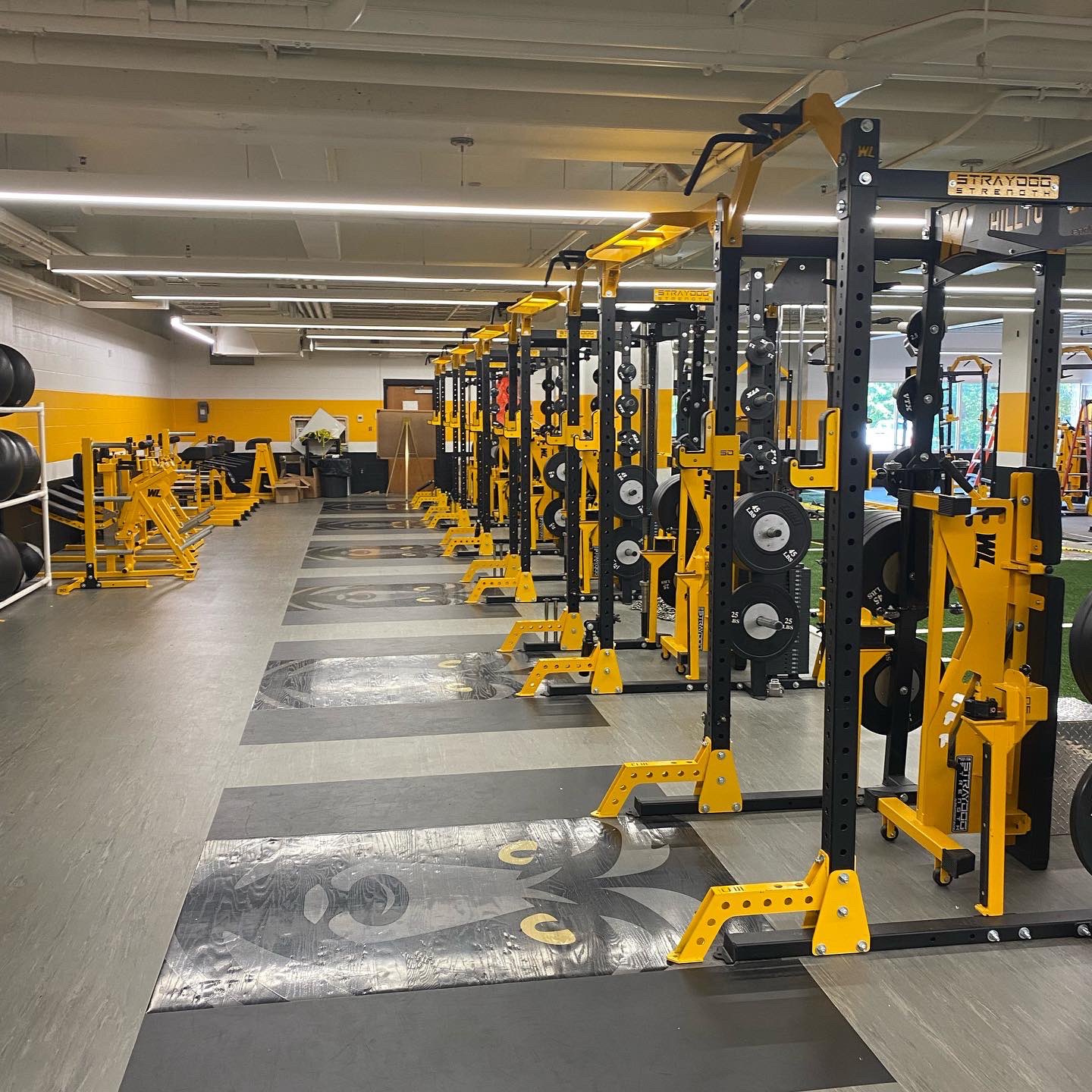
Maintaining and cleaning athletic facilities is essential to ensure they are safe and pleasant places to exercise and play sports. In today's post, we'll run through a few best practices to remember as you maintain athletic facilities.
Keep the Facility Clean and Free of Debris
Maintaining a clean facility is paramount and includes examples such as picking up trash, wiping down surfaces, and sweeping or vacuuming the floor.
Disinfect Frequently Touched Surfaces
Proper facilities hygiene is also critical in the post-Covid era. High-touch areas include door handles, handrails, and bathrooms. Maintaining a cleaning schedule helps to prevent the spread of germs and illnesses.
Sanitize Equipment
Be sure to regularly wipe down and disinfect any equipment that multiple people use, such as weights and cardio machines.
Repair any Damaged Equipment
Fixing any broken or damaged equipment is essential to prevent accidents and injuries.
Follow Proper Maintenance Procedures
Preventative maintenance helps to eliminate surprise repairs down the road by spotting minor issues before they become major. Examples include regularly checking and replacing equipment, such as air filters in air conditioning units, and maintaining proper pH levels in pools.
Use Proper Cleaning Products
Use cleaning products specifically designed for athletic facilities, as they are more effective at removing dirt and sweat and are less likely to damage surfaces.
Keep the Facility Well-Ventilated
Proper ventilation helps to keep the air fresh and can help to prevent the spread of germs. Pay close attention to having your HVAC system regularly maintained including changing air filters. Better Homes and Gardens recommends replacing air filters once every 30 days.
Enforce Safety Rules
Ensure that all facility users follow safety rules, such as wearing appropriate shoes and using equipment correctly.
Have a System in Place for Handling Accidents
Have a plan for handling accidents and injuries, including a well-stocked first aid kit and trained staff who know how to respond in an emergency.
Follow all Local and State Regulations
Be sure to follow all relevant regulations regarding the maintenance and cleaning of athletic facilities. By formulating and sticking with the best practices most suited for your facility, you can help ensure that your athletic facility is safe and enjoyable for everyone to use.
Advanced Athletic Facilities Management Techniques
At SaniGLAZE, we are in the business of restoring tile and hard surfaces to like-new condition. The beauty of our proprietary processes is that your athletic facility goes through less downtime at less expense than traditional replacement. With years of experience and thousands of successful projects, we are your go-to for making your athletic facilities feel like the pros with completely rejuvenated surfaces.
Let your tile and surfaces shine like new again with beauty and protection all in one. Contact our team today to discuss your facility’s needs with our friendly and knowledgeable tile and restoration specialists.
Frequently Asked Questions About Maintaining and Cleaning Athletic Facilities
Why is regular cleaning important in athletic facilities?
Regular cleaning is important because athletic facilities experience heavy foot traffic, sweat, moisture, dirt, shared equipment use, and frequent surface contact. Consistent cleaning helps create a safer, healthier, and more pleasant environment for athletes, students, staff, visitors, and spectators.
What are the most important areas to clean in an athletic facility?
The most important areas to clean include floors, locker rooms, showers, restrooms, weight rooms, cardio areas, training rooms, benches, handrails, door handles, equipment touchpoints, entryways, and any other spaces that receive heavy daily use.
Why should athletic facilities stay free of debris?
Debris can create slip, trip, and fall hazards. Trash, dirt, dust, loose items, and moisture can also make the facility look poorly maintained and can contribute to surface wear. Keeping the facility free of debris helps improve safety, appearance, and day-to-day operations.
How often should athletic facilities disinfect high-touch surfaces?
High-touch surfaces should be disinfected frequently, especially in busy athletic environments. Door handles, handrails, restroom surfaces, locker room touchpoints, benches, equipment handles, and shared machines should be cleaned on a consistent schedule to help reduce the spread of germs and illness.
Why is equipment sanitizing important?
Athletic equipment is shared by many users and can collect sweat, oils, dirt, and bacteria. Regularly sanitizing weights, cardio machines, mats, benches, and other shared equipment helps protect users and supports a cleaner facility environment.
What happens if damaged equipment is not repaired?
Damaged equipment can create safety risks and increase the chance of accidents or injuries. Broken machines, loose hardware, worn padding, damaged flooring, and unstable fixtures should be repaired quickly to protect users and reduce liability concerns.
What is preventive maintenance in an athletic facility?
Preventive maintenance means regularly inspecting and servicing facility systems, equipment, surfaces, and mechanical components before problems become expensive failures. This may include checking equipment, maintaining HVAC systems, replacing filters, monitoring pool chemistry, inspecting floors, and documenting repairs.
Why should athletic facilities use cleaning products designed for their environment?
Athletic facilities need cleaning products that can handle sweat, dirt, oils, bacteria, moisture, and high-traffic soils without damaging surfaces. The wrong products can leave residue, reduce traction, discolor surfaces, weaken finishes, or make floors harder to maintain over time.
How does ventilation affect athletic facility cleanliness?
Proper ventilation helps maintain indoor air quality, control odors, reduce moisture buildup, and support a healthier environment. Locker rooms, showers, fitness areas, and indoor training spaces especially benefit from strong airflow and properly maintained HVAC systems.
Why are safety rules important in athletic facilities?
Safety rules help prevent avoidable injuries. Rules about proper footwear, correct equipment use, facility access, wet areas, emergency procedures, and supervision help protect athletes, students, staff, and visitors.
What should an athletic facility accident-response plan include?
An accident-response plan should include a stocked first aid kit, trained staff, emergency contact procedures, incident documentation, clear reporting steps, and a process for addressing hazards quickly after an incident occurs.
Why do athletic facilities need to follow local and state regulations?
Athletic facilities may be subject to health, safety, sanitation, accessibility, building, pool, and operational regulations. Following applicable rules helps protect users, reduce liability, and keep the facility in good standing with local and state requirements.
Why are locker rooms and showers difficult to maintain?
Locker rooms and showers are difficult to maintain because they are exposed to moisture, sweat, soap residue, body oils, bacteria, odors, and constant traffic. Tile and grout in these areas can become stained, porous, slippery, and difficult to clean if not properly maintained and protected.
How can tile and grout restoration help athletic facilities?
Tile and grout restoration can help athletic facilities improve appearance, reduce odors, address stained grout, improve cleanability, and extend the life of existing surfaces. SaniGLAZE restoration can help rejuvenate worn athletic facility surfaces without the disruption and cost of full replacement.
How is SaniGLAZE different from routine athletic facility cleaning?
Routine cleaning removes surface-level soil. SaniGLAZE restoration goes deeper by addressing embedded contamination, stained grout, worn tile, and porous hard surfaces. The process is designed to restore and protect existing surfaces so they are easier to maintain over time.
Can SaniGLAZE help reduce downtime in athletic facilities?
Yes. SaniGLAZE can often restore existing tile and hard surfaces with less downtime than traditional demolition and replacement. This is especially valuable for schools, universities, fitness centers, recreation centers, and athletic facilities that need to keep spaces available for daily use.
Is restoration more cost-effective than replacement?
Restoration is often more cost-effective when the existing tile, grout, and hard surfaces are structurally sound. It can help facilities avoid demolition, disposal, new material costs, extended closures, and major construction disruption.
What athletic facility surfaces can SaniGLAZE help restore?
SaniGLAZE can help restore tile, grout, and other hard surfaces in locker rooms, showers, restrooms, corridors, training areas, public spaces, and other high-use athletic facility environments. A professional assessment can determine which process is best for each surface.
How do I know if my athletic facility needs restoration?
Signs that restoration may be needed include stained grout, persistent odors, surfaces that look dirty after cleaning, worn tile, slippery areas, cracked or missing grout, moisture absorption, recurring complaints, or surfaces that require constant aggressive cleaning.
What is the best first step for improving athletic facility maintenance?
The best first step is to assess the facility’s highest-use and highest-risk areas. Document cleaning challenges, odors, damaged surfaces, safety concerns, and recurring maintenance issues. A SaniGLAZE Service Provider can then evaluate whether restoration, protection, or a long-term maintenance plan is the right solution.