
 Schedule a Consultation!
Polyaspartic floor coating systems deliver fast-curing, high-performance protection for commercial facilities requiring maximum durability with minimal downtime.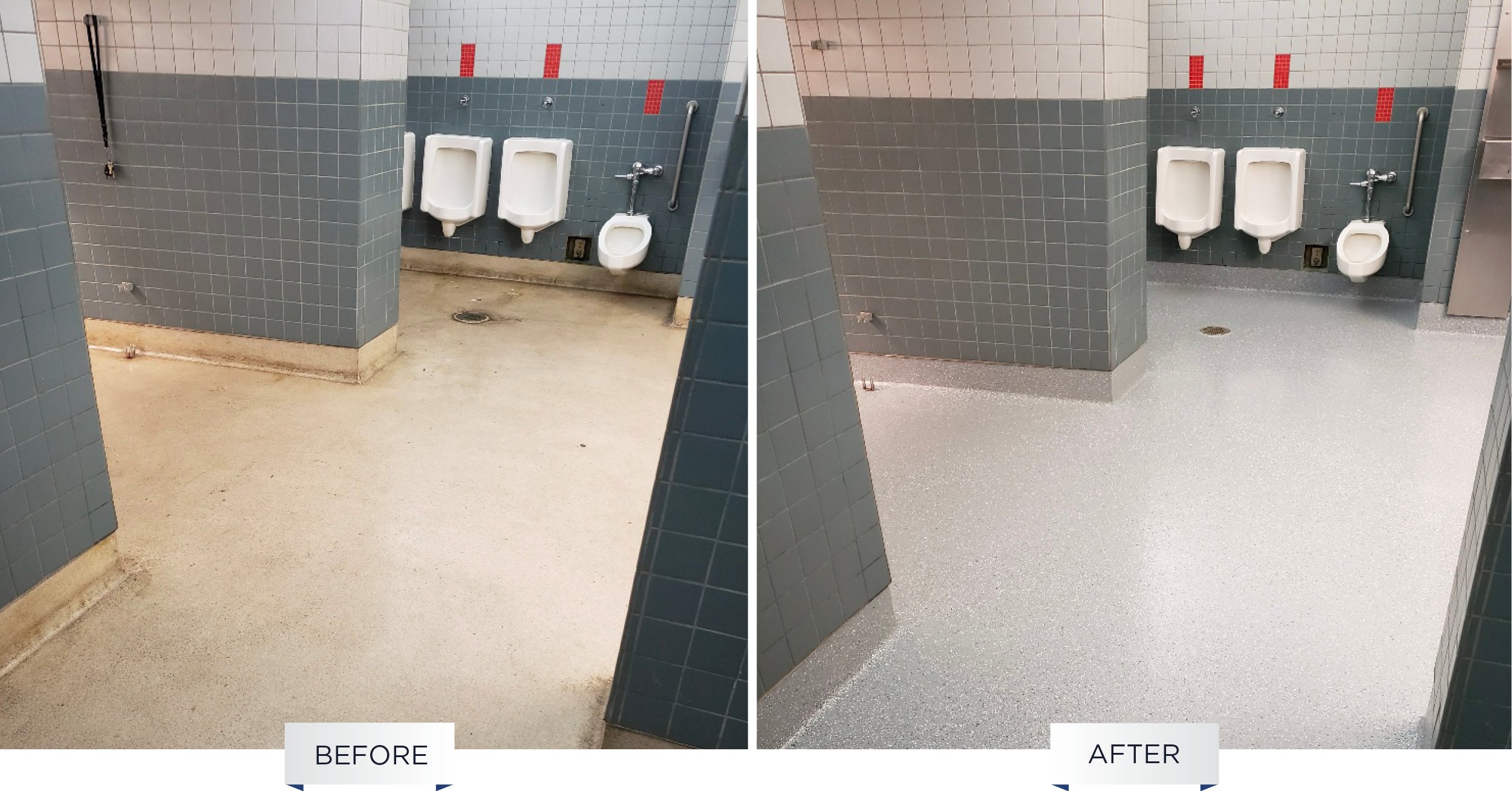
What Polyaspartic Technology Means for Commercial Floor Restoration
Polyaspartic coatings represent a significant advancement in commercial floor restoration technology. Unlike traditional epoxy systems that require extended cure times, polyaspartic technology delivers rapid curing without compromising durability or performance. This innovation allows facility managers, property owners, and architects to restore and protect existing hard surfaces while maintaining operational continuity.
Polyaspartic floor coating systems function as high-performance topcoats or standalone restoration solutions. The technology utilizes aliphatic polyurea chemistry to create a protective barrier that bonds to concrete, tile, and previously coated surfaces. This molecular bond creates a seamless, non-porous layer that resists moisture intrusion, chemical exposure, and mechanical wear.
For commercial facilities evaluating restoration alternatives, polyaspartic systems offer distinct advantages over traditional coating technologies. The fast-cure chemistry allows surfaces to return to service in a fraction of the time required by conventional epoxy coatings. This translates to reduced operational disruption and lower indirect costs associated with facility downtime.
Polyaspartic technology integrates seamlessly with comprehensive restoration processes. When combined with proper surface preparation, moisture mitigation, and substrate evaluation, polyaspartic coatings deliver long-term protection that extends the lifecycle of existing hard surfaces. This systematic approach ensures optimal adhesion, performance consistency, and durability across diverse commercial environments.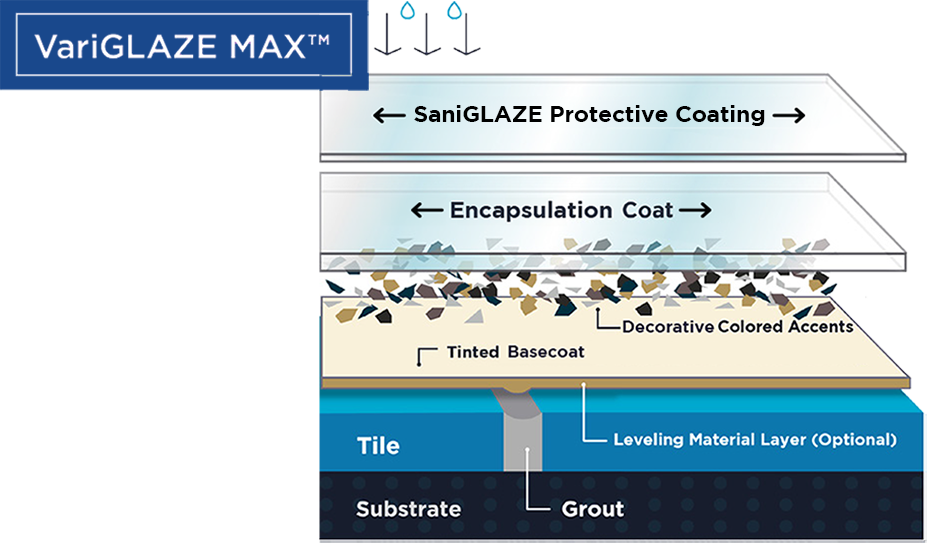
Fast-Cure Performance That Minimizes Operational Disruption
The defining characteristic of polyaspartic floor coating systems is their rapid cure profile. Traditional epoxy coatings typically require 24 to 72 hours before surfaces can withstand foot traffic, and full cure may take seven days or longer. Polyaspartic systems can cure to full hardness in as little as one to two hours, depending on environmental conditions and system design.
This accelerated timeline creates substantial operational advantages for commercial facilities. Healthcare facilities can restore restroom floors during overnight shifts, returning critical areas to service by morning. Educational institutions can complete locker room restorations during weekend schedules without disrupting Monday morning activities. Hospitality properties can refresh high-visibility lobby areas between guest check-out and check-in cycles.
Fast-cure performance does not compromise installation quality or long-term durability. Polyaspartic chemistry achieves full cross-linking rapidly while maintaining the chemical resistance and mechanical strength required for high-traffic commercial environments. The technology delivers performance characteristics comparable to or exceeding traditional epoxy systems while dramatically reducing downtime.
Facility managers evaluating restoration timelines should consider both direct and indirect costs associated with operational disruption. Extended closure periods affect revenue generation, staff productivity, and customer satisfaction. Polyaspartic systems minimize these indirect costs by compressing restoration schedules without sacrificing quality or longevity. This makes the technology particularly valuable for 24-hour operations, high-traffic public areas, and facilities with limited maintenance windows.
Environmental conditions influence cure rates for all coating systems. Temperature, humidity, and airflow affect polyaspartic performance just as they impact epoxy systems. Professional applicators evaluate site conditions and adjust material formulations to optimize cure times while ensuring proper chemical cross-linking. This systematic approach ensures consistent results across varying installation environments.
Durability Standards for High-Traffic Commercial Environments
Commercial floor coatings must withstand mechanical wear, chemical exposure, and moisture intrusion while maintaining appearance and structural integrity. Polyaspartic technology delivers performance characteristics engineered for demanding commercial applications. The aliphatic chemistry provides superior UV stability, abrasion resistance, and chemical tolerance compared to aromatic epoxy formulations.
Abrasion resistance determines how well a coating withstands foot traffic, rolling loads, and mechanical wear. Polyaspartic coatings exhibit exceptional hardness and flexibility, allowing them to resist surface scratching while accommodating substrate movement. This combination prevents premature coating failure in high-traffic areas such as commercial kitchens, hospital corridors, school hallways, and retail spaces.
Chemical resistance is critical for facilities exposed to cleaning agents, food acids, body fluids, and industrial contaminants. Polyaspartic formulations create a tightly cross-linked molecular structure that resists chemical penetration and surface degradation. This makes the technology suitable for healthcare facilities requiring harsh disinfectants, commercial kitchens exposed to oils and acids, and industrial spaces with solvent exposure.
UV stability ensures coating appearance remains consistent when exposed to natural or artificial lighting. Aromatic epoxy coatings tend to amber or yellow under UV exposure, creating aesthetic inconsistencies over time. Polyaspartic chemistry maintains color stability and gloss retention, preserving the intended appearance throughout the coating lifecycle. This characteristic is particularly valuable for facilities with large windows or high-intensity lighting systems.
Moisture tolerance affects both installation requirements and long-term performance. While proper substrate preparation remains essential, polyaspartic systems demonstrate superior moisture resistance compared to traditional coatings. This allows application over substrates with higher relative humidity levels and provides enhanced protection against moisture vapor transmission from concrete slabs. For facilities with moisture concerns, this characteristic reduces the risk of coating delamination and extends system longevity.
Durability standards vary based on specific facility requirements. A decorative finish in a hotel lobby demands different performance characteristics than a seamless floor system in a commercial kitchen. Professional evaluation considers substrate condition, traffic patterns, chemical exposure, cleaning protocols, and lifecycle expectations to determine whether polyaspartic technology represents the optimal solution for each application.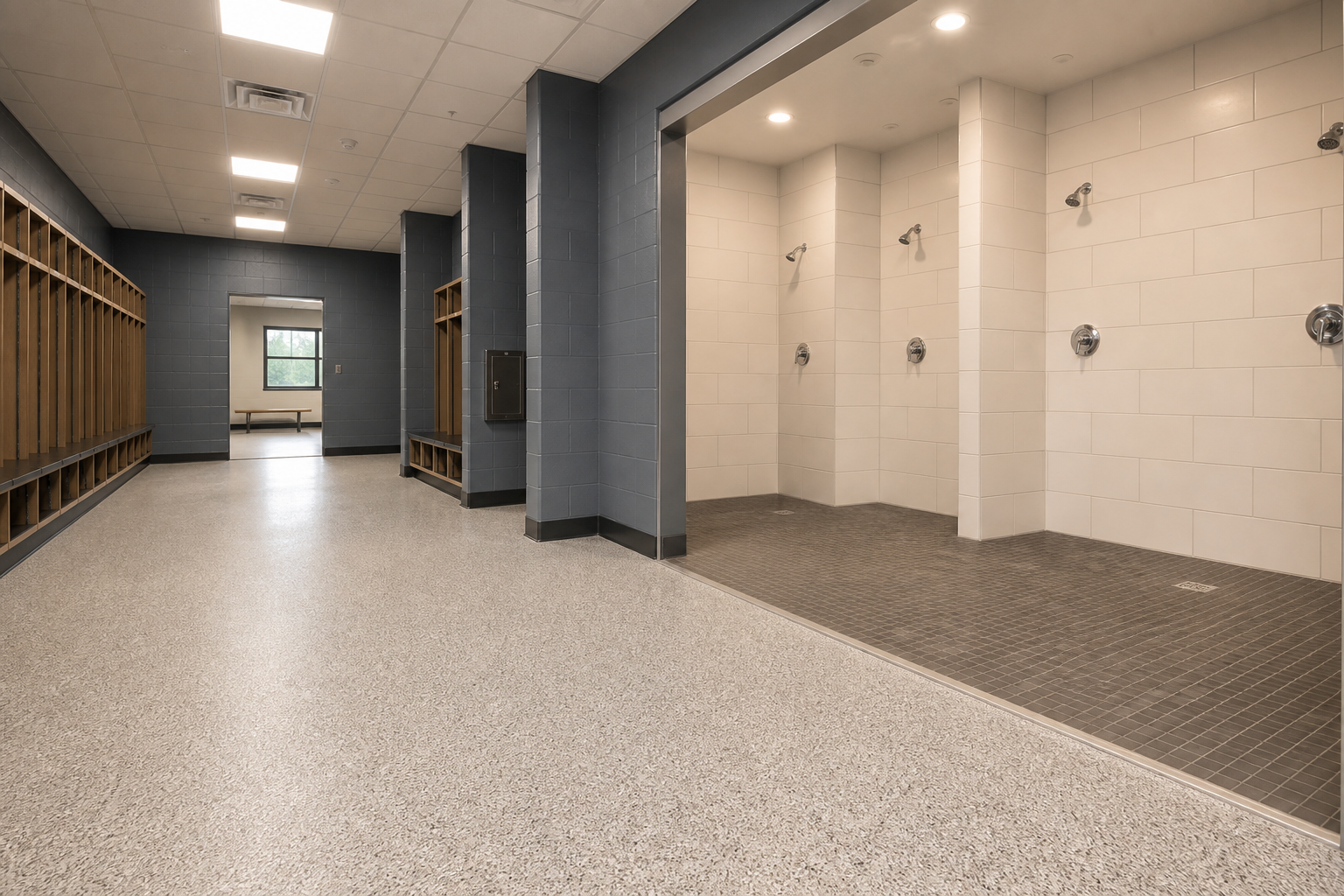
Chemical Resistance and Maintenance Benefits for Facility Managers
Maintenance requirements directly impact the total lifecycle cost of commercial flooring systems. Polyaspartic coatings create seamless, non-porous surfaces that simplify cleaning protocols and reduce ongoing maintenance expenses. The smooth, sealed finish prevents soil penetration, eliminates grout lines that trap contaminants, and allows efficient cleaning with standard facility equipment and protocols.
Chemical resistance determines how well a coating withstands exposure to cleaning agents, disinfectants, and operational contaminants. Healthcare facilities require coatings that tolerate bleach-based disinfectants, quaternary ammonium compounds, and hydrogen peroxide solutions. Commercial kitchens expose floors to acids from food preparation, alkaline degreasers, and hot water washdowns. Industrial facilities may introduce solvents, oils, and specialty chemicals. Polyaspartic formulations resist degradation from these exposures, maintaining surface integrity and appearance.
The seamless nature of polyaspartic floor systems eliminates the maintenance challenges associated with grouted tile installations. Traditional tile and grout surfaces harbor bacteria in porous grout lines, require frequent scrubbing to remove embedded soils, and deteriorate under moisture exposure. Polyaspartic coatings create a monolithic surface without joints or seams where contaminants accumulate. This translates to faster cleaning cycles, reduced labor costs, and improved hygiene standards.
Slip resistance requirements vary by application and regulatory standards. Polyaspartic systems can incorporate texture additives, broadcast aggregates, or specialized topcoats to achieve required coefficient of friction values. Healthcare facilities, locker rooms, and commercial kitchens benefit from enhanced traction without sacrificing cleanability. Professional evaluation determines the appropriate slip resistance level based on facility type, traffic patterns, and applicable safety codes.
Maintenance protocols for polyaspartic coatings align with standard facility practices. Daily cleaning with neutral pH cleaners removes surface soils without degrading the coating. Periodic deep cleaning with appropriate degreasers or disinfectants maintains appearance and hygiene standards. Unlike porous tile and grout systems that require specialty cleaning equipment and harsh chemicals, polyaspartic surfaces respond to conventional maintenance methods.
Lifecycle cost analysis should consider initial installation expenses, ongoing maintenance requirements, and expected service life. While polyaspartic systems may carry higher initial costs than basic epoxy coatings, the reduced maintenance expenses, extended durability, and minimal downtime often result in lower total ownership costs. Facility managers evaluating flooring alternatives should calculate lifecycle costs over a realistic service period rather than focusing exclusively on initial installation pricing.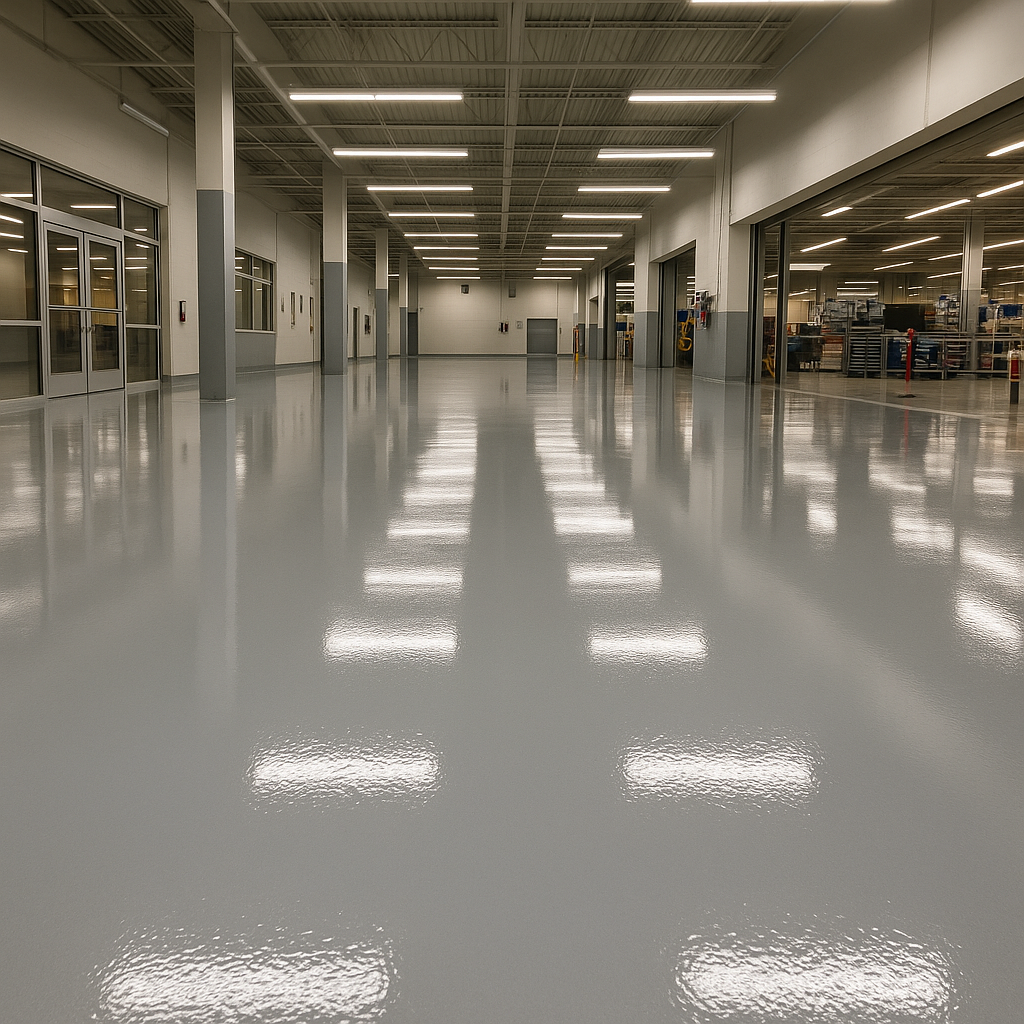
System Integration with Advanced Surface Restoration Processes
Polyaspartic technology functions as both a standalone coating system and an integrated component within comprehensive restoration processes. The optimal application depends on substrate condition, facility requirements, and performance expectations. Professional evaluation determines whether polyaspartic coatings should serve as the primary restoration system, a protective topcoat over epoxy base layers, or a component within a multi-layer restoration process.
Substrate condition fundamentally affects system selection. Concrete surfaces in good condition with minimal cracking, spalling, or moisture concerns may accept direct polyaspartic application. Heavily damaged concrete may require repair compounds, moisture mitigation systems, or high-build epoxy base coats before polyaspartic topcoat application. Existing tile installations may need evaluation for proper adhesion, grout repair, or surface preparation before coating installation.
Moisture concerns require systematic evaluation and mitigation. Concrete slabs exposed to groundwater, inadequate vapor barriers, or high relative humidity conditions demand moisture testing before coating installation. Calcium chloride tests, relative humidity probes, and moisture meters provide quantitative data about substrate moisture levels. When moisture levels exceed coating tolerances, vapor barrier systems create protective layers that prevent moisture-related coating failure. Polyaspartic coatings can then be applied over properly prepared vapor barrier systems.
Multi-layer systems combine the strengths of different coating technologies. High-build epoxy base coats provide excellent substrate penetration, fill minor surface irregularities, and create uniform foundations for topcoat application. Polyaspartic topcoats deliver rapid cure times, superior chemical resistance, and UV stability. This integrated approach optimizes performance characteristics while minimizing downtime through fast-cure topcoat technology.
Tile restoration represents a specialized application where polyaspartic systems deliver significant value. Rather than removing and replacing deteriorated tile installations, restoration processes can restore existing tile and grout to like-new condition. This involves deep cleaning to remove contaminants, grout repair or color restoration, surface preparation to ensure proper adhesion, and protective coating application. Polyaspartic topcoats provide durable, easy-to-clean finishes that extend the lifecycle of existing tile installations while avoiding demolition costs and waste.
SaniGLAZE specializes in evaluating existing hard surfaces and recommending restoration-based solutions tailored to facility requirements. The assessment considers substrate type and condition, moisture concerns, traffic patterns, chemical exposure, slip resistance requirements, appearance expectations, budget parameters, and operational constraints. This systematic evaluation determines whether basic coatings, high-build epoxy systems, full-broadcast decorative floors, polyaspartic topcoats, or comprehensive tile restoration processes represent the optimal solution.
No single coating system serves all applications optimally. Basic epoxy coatings offer economical protection for concrete in good condition with moderate traffic and chemical exposure. High-build epoxy systems provide enhanced durability and fill minor surface imperfections. Full-broadcast systems incorporate decorative aggregates for enhanced aesthetics and slip resistance. Polyaspartic topcoats deliver rapid cure times and superior chemical resistance. Tile restoration processes extend the life of existing installations without replacement costs. Professional guidance helps facility managers, architects, and property owners select systems aligned with facility goals, substrate conditions, and performance requirements.
The expertise required for proper system selection and installation extends beyond product knowledge. Surface preparation techniques, moisture mitigation protocols, application methods, and quality control measures determine long-term system performance. SaniGLAZE provides comprehensive evaluation services, systematic application processes, and ongoing support to ensure restoration projects deliver expected performance and durability. This integrated approach ensures facilities receive appropriate solutions rather than generic product applications.
Frequently Asked Questions About Polyaspartic Floor Coating for Commercial Spaces
What is polyaspartic floor coating?
Polyaspartic floor coating is a high-performance protective coating system used on commercial floors to create a durable, seamless, non-porous surface. It is commonly used as a fast-curing topcoat or as part of a multi-layer floor restoration system over concrete, tile, or properly prepared existing surfaces.
Why are polyaspartic coatings used in commercial facilities?
Polyaspartic coatings are used in commercial facilities because they provide strong durability, fast return-to-service times, chemical resistance, UV stability, and easier maintenance. They are especially useful in facilities where downtime must be minimized, such as healthcare buildings, schools, hospitality properties, commercial kitchens, locker rooms, and high-traffic public spaces.
How fast does polyaspartic floor coating cure?
Polyaspartic coatings are known for their rapid cure times. Depending on the system design and environmental conditions, some polyaspartic systems can cure much faster than traditional epoxy coatings, allowing floors to return to service in a shorter maintenance window. Temperature, humidity, airflow, substrate condition, and application method all affect cure speed.
Is polyaspartic better than epoxy flooring?
Polyaspartic and epoxy systems each have advantages. Epoxy is often used as a strong base layer or build coat, while polyaspartic is commonly used as a fast-curing, UV-stable, chemically resistant topcoat. In many commercial applications, the best solution is not one material alone, but a properly designed system that may combine epoxy base layers with polyaspartic topcoats for durability, appearance, and reduced downtime.
Can polyaspartic coatings be used over existing tile?
Yes, polyaspartic coatings may be used over existing tile when the tile is structurally sound, properly bonded, clean, dry, and correctly prepared. The surface must be evaluated for adhesion, moisture, grout condition, contamination, cracks, and overall stability before coating. In some cases, tile restoration or a multi-layer system may be a better solution than complete removal and replacement.
Are polyaspartic floors easy to clean?
Yes. Polyaspartic floor systems create a seamless, non-porous surface that helps prevent soil, moisture, and contaminants from penetrating the floor. This can make daily cleaning easier compared to porous tile and grout surfaces. Routine cleaning with appropriate neutral cleaners and periodic deep cleaning can help maintain appearance, hygiene, and long-term performance.
Are polyaspartic coatings chemical-resistant?
Polyaspartic coatings are designed to resist many common commercial exposures, including cleaning agents, disinfectants, food acids, oils, degreasers, and operational contaminants. This makes them useful in healthcare facilities, commercial kitchens, restrooms, locker rooms, industrial spaces, and other environments where floors are exposed to frequent cleaning or chemical contact.
Are polyaspartic floors slip-resistant?
Polyaspartic floors can be made slip-resistant by incorporating texture additives, broadcast aggregates, or specialized topcoats. The right level of traction depends on the facility type, traffic patterns, wet conditions, safety requirements, and cleanability needs. Professional evaluation is important because overly smooth floors may lack traction, while overly aggressive textures may be harder to clean.
How long does a polyaspartic floor coating last?
The lifespan of a polyaspartic floor coating depends on substrate condition, surface preparation, coating system design, traffic levels, chemical exposure, cleaning practices, moisture conditions, and ongoing maintenance. A properly installed system in a commercial facility can provide long-term protection when matched correctly to the environment and maintained according to professional recommendations.
What types of commercial spaces benefit from polyaspartic floor coatings?
Polyaspartic floor coatings are well suited for commercial restrooms, locker rooms, healthcare facilities, schools, universities, commercial kitchens, hospitality spaces, retail areas, corridors, public buildings, industrial spaces, and other high-traffic environments. They are especially valuable where durability, cleanability, appearance, and limited downtime are priorities.
Does polyaspartic coating help reduce maintenance costs?
Polyaspartic coatings can help reduce maintenance costs by creating a sealed, easy-to-clean surface that resists moisture, staining, chemical exposure, and surface wear. Because contaminants remain on the surface instead of penetrating into porous grout or concrete, cleaning can become more efficient and less labor-intensive over time.
How does SaniGLAZE determine whether polyaspartic coating is the right solution?
SaniGLAZE evaluates the existing hard surface, substrate condition, moisture concerns, traffic patterns, chemical exposure, slip-resistance needs, appearance goals, budget, and operational schedule before recommending a system. Depending on the facility, the right solution may involve a polyaspartic topcoat, high-build epoxy base layer, decorative broadcast system, tile restoration process, or another restoration-based approach.