
 Schedule a Consultation!
School and university campuses face a constant battle with aging tile surfaces, stained grout, and deteriorating restrooms. Commercial surface restoration offers facility managers a strategic alternative to expensive demolition and replacement. SaniGLAZE delivers advanced restoration solutions that extend the life of existing hard surfaces while reducing long-term maintenance costs.
This article explains what commercial surface restoration means for education facilities, how it works, and why it matters for your campus maintenance budget. You will learn the key benefits, typical applications, and how to determine if restoration is right for your school or university..jpg?width=2500&height=1308&name=EnduraGLAZE%20-%20Office%20of%20Education%20Bathroom%20(4).jpg)
Key Takeaways: What Is Commercial Surface Restoration for Campuses
- Commercial surface restoration restores tile, grout, and hard surfaces to like-new condition without demolition or full replacement.
- School and university facilities benefit from reduced downtime since restoration can be completed during breaks or off-hours.
- SaniGLAZE specializes in proprietary Treatment Processes that create sealed, durable surfaces easier to clean and maintain.
- Restoration extends the lifecycle of existing campus surfaces, reducing waste and supporting sustainability goals.
- Facility managers save significantly compared to replacement while achieving better-than-new appearance and hygiene standards.
What Is Commercial Surface Restoration?
Commercial surface restoration is a systematic process that returns tile, grout, and other hard surfaces to their original or better condition. Rather than tearing out and replacing worn flooring or wall surfaces, restoration uses advanced preparation, cleaning, and protective coating technologies.
The process addresses the root causes of surface deterioration. Porous grout absorbs moisture, dirt, and bacteria over time, leading to staining, odors, and an unsanitary appearance. Restoration seals these surfaces at the molecular level, creating a non-porous barrier.
For education facilities, this means restrooms, locker rooms, cafeterias, and hallways can be refreshed without the disruption of construction. The surfaces become easier to clean with standard custodial practices and maintain their appearance for years.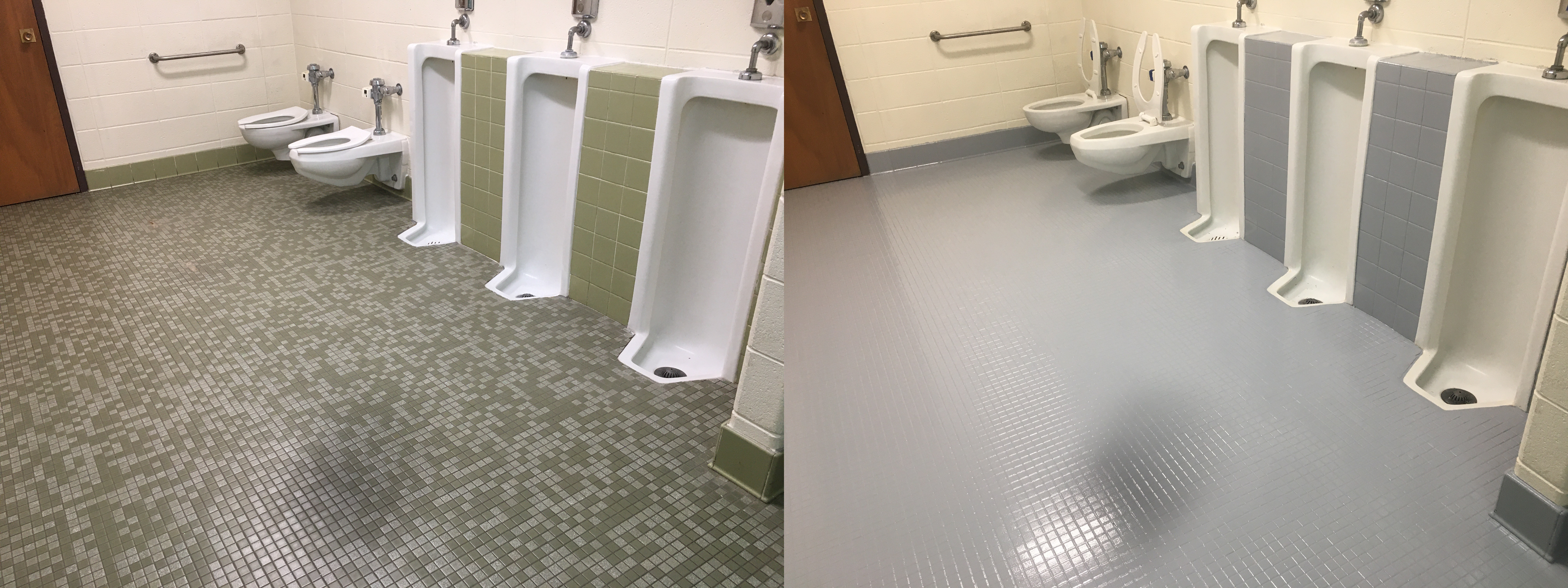
Why Campus Facilities Need Surface Restoration
Schools and universities experience exceptionally heavy foot traffic. According to APPA benchmarks, the average US university carries $11 in deferred maintenance for every $100 of replacement asset value. This backlog compounds annually when surfaces go unaddressed.
High-traffic areas like restrooms and hallways deteriorate faster than residential spaces. A single year of student use in a dormitory or school building equals roughly ten years of typical residential wear. Traditional cleaning methods often make things worse by using harsh chemicals that damage tile and grout surfaces.
Restoration addresses these challenges by creating durable, sealed surfaces that resist future damage. SaniGLAZE gives campus facilities a proven alternative to replacement that fits education budgets and timelines.
How Does the Restoration Process Work?
The commercial surface restoration process follows a systematic approach. First, Service Providers conduct a thorough assessment of existing surfaces to identify damage, staining, and areas requiring attention.
Deep cleaning and surface preparation come next. Products like XcelKLEEN remove years of embedded contaminants, grease, and mineral deposits. This step ensures the best possible bond for protective coatings.
The final stage involves applying proprietary Treatment Processes such as EnduraGLAZE or VariGLAZE. These create a sealed, moisture-resistant barrier that blocks dirt and bacteria penetration. The result is a surface that looks better than new and resists future deterioration.
What Surfaces Can Be Restored on Campus?
Tile and grout flooring, walls, countertops, sinks, tubs, partitions and other surfaces represent the most common restoration applications in education facilities. Restroom floors, shower areas, and locker rooms benefit significantly from restoration due to their exposure to moisture and heavy use.
Cafeterias and dining halls see considerable foot traffic and food spills. Restoration creates surfaces that resist staining and simplify cleanup for custodial staff. Hallways and common areas can be refreshed to maintain a positive campus appearance.
Athletic facilities present unique challenges due to moisture, sweat, and cleaning chemical exposure. SaniGLAZE helps education facilities address these demanding environments with Treatment Processes designed for high-performance applications.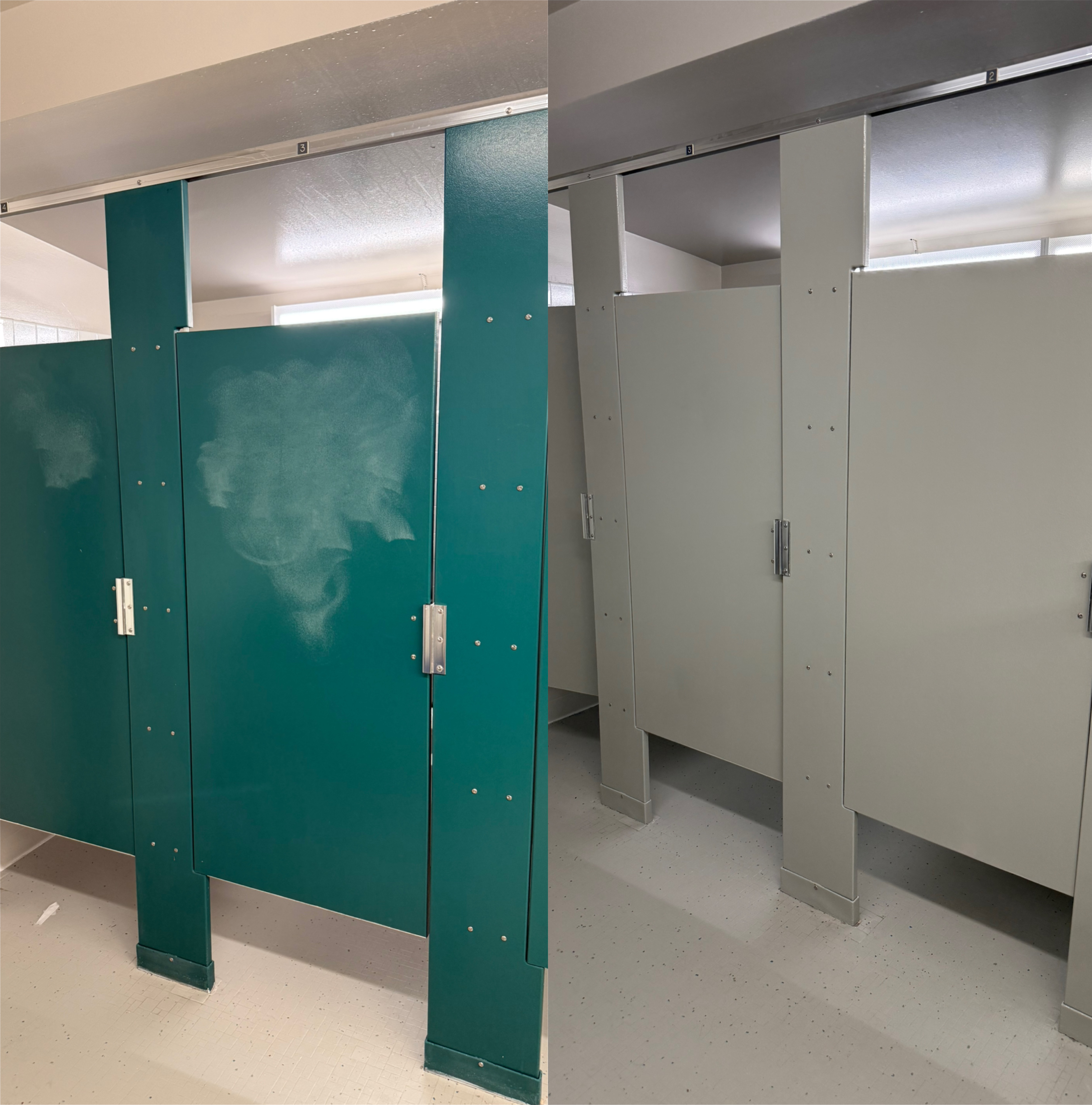
What Are the Benefits for School and University Facilities?
Cost savings represent a primary benefit. Restoration costs a fraction of full tile replacement while delivering comparable or better results. Facilities avoid the expense of demolition, disposal, and new material installation.
Minimal downtime protects academic operations. Restoration projects can be completed during summer breaks, holidays, or overnight without displacing students and staff. A floor treated with SaniGLAZE processes can return to service quickly.
Easier maintenance reduces ongoing custodial burden. Sealed surfaces resist staining and odor absorption, meaning standard cleaning routines become more effective. Surfaces stay cleaner longer with less effort..jpg?width=2500&height=1308&name=VariGLAZE%20-%20Middle%20School%20Locker%20Room%20-%20No%20Logo%20(4).jpg)
Improved Hygiene and Safety
Restoration creates non-porous surfaces that prevent moisture, mold, and bacteria penetration. According to Facilities Management Advisor, maintaining clean tile and grout is essential for occupant health and safety, not just appearances.
Anti-slip additives like SaniGRIP can be incorporated into the restoration process. This enhances traction in wet areas like restrooms and showers while maintaining a clean aesthetic and meeting safety compliance standards.
Sustainability and Waste Reduction
Restoration supports campus sustainability initiatives by extending the life of existing surfaces. Avoiding demolition eliminates construction waste and landfill burden. Education facilities increasingly value eco-friendly maintenance approaches.
How Long Does Campus Surface Restoration Last?
Properly restored surfaces maintain their appearance and protection for years under normal use conditions. The longevity depends on traffic levels, cleaning practices, and the specific Treatment Process applied.
SaniGLAZE offers maintenance programs designed to extend protection over time. Surfaces treated with the right process and maintained according to recommendations can perform well beyond traditional flooring lifecycles.
Regular inspections help identify when refresh applications may be beneficial. This proactive approach prevents surface deterioration before it requires more extensive restoration.
When Should You Choose Restoration Over Replacement?
Restoration is ideal when existing tile is structurally sound but visually deteriorated. Stained grout, worn surfaces, and embedded odors respond well to restoration Treatment Processes. If the underlying substrate remains intact, restoration offers significant value.
Consider restoration when budget constraints limit replacement options. Many education facilities face tight capital budgets that cannot accommodate full renovation projects. Restoration delivers visible results at a fraction of replacement cost.
Timing matters too. When you need results during a limited break period, restoration completes faster than tear-out and reinstallation. SaniGLAZE makes surface restoration practical for education facility schedules.
How to Evaluate Commercial Surface Restoration Services
Look for providers with specific experience in education environments. Campus facilities have unique requirements including compliance standards, scheduling constraints, and high-traffic performance demands.
Ask about the products and processes used. State-of-the-art Treatment Processes backed by proven results matter more than generic coatings. Service Providers should explain how their approach addresses your specific surface challenges.
Request references from similar education facilities. A track record with schools and universities demonstrates understanding of the operational realities facility managers face. Quality restoration partners work around academic calendars and coordinate with campus operations teams.
In Conclusion: Commercial Surface Restoration Supports Campus Maintenance Goals
Commercial surface restoration gives school and university facility managers a proven approach to extending surface life, reducing maintenance burden, and controlling costs. The process restores tile, grout, and hard surfaces to better-than-new condition without the expense and disruption of replacement.
For education facilities facing aging infrastructure and tight budgets, restoration offers a smart alternative. SaniGLAZE brings over 20 years of experience in campus surface restoration, with Treatment Processes designed to meet the demanding requirements of schools and universities nationwide.
FAQs About Commercial Surface Restoration for Campuses
How much does commercial surface restoration cost compared to replacement?
Restoration typically costs 50-80% less than full tile replacement. The exact savings depend on the size of the area, surface condition, and specific Treatment Process required.
You also avoid indirect costs like extended facility closures, construction management, and waste disposal fees that accompany replacement projects.
Can restoration be completed during the school year?
Yes. Many restoration projects can be scheduled during weekends, holidays, or overnight hours. SaniGLAZE helps education facilities complete work with minimal disruption to academic operations.
Summer and winter breaks remain popular timing options for larger projects involving multiple restrooms or high-traffic areas.
Does restoration eliminate persistent restroom odors?
Restoration addresses odors at their source by sealing porous grout where contaminants accumulate. SaniGLAZE Treatment Processes create a non-porous barrier that prevents moisture and bacteria from penetrating surfaces.
Once sealed, surfaces no longer absorb the foul liquids that cause lingering odors in school restrooms.
What maintenance is required after surface restoration?
Restored surfaces require less maintenance than untreated tile and grout. Standard custodial cleaning with pH-neutral products maintains appearance. SaniGLAZE creates surfaces that resist staining, making routine cleaning faster and more effective.
Avoid harsh acidic or abrasive cleaners that can damage protective coatings over time.
Can school colors be incorporated during restoration?
Color customization is available through processes like ChromaGLAZE. SaniGLAZE offers hundreds of color options, allowing facilities to add school colors to locker rooms, hallways, or other visible areas during restoration.
This creates opportunities to boost school pride while refreshing worn surfaces.