
 Schedule a Consultation!
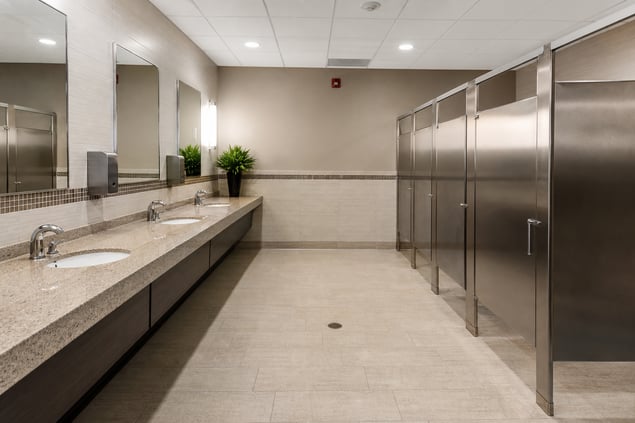
Clean facilities can have a significant impact on a business's sales revenue. Studies have shown that customers are more likely to return to a store or establishment that is clean and well-maintained, and that cleanliness can even influence customers to spend more money.
One of the main reasons that clean facilities increase sales revenue is that they create a positive first impression. When customers walk into a store or business, their initial perception is crucial in determining whether or not they will make a purchase. A clean and well-maintained facility is more inviting and welcoming, making customers feel more comfortable and inclined to stay and shop. On the other hand, a dirty or poorly-maintained facility can make customers feel uncomfortable and less likely to spend money.

Additionally, clean facilities can help to improve the overall customer experience. Customers appreciate a store or business that is easy to navigate and that is free of clutter or debris. A clean facility is also more likely to be well-organized, which can make it easier for customers to find what they are looking for. This can reduce frustration and encourage customers to spend more time in the store, potentially resulting in more sales.
Another important benefit of clean facilities is that they can help to promote a sense of trust and credibility. Customers are more likely to trust a business that takes care of its facilities, and that is dedicated to providing a clean and safe environment. This can translate into increased customer loyalty and can lead to repeat business and positive word-of-mouth recommendations.
Finally, clean facilities can help to increase employee morale and productivity. When employees work in a clean and well-maintained facility, they are more likely to feel valued and respected. This can lead to increased job satisfaction, which can in turn lead to better customer service and more sales.
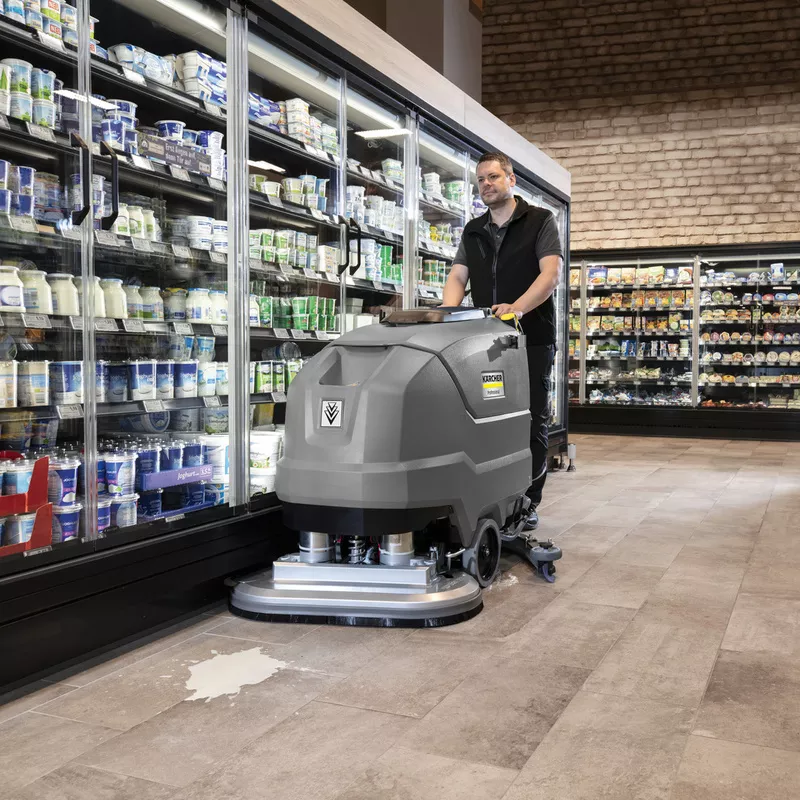
Of course, maintaining clean facilities is not always easy. It requires a dedicated effort from management and staff and can be costly. But the benefits of clean facilities far outweigh the costs. A clean facility can lead to increased customer satisfaction, higher sales, and a more positive overall business image.
In conclusion, clean facilities are crucial in increasing sales revenue. Businesses that prioritize cleanliness and maintenance of their facilities can expect to see a positive impact on their bottom line. They can create a good first impression, improve customer experience, promote trust and credibility, and increase employee morale. Maintaining clean facilities might be costly, but it's worth the investment in the long run. Businesses must create cleaning and maintenance routines to ensure their facilities are always presentable and spotless. It is only when you have a clean and inviting environment that you can expect an influx of customers and an increase in sales.
Frequently Asked Questions About How Clean Facilities Drive Sales Revenue
Why do clean facilities matter for sales revenue?
Clean facilities matter because customers often judge a business by the condition of its physical environment. A clean, well-maintained facility can create a stronger first impression, make customers feel more comfortable, and encourage them to stay longer, return more often, and spend more confidently.
Can facility cleanliness really affect customer spending?
Yes. A clean environment can influence how customers feel about a business. When a facility looks clean, organized, and well cared for, customers are more likely to trust the business and feel comfortable making a purchase. Dirty or poorly maintained spaces can create hesitation, discomfort, and lost sales opportunities.
How does cleanliness affect first impressions?
First impressions are formed quickly. Floors, restrooms, entryways, counters, walls, and other visible surfaces all contribute to how customers perceive a business. If these areas appear clean and well maintained, the facility feels more professional, credible, and inviting.
What areas of a facility have the biggest impact on customer perception?
High-visibility and high-use areas usually have the greatest impact. These include entrances, lobbies, restrooms, hallways, dining areas, retail floors, fitting rooms, checkout areas, elevators, locker rooms, and customer-facing service areas. Restrooms are especially important because customers often associate restroom cleanliness with the overall quality of the business.
How do dirty restrooms affect a business?
Dirty restrooms can create a negative impression that affects the entire customer experience. Odors, stained grout, damaged tile, dirty partitions, and worn surfaces can make customers question how well the rest of the facility is managed. In restaurants, retail, hospitality, healthcare, and education, restroom condition can strongly influence trust and satisfaction.
Can a cleaner facility increase repeat business?
Yes. Customers are more likely to return to a business that feels clean, safe, organized, and professionally maintained. A consistently clean facility helps build confidence, encourages loyalty, and supports positive word-of-mouth recommendations.
How does cleanliness build trust with customers?
Cleanliness shows that a business pays attention to detail and cares about the customer experience. When customers see clean floors, restrooms, and public areas, they are more likely to believe the business is responsible, professional, and committed to quality.
Does facility cleanliness affect online reviews?
Yes. Customers often mention cleanliness in reviews, especially for restaurants, hotels, retail stores, gyms, healthcare facilities, schools, and public-facing businesses. Clean facilities can help support positive reviews, while dirty or neglected spaces can lead to complaints that damage reputation and revenue.
How can clean facilities improve employee morale?
Employees are more likely to feel valued and motivated when they work in a clean, well-maintained environment. A cleaner workplace can improve pride, productivity, customer service, and overall job satisfaction, all of which can contribute to better customer experiences.
Can facility maintenance impact brand image?
Yes. The condition of a facility reflects the brand. Even strong products or services can be undermined by dirty floors, stained grout, odors, deteriorated surfaces, or poorly maintained restrooms. Clean facilities reinforce professionalism and help protect the brand’s reputation.
Why are floors so important to facility cleanliness?
Floors are one of the largest and most visible surfaces in any building. Dirty, stained, slippery, or deteriorated floors can make an entire facility feel neglected. Clean, restored, and properly maintained floors help create a better customer experience and a more professional appearance.
Why do tile and grout surfaces become difficult to keep clean?
Tile and grout surfaces can become difficult to maintain when grout lines absorb moisture, soils, bacteria, cleaning chemicals, and odors. Over time, routine cleaning may no longer be enough to remove embedded discoloration or contamination. This can make the facility look dirty even when staff clean it regularly.
What is the difference between cleaning and restoration?
Cleaning removes surface-level soil and debris. Restoration addresses deeper problems such as stained grout, embedded odors, worn coatings, damaged surfaces, discoloration, and difficult-to-clean hard surfaces. When routine cleaning no longer produces the desired result, restoration may be the better solution.
Can restoring hard surfaces help improve revenue?
Restoring hard surfaces can support revenue by improving how customers perceive the facility. Clean, bright, well-maintained floors and restrooms can improve comfort, trust, customer satisfaction, and brand reputation. For businesses that depend on foot traffic, repeat visits, and positive reviews, the condition of the facility can directly affect performance.
Is facility restoration more cost-effective than replacement?
In many cases, yes. If tile, grout, concrete, or other hard surfaces are structurally sound, restoration may be faster, less disruptive, and more cost-effective than demolition and replacement. Restoration can improve appearance and cleanability while helping extend the life of existing surfaces.
What types of businesses benefit most from cleaner facilities?
Restaurants, hotels, schools, universities, healthcare facilities, retail stores, fitness centers, entertainment venues, office buildings, government facilities, and property management groups can all benefit from cleaner facilities. Any business that serves customers, tenants, patients, students, guests, or employees can benefit from a clean and well-maintained environment.
How often should businesses evaluate facility cleanliness?
Businesses should evaluate facility cleanliness regularly, especially in high-traffic and customer-facing areas. Restrooms, floors, entryways, and service areas should be inspected frequently to identify stains, odors, damaged surfaces, slip concerns, and maintenance problems before they affect the customer experience.
How can SaniGLAZE help businesses create cleaner facilities?
SaniGLAZE helps commercial facilities restore, protect, and extend the life of existing tile, grout, concrete, restroom surfaces, locker rooms, showers, and other hard surfaces. By improving appearance, cleanability, odor control, and long-term maintainability, SaniGLAZE service providers help businesses create cleaner, more professional environments without the disruption of full replacement.
Why should facility cleanliness be treated as a revenue strategy?
Facility cleanliness is not just a maintenance issue. It affects customer perception, trust, comfort, employee morale, reviews, repeat business, and brand reputation. When a facility looks clean and well cared for, customers are more likely to feel confident doing business there.