
 Schedule a Consultation!
When you think about facility care, "clean" is often the benchmark. But in today's high-traffic environments, clean isn't always enough. True facility performance comes from surfaces that not only look refreshed but are also sealed, protected, and safer for visitors, clients, staff, and tenants.
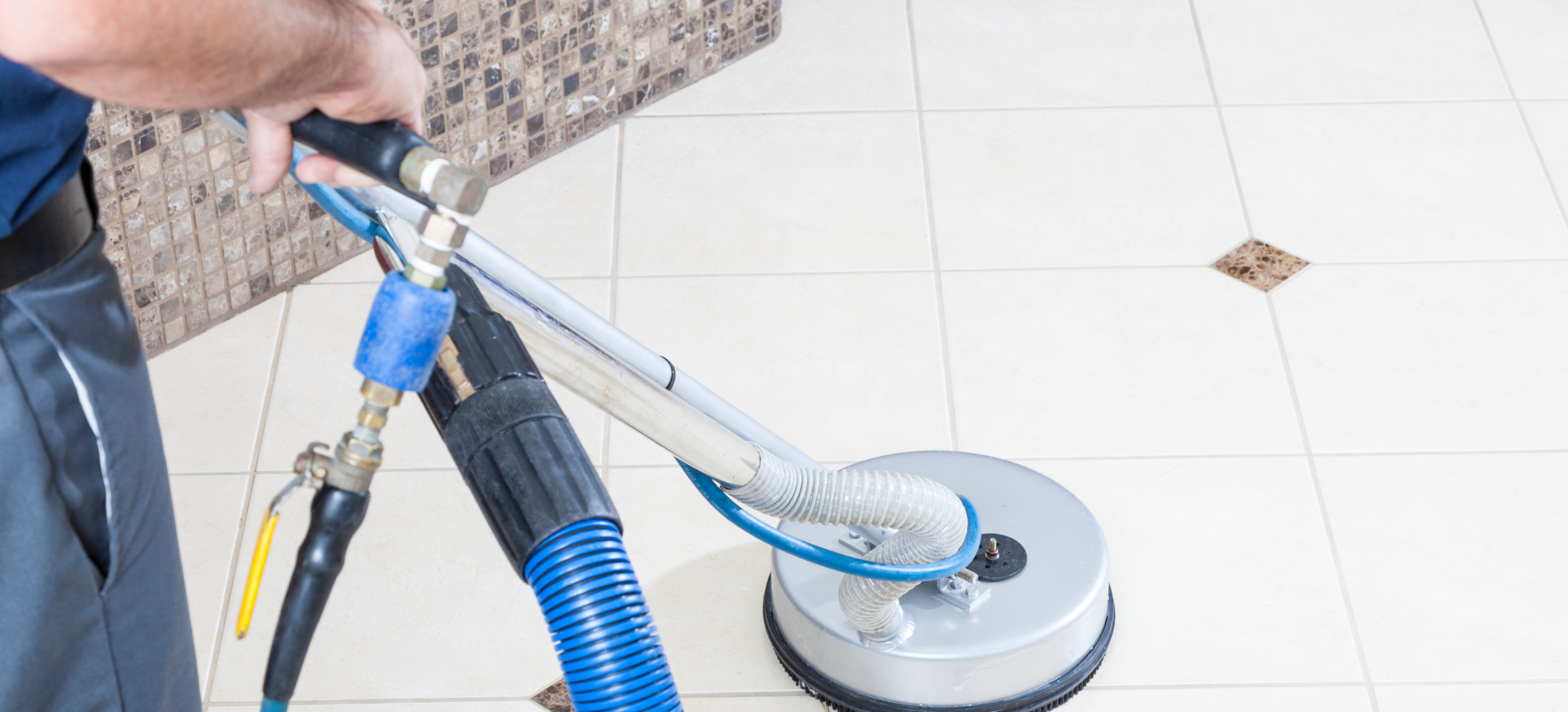
"Clean" Isn't Always Enough
Daily janitorial services do a great job handling surface-level dirt and grime. Yet in porous tile and grout, contaminants seep deeper than a mop can reach. Over time, this creates hidden risks:
- Bacterial growth: Grout absorbs moisture, becoming a breeding ground for bacteria and mold.
- Slip-and-fall hazards: Worn or damaged surfaces lose traction, putting staff and visitors at risk.
- Lingering odors and stains: Even after routine cleaning, surfaces can appear unkempt and unsanitary.
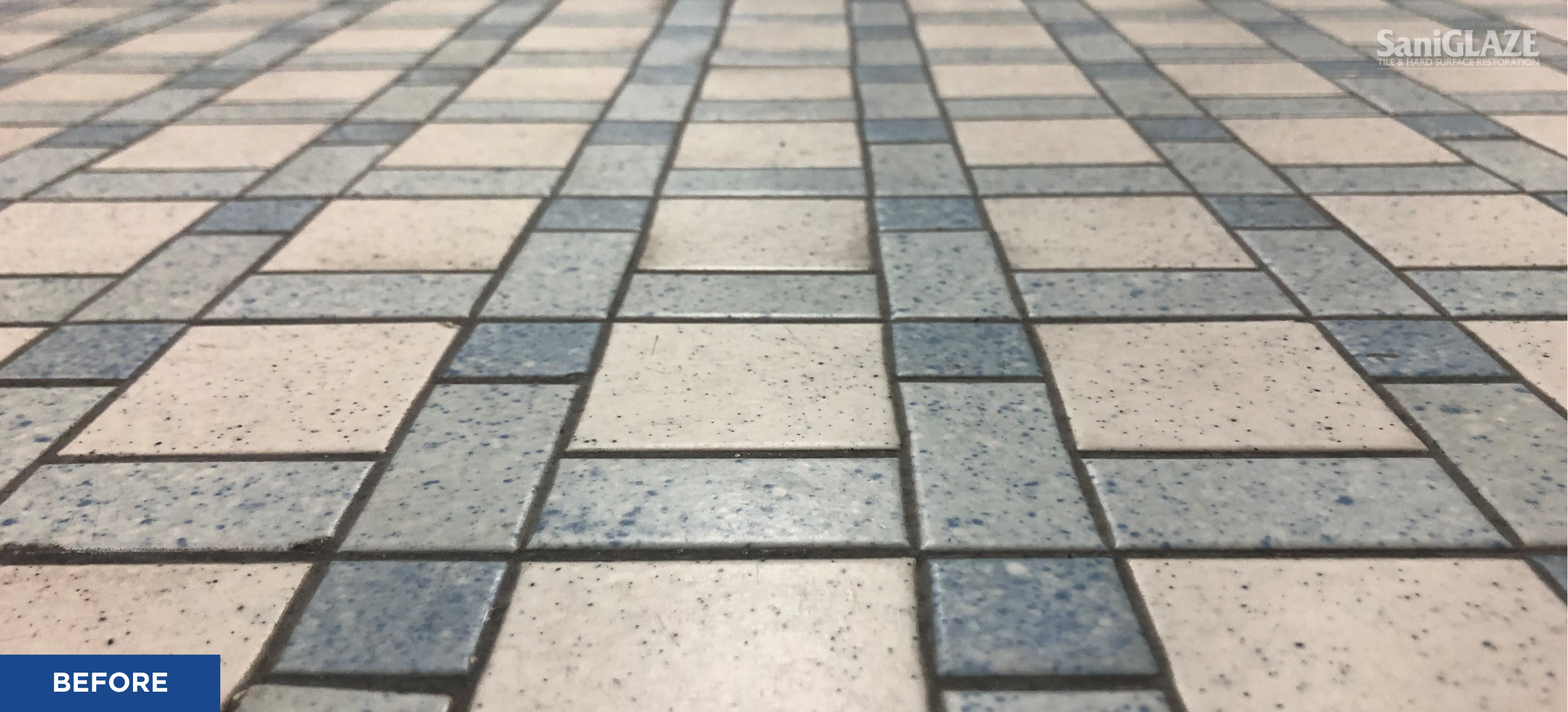
What appears “clean” on the surface can still compromise safety, health, and your facility’s reputation.
Beyond Aesthetics - Why Protection Matters
Restoration is different from cleaning. SaniGLAZE’s process goes beyond a surface refresh to create a lasting protective shield.
- Sealed grout and tile: Our bonding technology eliminates microscopic pores where contaminants hide.
- Barrier against moisture: Surfaces become resistant to water and mold, reducing long-term damage.
- Cleaner for longer: Sealed, restored surfaces resist staining and remain easier to maintain.
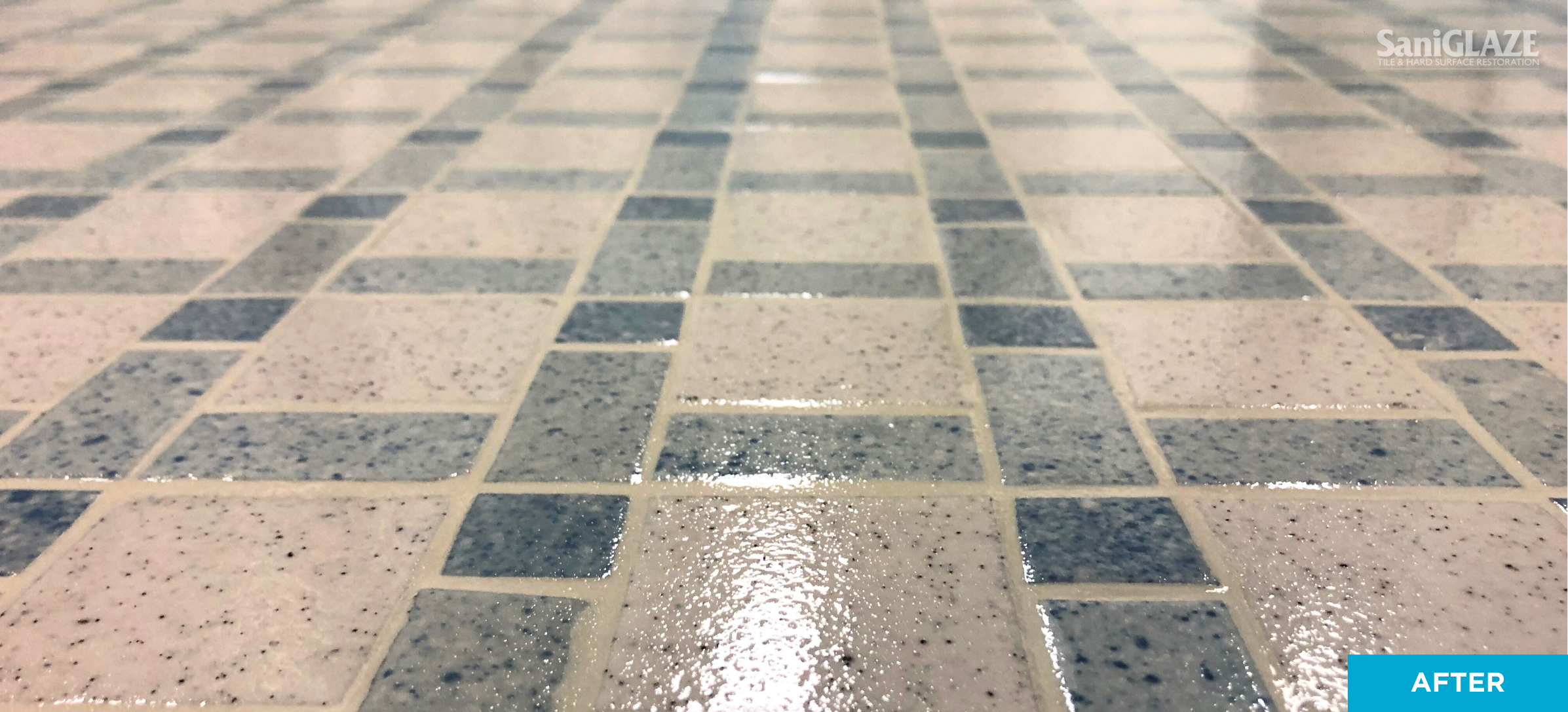
The result? Surfaces that look renewed and perform at a higher standard of safety and hygiene.
How Health and Safety Align with Facility Goals
For facility managers, health and safety are only part of the equation. Restoration impacts the bigger picture:
- Operational efficiency: Restoration requires minimal downtime compared to full replacement, reducing disruption for staff and occupants.
- Budget protection: At 50–60% less than replacement, restoration delivers measurable ROI while freeing funds for other priorities.
- Brand perception: A facility that feels safe, clean, and well-maintained instills confidence in tenants, patients, and visitors.
Restoration creates healthier spaces while strengthening the long-term value of your property.
Real-World Results
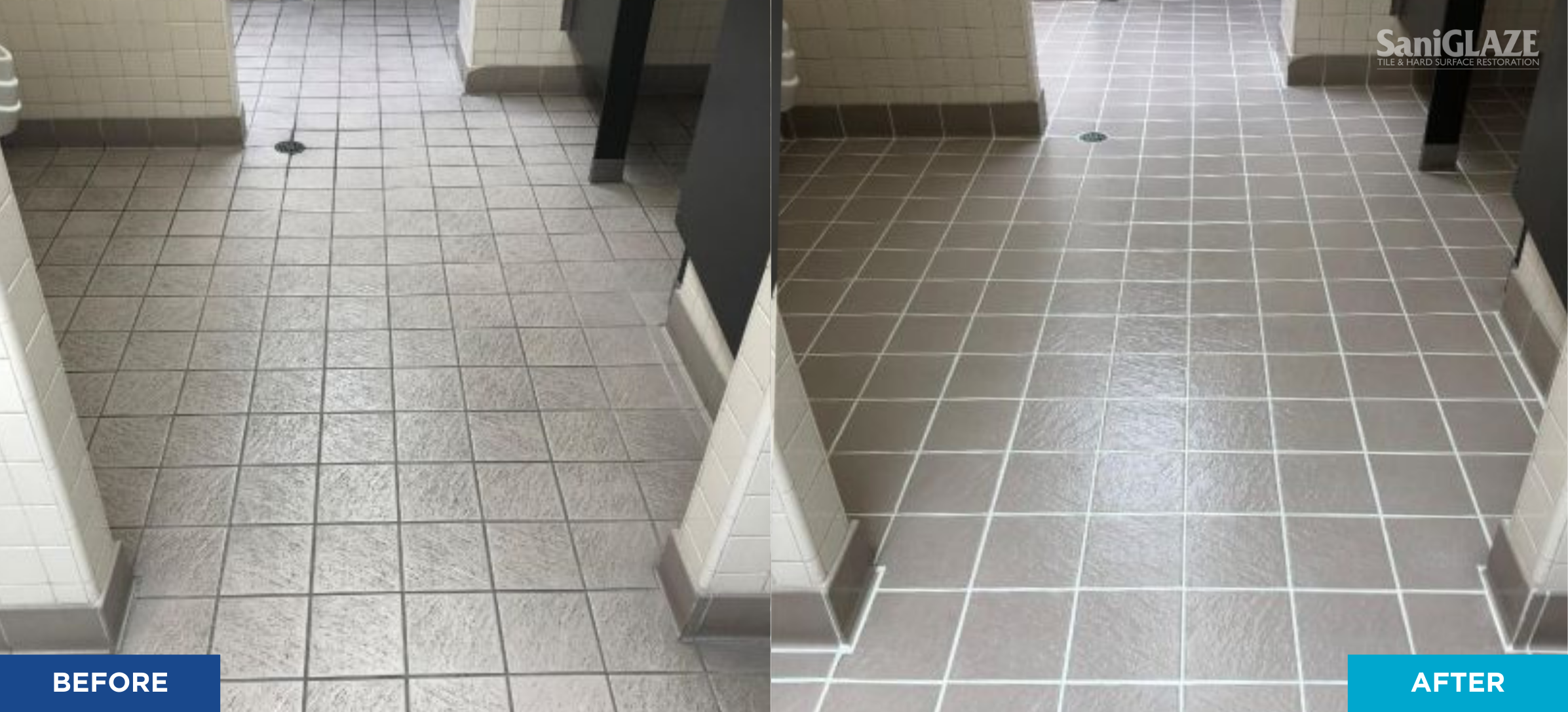
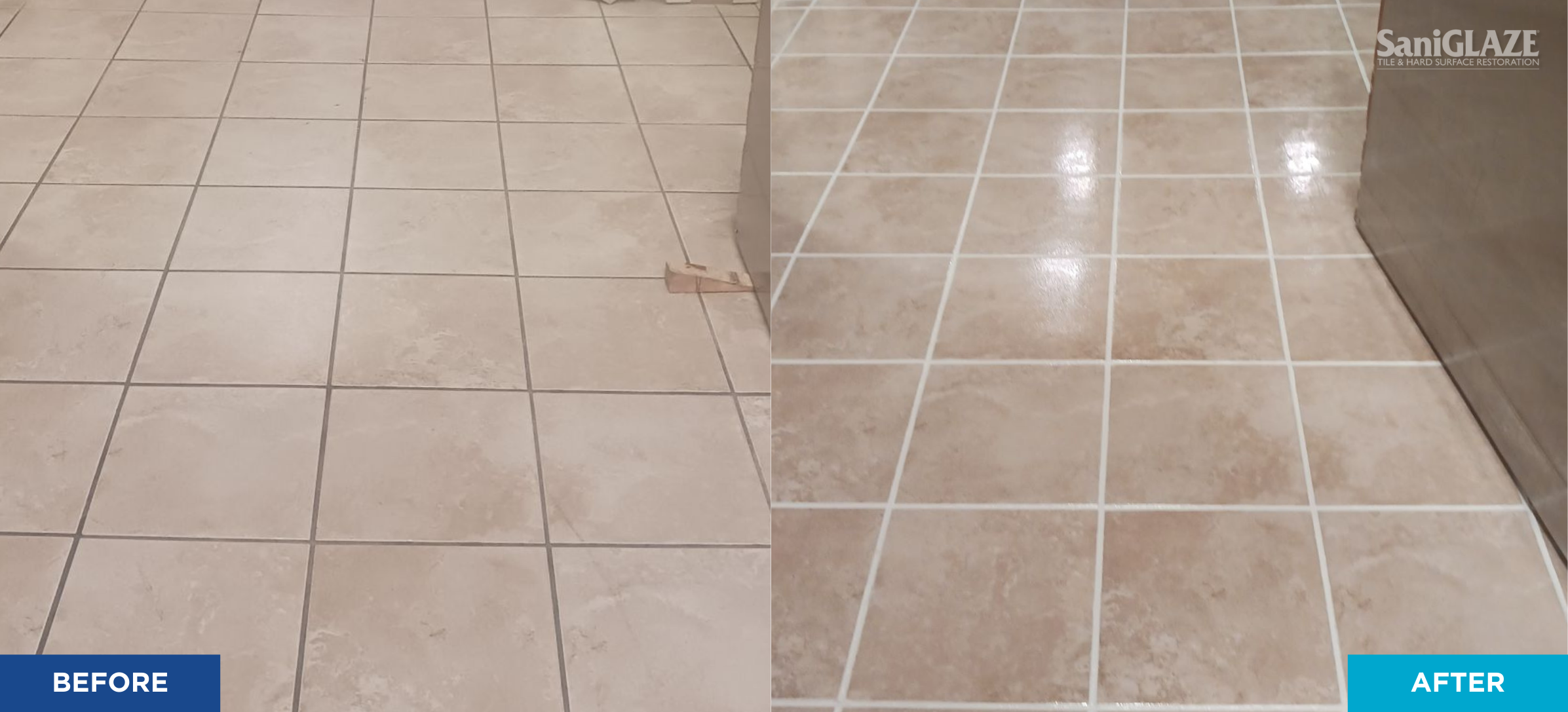
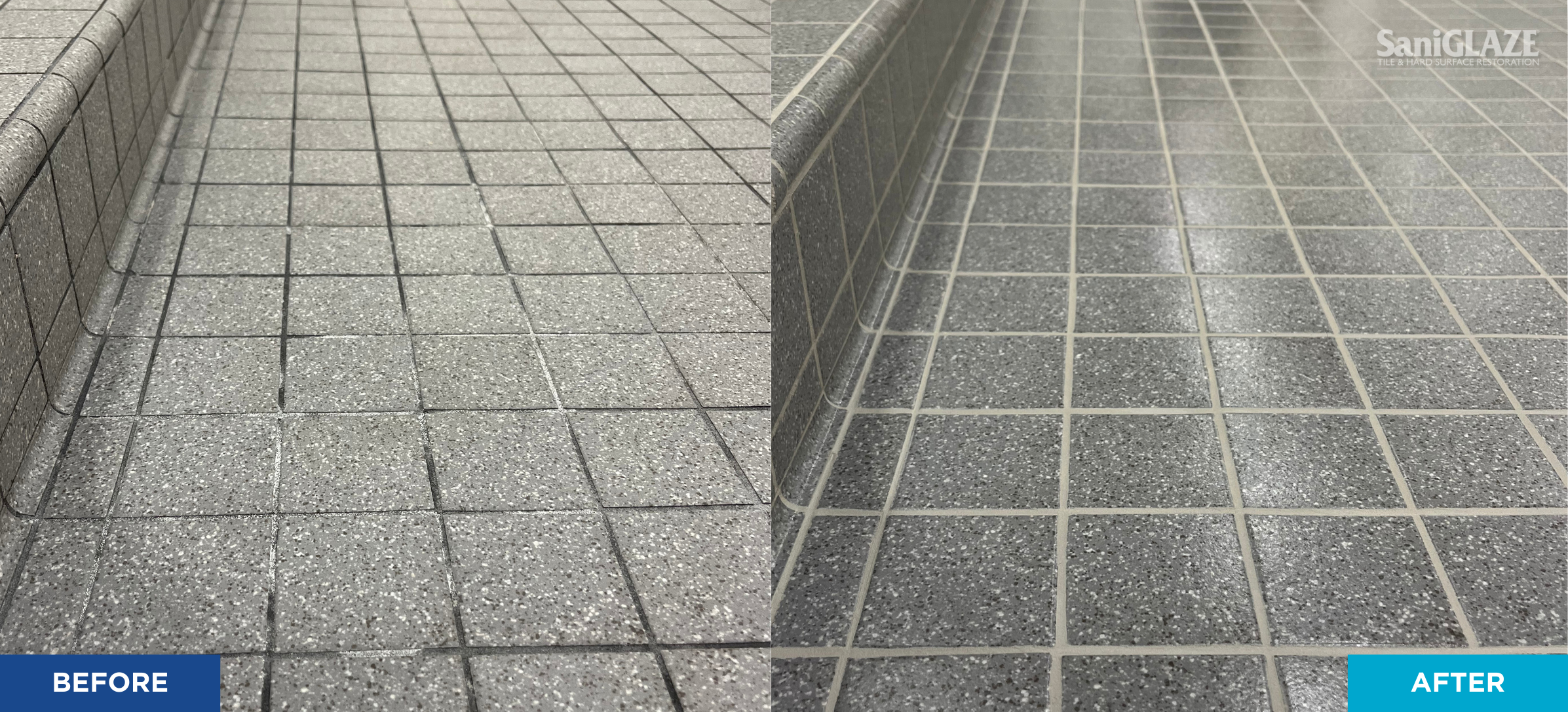
More Than Just Cleaning
In today’s environment, “clean” is the starting point. Facilities must deliver spaces that are safe, sanitary, and long-lasting. Restoration makes that possible — creating surfaces that perform better, last longer, and protect the health of everyone who enters.
Don’t replace. Restore. Schedule a no-cost consultation today and see how SaniGLAZE delivers performance you can see and protection you can trust.
Frequently Asked Questions About How Restoration Creates Healthier, Safer Facilities
Why is cleaning alone not always enough for commercial tile and grout?
Cleaning alone is not always enough because porous tile and grout can absorb moisture, contaminants, bacteria, cleaning residues, odors, and stains below the surface. Routine janitorial work may remove visible dirt, but it often cannot fully address embedded contamination inside worn grout lines or porous hard surfaces.
What does “beyond clean” mean for facility maintenance?
“Beyond clean” means moving past surface appearance and focusing on long-term surface performance, sanitation, safety, and protection. A floor or wall may look clean after mopping, but if the grout remains porous, stained, slippery, or difficult to sanitize, the facility may still have hidden maintenance and hygiene risks.
How can porous grout affect facility health and safety?
Porous grout can absorb moisture and contaminants, creating conditions where bacteria, mold, odors, and stains can develop. Over time, this can make restrooms, locker rooms, showers, kitchens, healthcare spaces, and other high-use areas harder to maintain and less appealing to occupants.
Can worn tile and grout create slip-and-fall risks?
Yes. Worn, damaged, contaminated, or improperly maintained hard surfaces can lose traction and contribute to slip-and-fall hazards. Moisture, cleaning residue, surface wear, damaged grout, and smooth or deteriorated coatings can all affect floor safety.
How is restoration different from routine cleaning?
Routine cleaning removes surface-level soil. Restoration goes further by addressing embedded contamination, worn grout, surface porosity, staining, odor issues, and long-term protection. SaniGLAZE restoration can include deep cleaning, grout restoration, and a protective shield that helps prevent contaminants from re-entering the surface.
How does SaniGLAZE restoration help create healthier facilities?
SaniGLAZE restoration helps create healthier facilities by sealing and protecting tile and grout surfaces so moisture, bacteria, mold, dirt, and contaminants have fewer places to hide. Restored surfaces are easier to clean and can support better long-term sanitation in high-traffic commercial environments.
What does the protective surface shield do?
The protective surface shield helps close microscopic pores in grout and tile where contaminants can collect. By creating a sealed, more maintainable surface, it helps resist moisture, staining, odors, and long-term deterioration.
Does restoration help surfaces stay cleaner longer?
Yes. Restored and sealed surfaces are easier to maintain because dirt, moisture, and contaminants are less likely to penetrate into porous grout or worn surfaces. This helps routine cleaning become more effective and helps facilities maintain a cleaner appearance between maintenance cycles.
Can restoration help reduce odors in restrooms and locker rooms?
Yes. Persistent odors often come from moisture, bacteria, and contaminants trapped in porous grout or worn hard surfaces. By deep cleaning, restoring, and sealing the surface, SaniGLAZE can help reduce odor sources rather than simply masking odors with cleaning products or fragrances.
How does restoration support facility reputation?
A facility that looks clean, smells clean, and feels safe helps build confidence with visitors, tenants, patients, students, staff, and customers. Restored tile and grout can improve the overall perception of cleanliness and professionalism, especially in public-facing spaces.
What types of facilities benefit from restoration?
Facilities that benefit from restoration include hospitals, schools, universities, commercial restrooms, locker rooms, showers, fitness centers, hospitality properties, government buildings, transportation facilities, food service areas, and high-traffic commercial spaces.
Is restoration less disruptive than full replacement?
Yes. Restoration is typically less disruptive than demolition and replacement because existing surfaces can often remain in place. This can reduce dust, noise, debris, shutdown time, occupant disruption, and scheduling complications.
How can restoration protect maintenance budgets?
Restoration can protect maintenance budgets by extending the life of existing surfaces and reducing the need for full replacement. The article notes that restoration can cost 50–60% less than replacement, which can free budget for other facility priorities.
Does restoration replace regular cleaning?
No. Restoration does not eliminate the need for routine cleaning. Instead, it makes routine cleaning more effective by creating a sealed and protected surface that is easier to maintain over time.
When is replacement still necessary?
Replacement may be necessary when tile is loose, the substrate is failing, moisture damage is severe, surfaces are structurally compromised, or large areas are broken beyond practical repair. A professional evaluation can determine whether restoration or replacement is the better long-term option.
How do I know if my facility needs restoration instead of more cleaning?
Signs that restoration may be needed include grout that remains dark after cleaning, recurring odors, persistent stains, slippery areas, cracked or missing grout, moisture absorption, mold concerns, and surfaces that look dirty again shortly after routine maintenance.
How does a SaniGLAZE consultation help?
A SaniGLAZE consultation helps identify whether the issue is surface-level dirt, embedded contamination, worn grout, moisture intrusion, coating failure, or a deeper structural problem. From there, a Service Provider can recommend the right restoration process for the facility’s health, safety, budget, and downtime requirements.